
Is Honey Halal?
Yes — this one is Halal.
Pure honey is Halal by explicit Quranic mention and scholarly consensus.
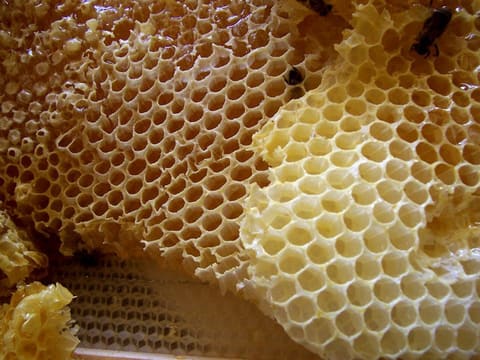
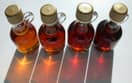
Photo: Merdal at Turkish Wikipedia · CC BY-SA 3.0
What decides the answer
-
Pure honey (single ingredient)
Halal -
Honey blends with alcohol flavourings or non-Halal additives: judge the finished product
-
Infant botulism guidance is a health issue, not a Halal status change
Where you'll find it
- Natural sweetener in tea, baking, and desserts
- Glazes and marinades
- Honey in yogurt, cereal, and breakfast foods
- Traditional remedies and throat soothers
- Ingredient in cereals, bars, and confectionery
Why this ruling
Honey is nectar that honeybees collect, transform, and store as a concentrated sweet food. In Islamic dietary law it is one of the clearest Halal items in the kitchen: the Quran itself names it, scholars across the schools treat pure honey as permissible, and everyday practice from Medina to modern Muslim markets has never treated honey as doubtful the way gelatin or wine vinegar can be.
Textual primary evidence
Surah An-Nahl (“The Bee”), verses 68–69, describes how the bee is inspired to take homes in mountains and trees, then: a drink of varying colours comes forth from their bellies, “wherein is healing for people”. An accessible English rendering of 16:69 is published on NobleQuran.com’s Surah An-Nahl translation (retrieved 20 July 2026). That scriptural framing is why “is honey Halal?” is not a modern internet puzzle—it is settled doctrine that pure honey is Halal and wholesome.
Codex and food-standards bodies define honey as the natural sweet substance produced by Apis mellifera bees from the nectar of plants (or from secretions of living parts of plants). The FAO/WHO Codex Standard for Honey (CXS 12-1981) is the international identity reference used by regulators when they police adulteration with sugar syrups (FAO Codex honey standard overview via FAO, retrieved 20 July 2026). Those identity rules matter for authenticity, not for inventing a new Halal problem: if the jar is genuine honey, it is Halal; if it is mostly glucose syrup, you have a fraud/quality issue.
Distinctions that actually matter
Pure honey vs honey products. A jar labelled only “honey” is Halal. Honey yogurt, honey cereal bars, or honey candies can still contain gelatin, emulsifiers, or alcohol flavourings—judge those finished goods by their full formulas.
Raw vs filtered vs pasteurized. Processing style changes clarity and pollen content, not Halal status. “Raw” is a marketing and nutrition conversation, not a fiqh fork.
Mead and honey spirits. Fermenting honey into an intoxicating drink (mead) produces khamr. The honey was Halal; the beverage is Haram. Do not confuse cooking with a spoon of honey and drinking fermented honey wine.
Infant feeding. Public-health agencies advise against giving honey to infants under one year because of botulism risk. That is medical guidance, not a change from Halal to Haram for adults.
Markets and adulteration
Honey is traded globally—from clover and orange-blossom jars in North America to sidr and mountain honeys in the Gulf, to Manuka from New Zealand. Import markets sometimes face syrup adulteration scandals. Halal certification on honey is optional reassurance about supply-chain integrity; it is not required to make pure honey permissible. When shopping in any jurisdiction, single-ingredient labelling plus a trusted seller beats viral claims that “Western honey is Haram.”
Realistic verification
- Read the ingredient list: “honey” alone is enough.
- Skip mead, honey liqueurs, and cocktails.
- For honey-flavoured snacks, verify gelatin, alcohol, and emulsifiers separately.
- If authenticity matters to you, prefer brands with laboratory or Halal-quality auditing—not because honey needs a fatwa, but because fraud exists.
How to verify
- Buy pure honey (single-ingredient).
- Read labels for added flavours, alcohol-based extracts, or non-Halal confectionery coatings in honey products.
- For processed honey snacks or honey-flavoured foods, verify co-ingredients—not the honey itself.
Frequently asked questions
Is honey Halal even though bees are insects?
Is Manuka or other speciality honey Halal?
What about honey in mead or honey wine?
Can Muslims eat honey that may contain tiny bee parts?
Is honey from non-Muslim beekeepers Halal?
Scholarly view
Surah An-Nahl (16:68–69) describes honey as a drink of varying colours in which there is healing for people. Classical and contemporary scholars treat pure honey as Halal without conditions. Bees are not slaughtered animals; the product is nectar transformed by the bee.
Concerns that arise in practice are adulteration (syrups passed off as honey), alcohol in flavoured honey drinks, and non-Halal co-ingredients in honey-coated snacks—not the permissibility of honey itself.
Quranic guidance
-
Surah An-Nahl 16:69
"There comes forth from their bellies a drink of varying colours, wherein is healing for people. Indeed in that is a sign for a people who give thought."
Sources
Named Islamic, certifier, manufacturer, and regulatory sources used on this page. Inline markers like [1] jump here. Retrieval dates show when we last checked the live URL. Editorial methodology.
Islamic / scriptural
-
Retrieved
-
Qur’anic text Retrieved
There comes forth from their bellies a drink of varying colours, wherein is healing for people. Indeed in that is a sign for a people who give thought.
Regulatory / labelling
-
Retrieved