



Islamic foundations
Clear principles are grounded in recognised Islamic sources.
Search a food, ingredient, E-number or brand, or scan the label on the pack. Every answer shows why, with its sources.
Scan a labelEvery food is grouped into one of five categories, with the reason and the sources behind it.
Tap one to see an example
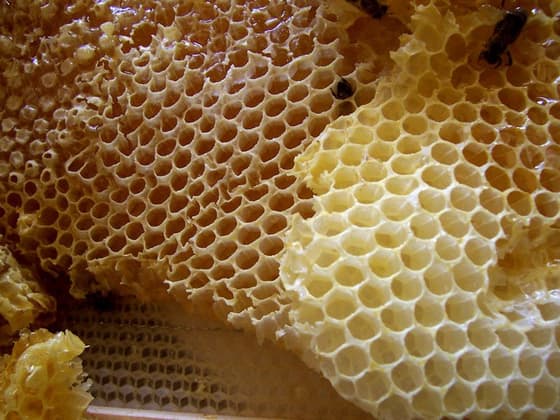
HoneyFood
Status
Halal
Pure honey is Halal by Quranic mention and scholarly consensus. Buy it as a single ingredient.
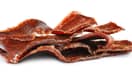
View full analysis →BaconMeat
Status
Haram
Traditional bacon is pork. Beef or turkey “bacon” needs Halal slaughter and certification.
View full analysis →E471Food additive
Status
Halal if verified
May be made from vegetable oil or animal fat. Check the manufacturer, vegan status or Halal certification.
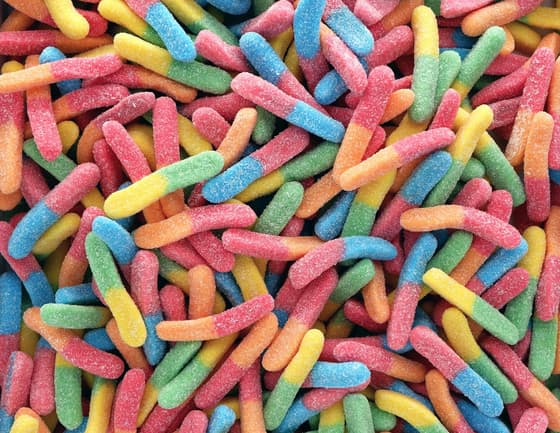
View full analysis →HariboBrand
Status
Market-dependent
Many standard fruit gums use pork gelatin; Halal lines use beef gelatin. Check the country and gelatin line on your bag.
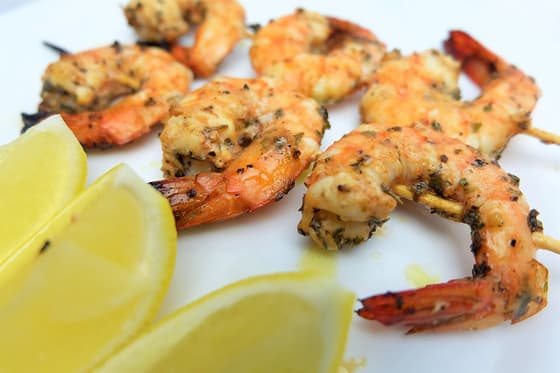
View full analysis →ShrimpSeafood
Status
Scholarly difference
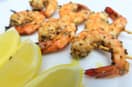
Permitted by many scholars, while many Hanafi authorities do not treat shrimp as fish. The ruling follows your school.
View full analysis →1 / 5
Swipe for another verdict
Gelatin, rennet, whey, enzymes and other source-sensitive ingredients.
Check whether an additive is plant-based, synthetic, animal-derived or source-dependent.
See product- and country-specific information for well-known brands.
Understand slaughter, casing, stock and preparation requirements.
Check traditional foods and common preparation concerns by region.
Gelatin, carmine, shellac and alcohol-based flavourings in sweets, jellies and desserts.
Type the food, ingredient, E-number or brand as written on the pack or menu.
The status is the headline; the reason says what it depends on.
Check your exact pack, outlet and country, and any Halal mark.
A few foods are clear-cut: pork is Haram, fresh fruit and vegetables are Halal. Most packaged food isn't. The same product can go either way on a single detail: the fat it uses, the rennet, the factory, or the country it's made for.
Clear principles are grounded in recognised Islamic sources.
Certification is assessed by product, facility and market.
Official ingredients and product statements help establish what is actually sold.
Label definitions help explain additives and production terminology.
May be fish, bovine, porcine or another animal source. Species alone is not always enough.
Mono- and diglycerides can come from plants or animals. The code does not reveal the origin.
Microbial enzymes and animal rennet lead to different checks.
Broad label terms may hide alcohol carriers or meat-derived notes.
Permissible species still need slaughter, casing, stock and supplier checks.
Source and processing often decide whether the finished ingredient is Halal.
Check unfamiliar ingredients and E‑numbers before they go in the trolley.
Ask where the meat comes from; certification can differ by branch.
The same brand can have a different recipe or certificate abroad.
Open the scanner How the Halal scanner works Install it as an app
Big chains give different answers in different countries. See each one's Halal status market by market, plus local restaurants with what their claim covers.
McDonald's Halal status by country
KFC Halal status by country
Each recipe swaps out the pork, alcohol or gelatin, and says which labels to check.
Yes. International brands may use different factories, suppliers, recipes and certification bodies. Check the market-specific evidence for the product sold where you are.
Not necessarily. Vegetarian products exclude meat, but they may still contain alcohol, alcohol-based flavouring or other ingredients that need a separate Halal assessment. Vegetarian labelling can help, but it is not Halal certification.
No. Many additives are plant-based, mineral, microbial or synthetic and are generally permissible. Others depend on their source. Search the exact E-number rather than treating every code as suspicious.
The site does not use one slogan for every country and scholarly approach. When slaughter is not publicly verified, the practical status is usually “Halal if verified”, with a prompt to check the supplier or a trusted certifier.
No. The site publishes researched informational guidance. It is not a Halal certification body and does not replace a qualified local scholar, certifier or the evidence on the product itself.



.jpg)

