
Halal-conscious recipe
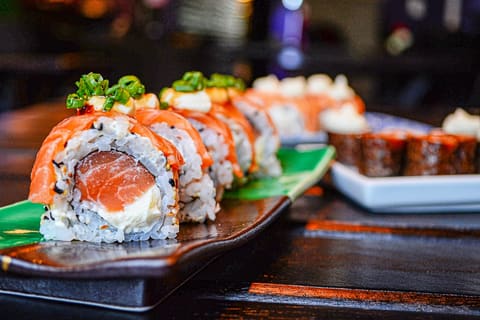
Mirin-free sushi platter
Sushi rice seasoned with vinegar, sugar, and salt — no mirin — plus fish, soy, wasabi, and surimi cautions.
Each method follows published technique for the dish, and every Halal substitution is checked against the ingredient pages we cite. Photographs come from our ingredient library rather than the finished dish.
Why Halal checks matter here
Rice seasoning and glazes often use mirin; soy may include added alcohol; surimi binders and shellfish are extra checks; mixed boards cause cross-contact.
Sushi is a preparation, not a certificate. This platter uses mirin-free sushi-zu, plain fish or vegetables, and a soy bottle you have actually read. It does not make conveyor-belt sushi Halal. See sushi, soy sauce, fish, and the scholarly-difference pages for shrimp and shellfish.
Halal-critical ingredients
- Rice seasoning Many home and restaurant recipes add mirin to sushi-zu; bottled ‘sushi vinegar’ may include it. Vinegar, sugar, salt only, unless the bottle lists no alcohol.
- Soy sauce Some SKUs add alcohol or wine. Naturally brewed, no added spirit, or Halal-certified. See Soy sauce.
- Surimi, eel, shellfish Binders, wine glazes, and madhhab differences. Fish or vegetable pieces on this platter; follow your school on prawns. See Shrimp and Shellfish (scholarly difference).
- Cross-contact Shared boards with pork or eel sauce. Dedicated knife and board at home; ask in restaurants.
Safe substitutes
- Mirin in sushi-zu → Rice vinegar plus sugar and salt
- California roll / surimi → Cucumber, avocado, or plain salmon maki
- Unagi sauce → Nothing — skip eel
- Added-alcohol soy → A short-ingredient brewed soy or a Halal-certified bottle
Allergens
fish, soy, gluten (if using wheat soy sauce), sesame (if using sesame seeds)
Ingredients
Sushi rice (no mirin)
- 400 g (2 cups uncooked) Japanese short-grain rice, rinsed until the water runs almost clear
- 440 ml (1¾ cups plus 1 tbsp) water, for cooking
- 50 ml (3 tbsp plus 1 tsp) rice vinegar (not ‘seasoned sushi vinegar’ until you read the label)
- 20 g (1½ tbsp) caster sugar
- 6 g (1 tsp) fine salt
Fish and vegetables
- 300 g (10 oz) sushi-grade salmon or tuna, from a supplier that documents freezing/parasite control
- 150 g (1 small) cucumber, cut into batons
- 150 g (1 medium) ripe avocado, sliced
- 10 g (5 sheets) nori sheets
Condiments
- 60 ml (4 tbsp) naturally brewed soy sauce with no added alcohol, mirin, or wine
- 15 g (1 tbsp) wasabi paste — horseradish/mustard/spirulina mixes are common; read colourings
- 40 g (3 tbsp) pickled ginger without carmine if you avoid insect red
Method
- Cook the rice. Soak rinsed rice 20 minutes, then cook with the measured water (rice cooker or 12 minutes simmer, 10 minutes rest off the heat). Turn out into a wide tub.
- Season without mirin. Warm vinegar, sugar, and salt only until dissolved — this is sushi-zu. Do not add mirin, sake, or ‘seasoned vinegar’ that lists alcohol. Fan and fold the dressing into the hot rice until glossy and cooled to body temperature.
- Fish. Slice salmon or tuna against the grain for nigiri. Fish does not require zabiha; freshness and freezing standards are food-safety, not a Halal certificate. Skip eel (unagi sauces are typically wine-based) and skip shellfish if your school restricts them — see [Shrimp](/food/shrimp/) and [Shellfish](/food/shellfish/).
- Skip unverified surimi. Imitation crab (surimi) often includes crab extract, binders, sugar, and sometimes mirin or egg. Do not put it on this platter unless the pack is Halal-certified or the list is plant-and-fish only with no alcohol. Vegetable maki replaces California rolls.
- Form. For nigiri, shape 15 g rice and drape 10–12 g fish. For maki, spread rice on nori, add cucumber or avocado, and roll. Keep a clean board: do not share knives with non-Halal meat.
- Soy and wasabi. Serve a soy sauce you have read. Wasabi in tubes is usually horseradish, mustard, and colour — check for carmine. Real wasabi stem is plant and fine. See Soy sauce and Sushi.
How this recipe was researched
Method specified editorially from standard sushi-zu (rice vinegar, sugar, salt) technique and this site's Sushi, Soy sauce, Fish, Shrimp, and Shellfish pages. Timings follow published technique rather than a kitchen test.
Technique and ingredient sources
-
Sushi rice — Just One Cookbook
— Just One Cookbook
Retrieved:
Rinse, cook, and vinegar-season Japanese rice. Some published sushi-zu recipes add mirin; this page uses the vinegar-sugar-salt core only.
-
Sushi analysis — isithalal.food
— isithalal.food
Retrieved:
Fish versus shellfish, mirin, soy, and restaurant practice.
-
Fish analysis — isithalal.food
— isithalal.food
Retrieved:
Species and additive checks around fish.