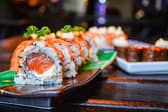

Is Soy Sauce Halal?
It depends on what the label says.
Naturally brewed soy sauce is soybeans, grain, salt, and Aspergillus fermentation—plant ingredients that are Halal.
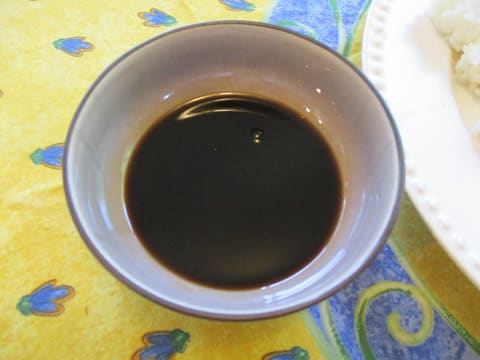
Photo: Bodhi Peace · CC BY-SA 4.0
How to verify
- Prefer naturally brewed soy sauce with no ‘alcohol,’ ‘mirin,’ or ‘wine’ in the ingredients.
- Choose Halal-certified soy sauce when available (common in Malaysia, Indonesia, and Gulf imports).
- Do not use Japanese honjozo-style soy sauces that intentionally add spirit.
- Treat teriyaki, ponzu, and eel sauces as separate products—they often contain mirin or wine.
What decides the answer
-
Naturally brewed soy sauce without added alcohol
widely treated as Halal -
Added alcohol / mirin / wine
avoid -
Halal-certified soy sauce
clearest option -
Teriyaki, ponzu, and cooking wines
verify separately
Why this ruling
Soy sauce (shoyu) is a salty, umami liquid made by fermenting soybeans and grain with koji molds (Aspergillus oryzae / A. sojae), brine, and time—or by faster acid-hydrolysis shortcuts sold as chemically produced soy sauce. It seasons East Asian cooking worldwide. The Halal question is rarely “are soybeans Halal?”—they are—but whether this bottle added alcohol and whether you require a certifier’s audit of the ferment.
Brewed vs added alcohol
Traditional brewing naturally generates small amounts of ethanol as yeast and microbes work the mash. Major manufacturers describe naturally brewed soy sauce as a fermentation product of soy, wheat, water, and salt (see e.g. Kikkoman’s public education on natural brewing at kikkoman.com / regional “how soy sauce is made” pages, retrieved 20 July 2026). That process is not the same as dosing the bottle with drinking spirit.
| Product type | Typical Halal read |
|---|---|
| Naturally brewed, no alcohol listed | Widely accepted; site still Halal if verified without cert if you demand marks |
| Brewed + added alcohol / mirin | Avoid |
| Halal-certified soy sauce | Halal for that certificate |
| Teriyaki / ponzu / “cooking soy sauce” with wine | Separate, often problematic |
Codex and national standards describe soy sauce as a fermented soy product; they do not settle Islamic rulings. U.S. and EU food labelling still require ingredient disclosure—use that panel.
Markets and certification
In Malaysia and Indonesia, bottled soy sauce frequently carries national Halal logos. Verify Malaysian products in JAKIM’s Portal Halal / MYeHALAL (retrieved 20 July 2026). Gulf imports often show ESMA or local Halal marks. In the US/UK, many pure brewed bottles have no Halal logo; consumers either accept the plant-ferment profile or buy imported certified brands.
Restaurant “soy sauce” can be a blend jug with caramel colour, MSG, and sometimes wine-based sauces on the same shelf—ask or use a bottle you trust.
Related condiments people mix up
- Mirin — sweet rice wine; not ordinary soy sauce
- Teriyaki — often soy + sugar + mirin/alcohol
- Fish sauce — different ingredient (fish), different page
- Worcestershire — anchovy + sometimes vinegar/alcohol issues
Light, dark, sweet, and “low sodium” bottles
Chinese and Japanese aisles stack many soy-sauce styles: light (saltier, thinner), dark (aged, slightly sweeter, often with molasses colour), sweet kecap manis, low-sodium brews, and wheat-free tamari. None of those colour or salt differences answer the Halal question by themselves. A dark soy can be alcohol-free and fine; a “premium” bottle can list alcohol. Always read the ingredient panel on the neck label or rear sticker—marketing words like “traditionally brewed” help but do not replace the alcohol line check.
Hotel breakfast sushi kits and grocery poke kits sometimes include soy packets with incomplete labels. When the packet only says “soy sauce” with no full list, treat it as Halal if verified and use a bottle you already verified. The same caution applies to powdered “soy sauce seasoning” sachets in noodle cups, which may include flavour enhancers unrelated to brewing ethanol.
Realistic verification
- Read ingredients for alcohol, mirin, wine, spirit.
- Prefer “naturally brewed” + Halal logo when shopping for certainty.
- Keep a marked bottle at home for sushi nights.
- Re-check flavoured soy sauces (garlic, mushroom, spicy) as new products.
Where you'll find it
- Table dipping sauce for sushi and dumplings
- Stir-fry seasoning and marinades
- Broths, fried rice, and noodle dishes
- Ingredient in teriyaki and other blended sauces
Frequently asked questions
Is regular Kikkoman-style soy sauce Halal?
Does fermentation alcohol make soy sauce Haram?
Is there Halal-certified soy sauce?
Is tamari better than shoyu for Halal?
Can I use soy sauce in cooked food if traces of ethanol remain?
Scholarly view
The core debate is ethanol: natural brewing produces small amounts that usually cook off or remain as processing remnants, which many contemporary fatwas analogise to fermented vinegar rather than khamr drunk for intoxication. Deliberately added ethyl alcohol or mirin is treated more strictly.
Chemical (‘acid-hydrolyzed’) soy sauce avoids long fermentation but may still include caramel colour and flavour additives—still read the label. Tamari and gluten-free shoyu follow the same alcohol-check logic.
Sources
Named Islamic, certifier, manufacturer, and regulatory sources used on this page. Inline markers like [1] jump here. Retrieval dates show when we last checked the live URL. Editorial methodology.
Islamic / scriptural
-
Darul Iftaa Chicago — alcohol in soy sauce
IslamQA.org (Hanafi) Retrieved
Distinguishes brewed soy sauce (typically permissible) from mirin/added intoxicants.
-
Qibla / Faraz Rabbani — alcohol via fermentation in soy sauce
IslamQA.org (Hanafi) Retrieved
Incidental fermentation alcohol in soy sauce not treated as intoxicant use.
Certifier / jurisdiction
-
Retrieved
Manufacturer / product
-
Retrieved
-
Kikkoman — how soy sauce is made
Kikkoman Retrieved
Manufacturer process education for naturally brewed soy sauce (verify your product label).
People also check
Related ingredients and products for this item.
Halal-conscious recipes
A substitution-led recipe that uses this analysis.
Browse this topic
Open the parent category hub for more foods in the same group.