

Topic hub
Alcohol & drinks
Intoxicating drinks are Haram. This hub also covers edge cases people ask about often: vinegars, vanilla extract, kombucha, non-alcoholic beer, and flavourings where residual alcohol or fermentation method matters.
- Avoid drinks meant to intoxicate. For vinegars and extracts, check whether alcohol remains as an intoxicant or was fully converted
- When labels are unclear, choose certified or clearly alcohol-free options
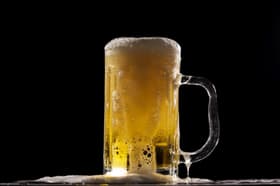
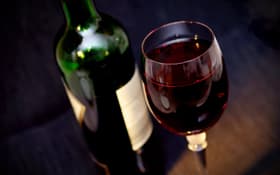
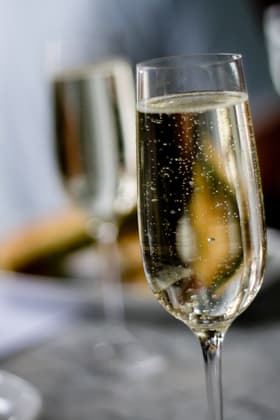
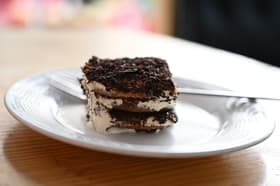
Status overview
How foods in this topic break down by Halal ruling.
- Halal 2
- Haram 16
- Halal if verified 11
- Scholarly difference 14
Foods in this topic
43 items All topics
- Apple Cider Vinegar Scholarly difference
- Apple Juice Halal
- Balsamic Vinegar Scholarly difference
- Beer Haram
- Bobotie Halal if verified
- Brandy Haram
- Cava Haram
- Champagne Haram
- Cider Haram
- Dolmio Halal if verified
- Ethanol (ethyl alcohol) Scholarly difference
- Gin Haram
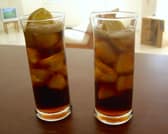
- Ginger beer Halal if verified
- Gochujang Halal if verified
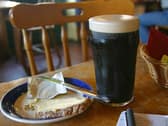
- Guinness Haram
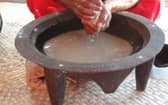
- Kava Haram
- Kefir Scholarly difference
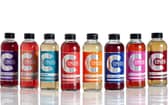
- Kombucha Scholarly difference
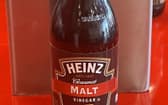
- Malt Vinegar Scholarly difference
- Mirin Scholarly difference
- Miso soup and miso paste Halal if verified
- Moules-Frites Scholarly difference
- Non Alcoholic Beer Scholarly difference
- Panettone Halal if verified
- Red Wine Vinegar Scholarly difference
- Rice Vinegar Scholarly difference
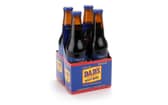
- Root Beer Halal
- Rum Haram
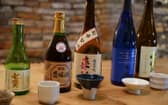
- Sake Haram
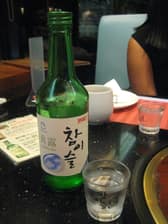
- Soju Haram
- Soy Sauce Halal if verified
- Spirit Vinegar Scholarly difference
- Tequila Haram
- Teriyaki Sauce Halal if verified
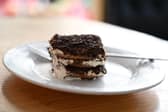
- Tiramisu Halal if verified
- Truffle Halal if verified
- Tsikoudia Haram
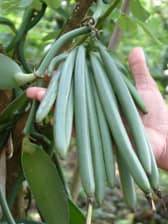
- Vanilla Extract Scholarly difference
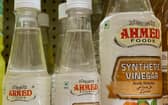
- Vinegar Scholarly difference
- Vodka Haram
- Whiskey Haram
- Wine Haram
- Worcestershire Sauce Halal if verified
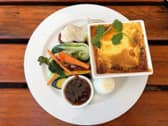
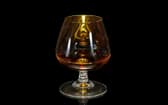
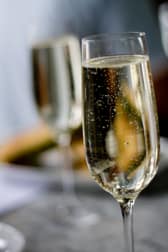
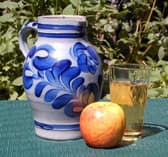
No foods match this filter.
Photo credits
- Silar · CC BY-SA 4.0
- Metoc · CC BY-SA 3.0
- Chapeau.judicael · CC BY-SA 3.0
- Olga Ernst · CC BY-SA 4.0
- Didier Descouens · CC BY-SA 3.0
- Lachlan Hardy · CC BY 2.0
- Eva K. on Commons / Eva K. on German Wikipedia · CC BY-SA 2.5
- Open Food Facts contributors · CC BY-SA 3.0
- Jon Worth · CC BY 2.0
- Open Food Facts contributors · CC BY-SA 3.0
- Open Food Facts contributors · CC BY-SA 3.0
- Dave Lonsdale · CC BY 2.0
- Wikibooch · CC BY-SA 4.0
- TaurusEmerald · CC BY-SA 4.0
- Open Food Facts contributors · CC BY-SA 3.0
- JIP · CC BY-SA 4.0
- N i c o l a from Fiumicino (Rome), Italy · CC BY 2.0
- Alheding · CC BY-SA 3.0
- Culture Japon · CC BY-SA 4.0
- Clément Bucco-Lechat · CC BY-SA 3.0
- Bodhi Peace · CC BY-SA 4.0
- Cornelius Aveling · CC BY-SA 4.0
- Flickr.com user "Blue Lotus" · CC BY 2.0
- Navneet Sharma · CC BY-SA 4.0
- Sunil Elias · CC BY-SA 3.0
- Sgroey · CC BY-SA 4.0
- Oleslawlama · CC BY-SA 4.0
- JIP · CC BY-SA 3.0
- Dimitri “Diti” Torterat · CC BY 2.0 fr


Frequently asked questions
Is any amount of alcohol allowed in food?
Drinks made to intoxicate are Haram in any amount. On this site, dishes made with wine, beer or spirits are treated as not Halal even when cooked, because cooking does not reliably remove the alcohol. Small amounts that arise naturally, as in bread or fruit juice, or that carry a flavouring, are judged page by page, and scholars differ on some of them.
Is vinegar Halal?
Plain vinegar is Halal. Wine and malt vinegar, once fully turned to vinegar, are Halal for most scholars, since the intoxicant is gone; some take a stricter view of wine vinegar. Balsamic vinegar follows the same reasoning.
Are non-alcoholic beer and kombucha Halal?
Scholars differ. Non-alcoholic beer is brewed as beer and then has the alcohol removed, which some scholars reject even at very low levels; kombucha ferments naturally and can carry traces. Their pages set out both views and what the label percentages mean.
Related topics
Explore connected ingredients, regions, and certification guidance.