
Why it is Haram
The Prophet said every intoxicant is khamr and every intoxicant is forbidden (Sahih Muslim 2003a) and that whatever intoxicates in large amounts, a small amount of it is haram (Abu Dawud 3681). Beer at typical 4–6% ABV intoxicates in quantity, so a sip is prohibited.
Jami' at-Tirmidhi 1295 curses the presser, seller, and server. IslamQA 201520 treats cooking with alcohol as haram when traces remain. USDA retention research undercuts the claim that beer 'burns off' in cooking.
Quranic guidance
-
Surah Al-Ma'idah 5:90
"O you who believe, indeed intoxicants, gambling, sacrificing on stone alters, and divining arrows are but defilement from the work of Satan, so avoid it that you may be successful."
-
Surah Al-Baqarah 2:219
"They ask you about wine and gambling. Say: In them is great sin and yet some benefit for people. But their sin is greater than their benefit."
Where it shows up
- Lagers, ales, stouts, and craft beers
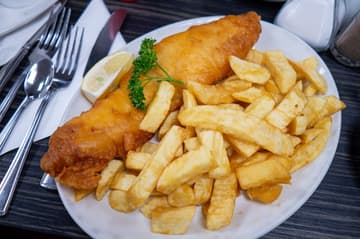
- Beer batter on fried foods
- Beer-based marinades and bratwurst simmers
- Cooking in stews (carbonnade) and cheese sauces
Why this ruling
Looking for lager, ale, stout, IPA, pilsner, or craft beer? Same ruling as beer — intoxicating malt drinks are Haram. Brand pages like Guinness stay separate when they have their own product detail; the category answer is still here.
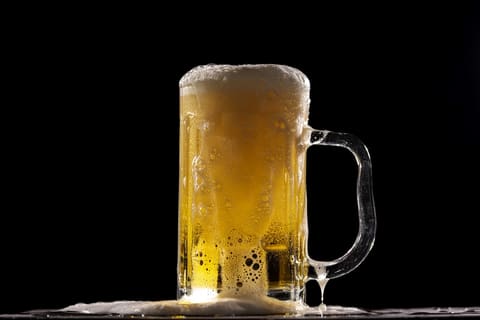
Beer—fermented malted grain, typically 4–6% alcohol—is an intoxicant. TTB malt-beverage identity describes the US class of fermented malt drinks (27 CFR Part 7, retrieved 25 August 2026). That is how the drink is regulated, not a Halal pathway.
The Quran commands believers to avoid intoxicants as defilement from the work of Satan (5:90) and discusses wine and gambling in 2:219 (quran.com/5/90, quran.com/2/219, retrieved 25 August 2026). The Prophet closed definitional loopholes: every intoxicant is khamr and every intoxicant is forbidden (Sahih Muslim 2003a, retrieved 25 August 2026). IslamQA 7327 (retrieved 25 August 2026) frames intoxicants as khamr and haram.
Two principles follow from named texts. First, the prohibition is substance-based, not dose-based: if a large amount causes intoxication, a small amount is prohibited (Sunan Abi Dawud 3681, retrieved 25 August 2026). One beer that leaves you sober is prohibited for the same reason as ten. Second, the prohibition extends beyond drinking: Jami' at-Tirmidhi 1295 (retrieved 25 August 2026) reports that he cursed the presser, drinker, carrier, server, and seller of wine, which is why observant Muslims avoid pouring and selling beer, not just consuming it.
Cooking with beer falls under the same alcohol-in-food rule. IslamQA 201520 (retrieved 25 August 2026) treats using alcohol in food as impermissible when the essence remains. The folk belief that alcohol 'burns off' is undercut by USDA-linked retention research: substantial alcohol remains after short simmering (USDA Table of Nutrient Retention Factors, Release 6, retrieved 25 August 2026; Augustin et al. 1992, often cited around 40% remaining after 15 minutes). Beer-battered fish and onion rings, Belgian beef carbonnade, bratwurst simmered in lager, beer-cheese sauces: those are cooking-with-khamr dishes on that fatwa, and the kitchen fixes are ordinary (soda water for batter; stock with a splash of vinegar in a braise).
For the taste without the substance, see our non-alcoholic beer entry for where scholars draw lines between 0.0% products, sub-0.5% 'non-alcoholic' beers, and never-fermented malt drinks like Barbican.
Cooking, NA alternatives, and soft-drink names
Soda water makes crisp batter; stock plus vinegar replaces braises. See non-alcoholic beer, root beer, wine.
Pub food and “beer can” recipes
Pub menus advertise beer-battered fish and onion rings as signatures—order grilled alternatives. Beer-can chicken and camp-cook recipes that pour lager into meat are the same cooking-with-beer case. Non-alcoholic options are not all equal; read our non-alcoholic beer page for 0.0% versus residual-alcohol products. Root beer floats remain a Halal soft-drink treat when the root beer itself is alcohol-free.
How to verify
- For the beer experience: certified halal malt beverages (Barbican, Moussy and similar) and verified 0.0% products per the scholarly positions discussed on our non-alcoholic beer page.
- For cooking: stock plus a splash of vinegar replaces beer in batters and stews; soda water makes crispier batter than beer anyway.
Quick checks
- Beer is khamr → Haram in any amount.
- Cooking with beer remains prohibited; alcohol does not fully evaporate.
- Names like root beer do not create a ban by themselves.
- Trade/serving roles are also discouraged in the Tirmidhi 1295 report.
Frequently asked questions
Is beer haram?
Why is beer haram if a small glass doesn't intoxicate?
Is food cooked with beer Halal since alcohol burns off?
What about beer in bread or beer yeast?
Is 'root beer' or 'ginger beer' haram because of the name?
Is it permissible to sit with people drinking beer?
Sources
Named Islamic, certifier, manufacturer, and regulatory sources used on this page. Inline markers like [1] jump here. Retrieval dates show when we last checked the live URL. Editorial methodology.
Islamic / scriptural
-
-
-
Sahih Muslim 2003a — every intoxicant is khamr
Sahih Muslim (sunnah.com) Retrieved
Every intoxicant is khamr and every intoxicant is forbidden.
-
Sunan Abi Dawud 3681 — small amount of an intoxicant
Sunan Abi Dawud (sunnah.com) Retrieved
If a large amount of anything causes intoxication, a small amount of it is prohibited.
-
Jami' at-Tirmidhi 1295 — ten cursed in connection with wine
Jami' at-Tirmidhi (sunnah.com) Retrieved
Curses the presser, drinker, carrier, server, seller, and related roles.
-
Sunan Abi Dawud 3774 — sitting where wine is drunk
Sunan Abi Dawud (sunnah.com) Retrieved
Forbids sitting at a cloth on which wine is drunk. Abu Dawud notes a transmission issue; cited here as the report behind the sitting FAQ, not as a workplace employment fatwa.
-
IslamQA 201520 — alcohol in food
IslamQA Retrieved
Not permissible to use alcohol in food; dishes cooked with alcohol are haram when traces remain.
-
-
Qur’anic text Retrieved
O you who believe, indeed intoxicants, gambling, sacrificing on stone alters, and divining arrows are but defilement from the work of Satan, so avoid it that you may be successful.
-
Qur’anic text Retrieved
They ask you about wine and gambling. Say: In them is great sin and yet some benefit for people. But their sin is greater than their benefit.
Regulatory / labelling
-
USDA Table of Nutrient Retention Factors, Release 6
Retrieved
Cites Augustin et al. 1992. Chemistry of cooking—not a fatwa.
-
27 CFR Part 7 — malt beverages (TTB)
Retrieved
US identity of malt beverages/beer. Tax/label law, not Halal proof.
People also check
Related ingredients and products for this item.
Halal-conscious recipes
A substitution-led recipe that uses this analysis.