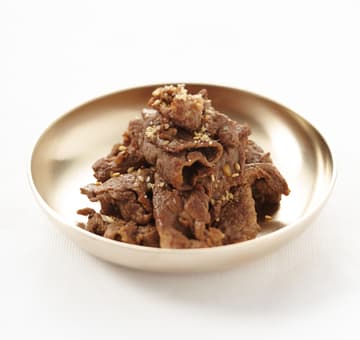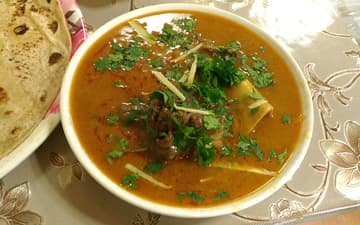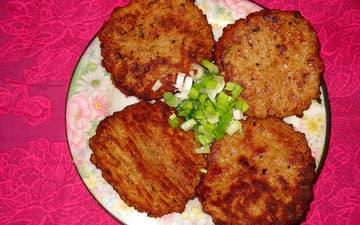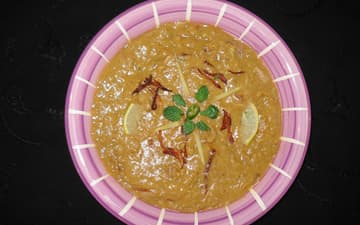

Is Beef Halal?
It depends on what the label says.
Cattle are a Halal species—beef is Halal when the animal is slaughtered according to Islamic law (zabiha).
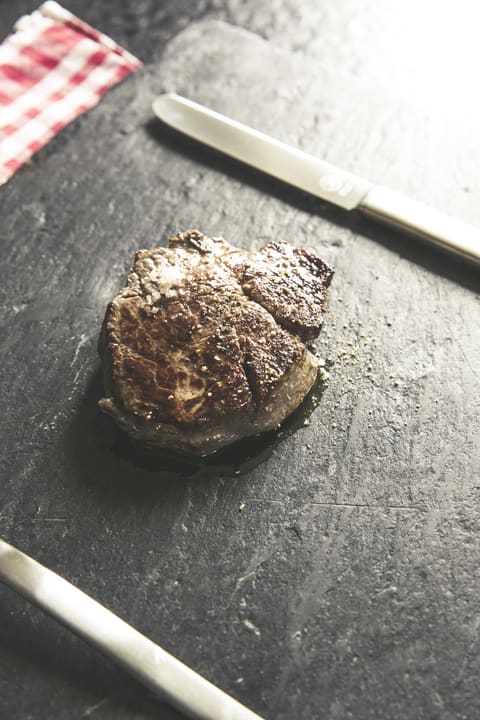
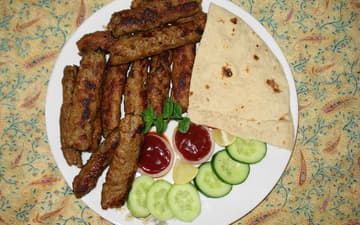
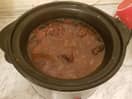
Photo: Halima Waziri · CC BY-SA 4.0
How to verify
- Buy from halal butchers or certified brands (look for IFANCA, ISWA, HFSAA, HMC and similar marks). 'Grass-fed', 'organic', and 'kosher' are not halal.
- For processed beef products, certification must cover the processing, not just the animal.
Quick checks
- Require zabiha/Halal slaughter for meat.
- Check restaurant supply certification.
- Processed beef products need additive checks.
What decides the answer
-
Beef from zabiha (Islamic) slaughter
Halal -
Dishes cooked with wine or non-halal additives — regardless of the beef
Haram -
Beef with no halal certificate or slaughter assurance: not established as halal
-
Kosher beef: not a Halal certificate—Hanafi/Askimam rejects kosher meat that lacks Islamic tasmiyah; some Shafi‘i views treat People-of-the-Book meat as lawful (5:5). This site still requires a Halal mark or zabiha pathway, not a kosher symbol
-
Beef products (gelatin, tallow, stock): follow the slaughter status of the source cattle
Why this ruling
Beef - the meat of cattle - is a cornerstone of halal eating worldwide, from steaks and burgers to biryanis and koftas. The Quran explicitly permits grazing livestock, and cattle sit squarely in that category. But 'beef is halal' comes with the essential qualifier that applies to every land animal: permissibility of the species is only the starting point. The individual animal must be slaughtered according to Islamic law for its meat to be halal.
Zabiha slaughter requires a sane adult Muslim (or, per the majority of scholars, a Jew or Christian meeting the same conditions), a sharp blade, a swift cut severing the windpipe, gullet, and the blood vessels of the neck, the pronouncement of Allah's name over the animal, and the draining of its blood.
The animal must be alive and healthy at the time of the cut. Ordinary supermarket beef is not sold against those conditions and publishes nothing about them: no tasmiyah is claimed, no Islamic oversight is claimed, and the stunning method is not stated on the pack. That is why quality grade or 'natural' labelling says nothing about halal status - the pack simply does not carry the evidence the ruling turns on.
The main live debate in the halal beef world concerns stunning. Many large certifiers accept reversible stunning - a controlled electric stun that renders the animal unconscious but alive, with the Islamic cut following immediately - arguing it satisfies both welfare regulation and fiqh. Stricter certifiers, most prominently HMC in the UK, certify only non-stunned slaughter, holding that stunning risk and classical method argue for the traditional standard. Both positions live within mainstream scholarship; what matters for the consumer is knowing which standard a given certificate represents.
Stunning, kosher meat and other disputed points
- Species: Cattle are Halal livestock under Qur’an guidance on lawful animals/slaughter (see 5:3).
- Stunning: Contested between certifiers. Compare published standards from bodies that accept reversible stun vs non-stun programmes—e.g. HMC (UK) non-stun emphasis (retrieved 20 July 2026) vs broader programmes such as IFANCA (retrieved 20 July 2026). Read the certifier behind the mark on your pack.
- People of the Book meat: Qur’an 5:5 addresses food of the People of the Book; schools differ on how far that extends to modern kosher labels. Askimam (Hanafi) states kosher-certified meat does not meet Islamic slaughter requirements (Askimam 6038, retrieved 16 August 2026).[3] This site does not treat a kosher symbol as a Halal certificate.
Practical guidance: buy from a halal butcher or brands carrying a recognized certificate, and remember that processing matters for processed products - beef gelatin, tallow, stock cubes, and deli meats need certification covering the whole chain, not just a halal animal at the start of it. A kosher mark is a different religious audit—not a substitute for the Halal marks on this page (HMC, IFANCA, JAKIM).
Halal beef means slaughter + handling
Cattle are a lawful species. Steaks, ground beef, and roasts are Halal when the animal is slaughtered to the Islamic standard you accept, blood is drained per practice, and the plant avoids haram cross-contamination. “Grass-fed,” “organic,” and “Angus” labels answer farming preferences, not zabiha.
Processed beef products
Sausages, deli roast beef, beef bacon, and ready meals may include wine, pork enzymes, non-Halal beef tallow mixes, or shared equipment with pork. Prefer Halal-certified processed meats. See steak, salami, and gelatin for derivative issues.
Eating out
Unless the restaurant is Halal-certified or uses a documented Halal butcher, assume conventional beef. Ask about marinades and shared grills with bacon. Muslim-owned steakhouses and Halal burger chains exist specifically to close this gap.
Tongue, liver and other parts
Offal and less common cuts follow the animal. A Hanafi answer from MuftiSays says every part of a correctly slaughtered Halal animal may be eaten except seven: flowing blood, the male and female private parts, the testicles, glands, the bladder and the gallbladder.[8] So beef tongue, cheek and tail are Halal when the cow was slaughtered the Halal way, and the check is the same as for any other cut.
Where you'll find it
- Steaks, roasts, and ground beef
- Burgers, kebabs, and koftas
- Curries, stews, and biryanis
- Beef gelatin and tallow (when halal-sourced)
- Deli meats and jerky
Frequently asked questions
Is all beef automatically halal since cows are halal animals?
Is wagyu beef Halal?
Is beef liver Halal?
Is kosher beef halal?
What is the ruling on stunned beef?
Are beef gelatin and beef tallow halal?
Why is blood drainage required?
Is beef tongue Halal?
Scholarly view
The Quran explicitly permits grazing livestock (al-an'am), which includes cattle. The conditions are entirely about slaughter: a sane Muslim (or person of the Book, per the majority), a swift cut severing the throat vessels, Allah's name pronounced, and blood drained.
Modern debates concern stunning: many certifiers accept reversible stunning that does not kill the animal, while stricter bodies (like HMC in the UK) certify only non-stunned slaughter. Both positions exist within mainstream scholarship.
Quranic guidance
-
Surah Al-Ma'idah 5:1
"O you who believe, fulfill all contracts. Lawful for you are the animals of grazing livestock except for that which is recited to you..."
Sources
Named Islamic, certifier, manufacturer, and regulatory sources used on this page. Inline markers like [1] jump here. Retrieval dates show when we last checked the live URL. Editorial methodology.
Islamic / scriptural
-
-
Qur'an 5:5 — food of the People of the Book
Retrieved
Classical verse some schools apply to Jewish/Christian slaughter. Not a supermarket kosher-equals-Halal rule.
-
Askimam 6038 — kosher-certified meat
Askimam Retrieved
Hanafi: kosher-certified meat does not meet Islamic slaughter (tasmiyah) requirements. Scholars differ on this, and no reliable headcount exists.
-
What parts of a chicken are halal and is it permissible to consume all parts?
MuftiSays (Darul Uloom London), via IslamQA.org Retrieved
Moulana Qamruz Zaman: 'All parts of a Halal animal is Halal to consume (which has been correctly slaughtered according to Shari'ah), except seven': flowing blood, the male and female private parts, scrotum, glands, bladder and gallbladder (Fatawa Alamgiriyya; Ahsan al-Fatawa).
-
Qur’anic text Retrieved
O you who believe, fulfill all contracts. Lawful for you are the animals of grazing livestock except for that which is recited to you...
Certifier / jurisdiction
-
HMC (UK) — Halal Monitoring Committee
Retrieved
-
Retrieved
-
Retrieved
Regulatory / labelling
-
USDA FSIS — beef from farm to table
Retrieved
People also check
Related ingredients and products for this item.
Halal-conscious recipes
A substitution-led recipe that uses this analysis.
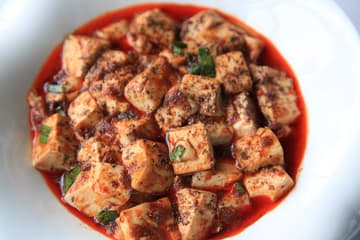
- Mapo tofu with Halal beef Pork & pork fat
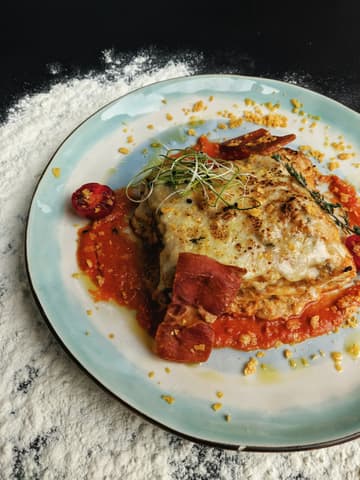
- Beef lasagne without prosciutto Pork & pork fat
- Beef empanadas without chorizo Pork & pork fat
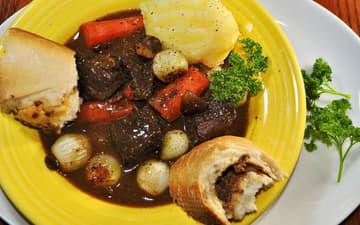
- Beef bourguignon without wine Alcohol
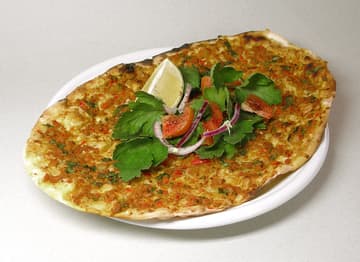
- Homemade lahmacun Sourcing & fats
- Beef bulgogi Alcohol
- Beef nihari Sourcing & fats
- Chapli kebab Sourcing & fats
- Haleem Sourcing & fats
- Seekh kebab Sourcing & fats
- Goulash without lard Pork & pork fat
- Halal beef bakso Pork & pork fat
- Halal pho-style beef broth Sourcing & fats
- Halal Swedish-style meatballs Pork & pork fat