
How to verify
- Confirm the meat species—reject pork and unspecified 'salami.'
- For beef/poultry salami, require Halal slaughter certification.
- Check for wine, pork fat, and non-Halal casings.
- Prefer clearly Halal-certified deli brands over generic Italian-style packs.
What decides the answer
-
Beef/poultry salami with Halal certification
Halal -
Unspecified meat or uncertified beef salami
Halal if verified -
Pork salami
Haram -
Salami listing wine or pork fat: avoid
Why this ruling
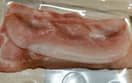
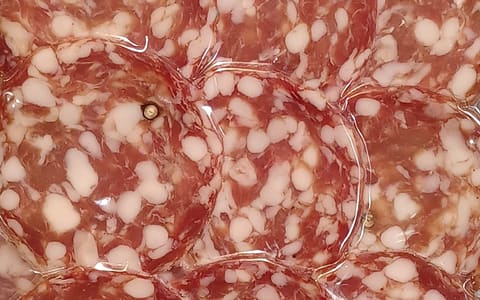
Salami is a family of fermented, cured, air-dried sausages: ground meat and fat mixed with salt, spices, and curing agents, stuffed into a casing, then dried until firm and tangy. Italian regional names (Genoa, Milano, Felino) and supermarket “hard salami” all sit in this category. Because the default European tradition is pork, Muslims cannot treat the word “salami” as Halal the way they might treat plain cheese or bread.
Species is the first fork
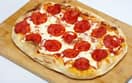
Pork salami — Haram. No curing method, spice blend, or “small amount on pizza” exception makes pork permissible.
Beef, lamb, turkey, or chicken salami — possible Halal only if the animal was slaughtered to Halal standards and the rest of the formula is clean.
Unspecified “salami” — Halal if verified. In many Western delis, unspecified means pork or a pork blend.
On the shelf: Sainsbury's Milano salami lists "Pork, Salt, Dextrose" and curing salts,[5] and a US Genoa salami lists pork and, further down, wine.[6] Halal salami is made from other meat and says so: Carrefour's turkey salami in France lists "Viande de dinde halal, gras de dinde halal" (Halal turkey meat and fat) and carries a Halal certifier's label.[7]
The USDA Food Safety and Inspection Service explains how sausages are cured and handled for safety in its sausages and food safety guidance (retrieved 16 August 2026). Those pages help you understand nitrite curing and storage; they do not answer the Halal slaughter question and they are not a census of European or Middle Eastern formulas.
Other ingredients that matter
Wine or spirits — some artisan recipes add wine to the grind. That is an alcohol ingredient issue on top of meat status.
Fat source — pork fat in a “beef” salami (or shared grinder lines) appears in some mixed products; read carefully.
Casings — natural casings may be from pork or ruminants; collagen casings vary. Halal brands specify.
Starter cultures and enzymes — usually not the main blocker, but certified producers audit them.
Cross-contact at the slicer — deli counters that slice pork salami then beef salami on the same blade are a practical concern for careful shoppers.
Named Halal product vs unverified deli and pizza practice
A documented grocery example is Midamar Halal Classic Salami: the product page states hand-slaughtered zabiha chicken and beef and “Halal certified salami,” with an ingredients list naming Halal chicken and Halal beef (retrieved 16 August 2026).[2] That product does not describe Italian-style supermarket packs, export reformulation, or pizza-chain toppings.
European domestic salami, Middle Eastern export brands, pizza-chain toppings and deli slicers all vary, so check each one. When a menu says “Italian meats” without a named Halal product and certifier, treat it as unverified. IFANCA and JAKIM/MYeHALAL are directories for claimed marks on named products, not prevalence surveys.[3][4]
Charcuterie boards and shared slicers remain a kitchen-practice question: ask that shop; do not assume a rate. Pork salami on a pizza still follows species prohibition—removing slices after cooking does not document a clean pie.
Realistic verification
- Read the meat species on the pack or deli tag.
- If pork or unspecified → do not buy.
- If beef/poultry → require a Halal mark you trust.
- Check wine, fat source, and ask delis about shared slicers when that matters to you.
Where you'll find it
- Cold-cut sandwiches and antipasto
- Pizza and pasta toppings
- Charcuterie boards
- Snack sticks and sliced deli packs
Frequently asked questions
Is all salami pork?
Is beef salami automatically Halal?
Does curing or fermentation make salami Haram even if the meat is Halal?
Are Genoa, hard salami, and pepperoni the same ruling?
Can I eat salami pizza if I remove the slices?
Is Milano or Genoa salami Halal?
Scholarly view
Salami is not a single meat. Pork salami is Haram by species. Permissible-species salami still requires zabiha (or your school's accepted slaughter standard) plus clean casings and curing aids. Wine or wine spirits in some European recipes is an additional problem. USDA sausage food-safety materials describe curing and fermentation as preservation technology—they do not make pork Halal.
Sources
Named Islamic, certifier, manufacturer, and regulatory sources used on this page. Inline markers like [1] jump here. Retrieval dates show when we last checked the live URL. Editorial methodology.
Certifier / jurisdiction
-
Retrieved
Certifier home for checking a claimed US Halal mark—not a survey of deli slicers or pizza chains.
-
JAKIM / Portal Halal Malaysia (MYeHALAL)
JAKIM Retrieved
Directory when a Malaysian Halal mark is claimed on a named product—not a continent-wide formula.
Manufacturer / product
-
Midamar — Halal Classic Salami
Midamar Halal Retrieved
Named US product: zabiha chicken and beef, Halal-certified salami. Does not describe European supermarket pork salami or pizza-chain toppings.
-
Sainsbury's Milano salami slices (01737554)
Open Food Facts (pack record) Retrieved
Record updated March 2026. Ingredients: 'Pork, Salt, Dextrose, White Pepper, Antioxidant (Sodium Ascorbate), Garlic, Preservatives (Potassium Nitrate, Sodium Nitrite)'.
-
Margherita sliced Genoa salami (0027815001398)
Open Food Facts (pack record) Retrieved
Ingredients: 'Pork, salt, contains 2% or less of dextrose', then flavourings, a lactic acid starter culture, sodium nitrite, spices, vitamin C, 'wine', BHA, BHT and citric acid.
-
Carrefour Salami de dinde Halal (3560071449544)
Open Food Facts (pack record) Retrieved
Record updated March 2026; Halal label from the Société Française de Contrôle de Viande Halal recorded. Ingredients begin 'Viande de dinde halal, gras de dinde halal' (Halal turkey meat, Halal turkey fat).
Regulatory / labelling
-
USDA FSIS — sausages and food safety
Retrieved
Curing and fermentation as food-safety technology—not a Halal slaughter certificate and not a species census.