
Is Pepperoni Halal?
It depends on what the label says.
Traditional pepperoni is a cured sausage of pork, or pork mixed with beef, making it Haram.
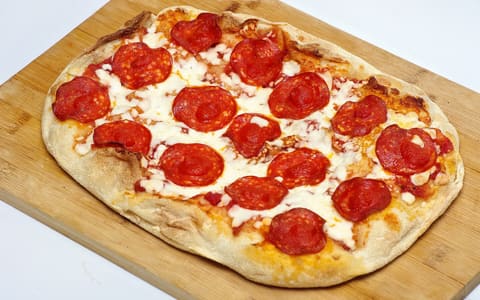
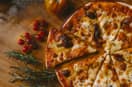
Photo: Pannet · CC BY-SA 4.0
How to verify
- Assume traditional pepperoni is pork or pork-beef—Haram.
- “Beef pepperoni” still needs Halal/zabiha certification and clean casings.
- At mainstream pizza chains, skip pepperoni (including unverified beef).
- Buy a named certified product (e.g. Midamar beef; Hormel foodservice Halal) or another pack with a current certifier mark.
- Never “pick off” cooked pork pepperoni—fat has rendered into the pie.
Quick checks
- Traditional pepperoni → Haram (pork).
- Beef without Halal mark ≠ Halal.
- Certificate covers meat, casing, and line segregation.
- Shared chain slicers/ovens are a separate kitchen risk.
What decides the answer
-
Certified halal beef/turkey/chicken pepperoni
Halal -
Traditional pepperoni (pork or pork-beef blend)
Haram -
All-beef or turkey pepperoni from conventional slaughter
Not Halal -
Pizza chains' 'beef pepperoni' without certification: not verified - ask for documentation or skip
Why this ruling
Pepperoni is an American-style cured, air-dried sausage - a spicier, finer-grained cousin of salami - and a very common US pizza topping. USDA FSIS lists pepperoni as a dry, not-cooked, air-dried sausage (sausages and food safety, retrieved 16 August 2026). Traditional retail pepperoni is typically pork or pork-beef, which is haram on the swine count (Qur'an 5:3) even before slaughter is asked.
For a pepperoni to be halal, the entire chain has to check out. The meat must be from a permissible species slaughtered Islamically - certified beef, turkey, or chicken. The casing matters too: sausage casings can be made from pork intestine or non-halal collagen, so certifiers verify plant-based, halal-collagen, or halal natural casings. Finally, the cure and seasoning mix must be free of haram carriers, and production lines must be segregated from pork products. This is exactly what halal certification audits, which is why the certificate - not the phrase 'all beef' - is what to look for.
Named current examples (retrieved 16 August 2026): Midamar Halal sliced beef pepperoni (zabiha beef, no pork) and Hormel Foodservice Halal pepperoni (chicken, beef, and turkey; marked HALAL). Other certified brands exist; the ones named here have product pages we could cite. Halal pizzerias that use a certified topping are a practical alternative to mainstream chains—this is not a census of “most North American Halal shops.”
Two practical cautions. First, at mainstream pizza chains, 'beef pepperoni' (where offered) is generally not zabiha and shares ovens and slicers with pork pepperoni - do not treat the species word as a certificate. Second, picking pepperoni off a cooked pizza does not make the pizza permissible; the rendered fat has already spread through the cheese. If you love pepperoni pizza, seek a named certified product rather than compromising.
Pizza chains versus Halal supply
Pepperoni is a common US pizza topping and a cured sausage problem: species, slaughter, casing, and cure mix. FSIS lists pepperoni among dry sausages (sausages and food safety, retrieved 16 August 2026). Named Halal products: Midamar beef, Hormel foodservice Halal (retrieved 16 August 2026). See pizza, salami, and pork. Qur'an 5:3: quran.com/5/3 (retrieved 16 August 2026).
Charcuterie boards and calzones
Pepperoni sticks on snack boards follow the same certification rule as pizza slices. Calzones and stromboli trap pork pepperoni inside melted cheese—removing visible discs does nothing. If a restaurant offers “turkey pepperoni,” still request Halal documentation; turkey species alone is not zabiha proof. Home freezers stocked with certified sliced pepperoni make weeknight Halal pizza faster than debating chain toppings.
Stocking certified pepperoni also simplifies school parties and office orders: you control the topping instead of negotiating with a pork-default kitchen.
Where you'll find it
- Pizza topping
- Calzones and stromboli
- Sandwich and sub fillings
- Charcuterie and snack sticks
Frequently asked questions
Does pepperoni always contain pork?
Can Muslims eat pepperoni pizza from mainstream chains?
Is 'beef pepperoni' automatically halal?
What should I check on a halal pepperoni label?
Is picking pepperoni off a pizza enough?
Scholarly view
Cured sausages raise three separate issues: the meat species (traditional US pepperoni is typically pork or pork-beef; USDA FSIS lists pepperoni as a dry air-dried sausage—not a Halal certificate), the slaughter method (beef pepperoni from conventional slaughter is still not halal), and processing details - casings can be pork-derived, and cure mixes can include haram additives.
Named Halal lines include Midamar zabiha beef pepperoni and Hormel foodservice Halal pepperoni (chicken, beef, and turkey). The certificate—not the word beef—resolves the chain.
Sources
Named Islamic, certifier, manufacturer, and regulatory sources used on this page. Inline markers like [1] jump here. Retrieval dates show when we last checked the live URL. Editorial methodology.
Islamic / scriptural
Certifier / jurisdiction
-
Retrieved
Certifier literacy for reading a mark on a pack—not a listing of every Halal pizzeria.
Manufacturer / product
-
Midamar — Halal sliced beef pepperoni
Midamar Halal Retrieved
Named US product: zabiha Halal all-beef pepperoni. Certificate is on that product, not a category-wide US pizza-chain claim.
-
Hormel Foodservice — Halal pepperoni
Hormel Retrieved
Named foodservice product marked HALAL; ingredients are chicken, beef, and turkey—not pork, and not an all-beef claim.
Regulatory / labelling
-
USDA FSIS — sausages and food safety
USDA FSIS Retrieved
FSIS lists pepperoni as a dry, not-cooked, air-dried sausage. Not a Halal certificate. 9 CFR Part 319 has no pepperoni identity section.