
How to verify
- For raw meat, prefer a trusted Halal certifier or known Muslim/People-of-the-Book slaughter source that matches your school.
- Ask whether stunning is used and whether birds are alive at the cut.
- At restaurants, ask about Halal meat supply and shared fryers/marinades with pork or alcohol.
- Read processed chicken labels for gelatin, wine, or animal enzymes.
- Do not treat 'all natural' or 'organic' as Halal.
What decides the answer
-
Proper Islamic slaughter (Zabiha) or accepted Scriptural-food practice per your school
Halal meat -
Death by stunning/strangulation before a valid cut
maytah; avoid -
Chicken species: Halal poultry (not a bird of prey)
-
Processed chicken: still check marinades, broth, enzymes, shared equipment
Why this ruling
Chicken is the world's most common poultry meat—the domesticated descendant of the red junglefowl. In Islamic dietary law the species is Halal: chicken is not a bird of prey or a scavenger bird singled out for prohibition. The live question is almost always how this bird was killed and what was added afterward.
What is halal chicken?
Halal chicken is chicken slaughtered by Islamic rules. The Codex Alimentarius guideline used by many certifiers sets them out: a Muslim slaughters each bird, says Bismillah ("in the name of Allah") just before, and cuts the windpipe, gullet and the main arteries and veins of the neck so the blood drains.[6] It is not a different breed or a different taste. Any chicken can be halal; what makes it halal is how it was killed, and that nothing haram is added afterwards.
Stunning is where shoppers disagree. In England and Wales, the Food Standards Agency's 2024 survey found 19% of meat chickens were slaughtered by Halal methods with water-bath stunning, and 3% without stunning.[7] Some certifiers accept that stunning and some don't (see HMC vs HFA), so "halal chicken" on a label tells you a certifier's standard, not one universal method.
Species vs slaughter
Qur'an 5:3 forbids carrion, blood, swine, and animals dedicated to other than Allah, including animals killed by strangling or a violent blow.[2] Qur'an 5:5 permits good foods and addresses the food of the People of the Book—classical and contemporary scholars differ on how that applies to modern abattoirs.[1] English Qur'an text for study is available via quran.com.
For everyday shoppers the practical rule is:
- Chicken as meat → Halal species.
- This pack / this restaurant → depends on slaughter audit, tasmiyah practice per your school, stunning policy, and later ingredients.
That is why this page's status is Halal for the food category with conditions, not a blank check for every nugget on earth.
Industrial poultry and certification
National food-safety systems inspect poultry for hygiene. In the United States, FSIS oversees poultry inspection.[5] Inspection does not equal Halal. Halal marks come from Islamic certifiers who audit slaughter lines—JAKIM in Malaysia,[3] and bodies such as IFANCA,[4] HFA, HMC, SANHA, or MUI in other markets.
Machine slaughter, remote tasmiyah, and electrical water-bath stunning are among the most disputed operational details. If your local scholar requires hand slaughter without lethal stunning, filter certifiers accordingly rather than assuming every green logo is identical.
Processed chicken and restaurants
Once chicken leaves the slaughterhouse, new risks appear:
- Marinades with wine, beer, or pork enzymes
- Broths and injectates with unclear animal flavours
- Shared fryers with pork or non-Halal items
- Deli slicers used for ham and turkey
Fast-food chicken (see brand pages such as McDonald's) is a supply-chain and fryer question, not a species question.
Realistic verification
- Prefer certified Halal chicken for home cooking when you lack a known slaughter source.
- Ask restaurants two questions: meat certifier/source, and shared oil or prep surfaces.
- Read cold-cut and nugget labels fully.
- Organic, cage-free, and antibiotic-free claims never substitute for Zabiha.
- When traveling, reset assumptions—supermarket chicken in one country is not the same program as another.
Chicken feet
Chicken feet follow the bird. Mufti Ebrahim Desai answered that it is permissible to cook and eat them,[8] and that if the chicken was not slaughtered by the rules of Zabah, the feet are not Halal.[9] So the check is the same as for the rest of the chicken: who slaughtered it, and how.
Eggs are not the same page
This article is about chicken meat. Shell eggs from living hens are a different food question (blood spots, feed, and certification programs vary by school and market). Do not transfer a Halal chicken-slaughter certificate onto liquid egg products, mayonnaise, or bakery mixes without reading those labels. Likewise, chicken flavour powders and bouillon cubes can contain hydrolyzed animal proteins or yeast extracts that need their own check even when the bird species was chicken.
Where you'll find it
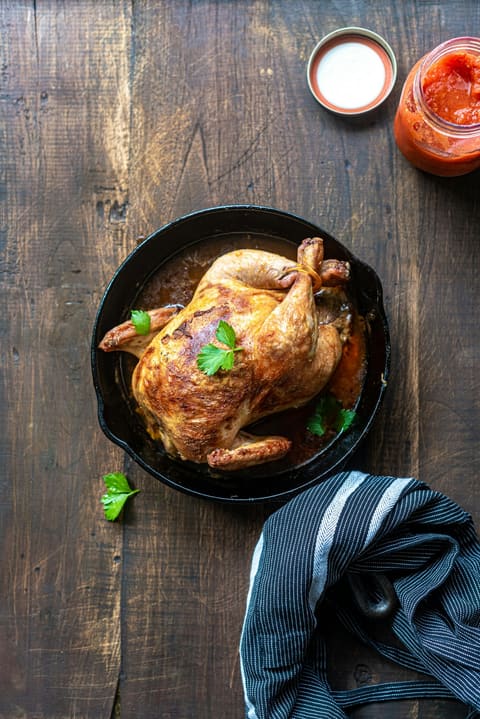
- Roasted, grilled, or fried whole
- Chicken breast, thighs, wings
- Ground chicken
- Deli slices and cold cuts
- Soups, stews, and curries
Frequently asked questions
What is halal chicken?
Is chicken halal?
What about stunning?
Can I eat chicken from a regular supermarket?
Are restaurant grilled chicken and fried chicken the same check?
Does organic or free-range mean Halal?
Are chicken feet Halal?
Scholarly view
The Qur'an permits good foods and forbids carrion, blood, and swine (5:3), while 5:5 addresses food of the People of the Book—schools differ on how far that extends to modern industrial poultry. Practically, most cautious Muslim consumers in non-Muslim countries rely on Halal certification that audits slaughterhouses for a valid cut, tasmiyah practice per the certifier's standard, and living birds at slaughter. Machine slaughter and stunning are major fatwa fault lines; know your authority.
Quranic guidance
-
Surah Al-Ma'idah 5:3
"Forbidden to you are dead animals, blood, the flesh of swine, and that which has been dedicated to other than Allah, and those animals killed by strangling or by a violent blow or by a headlong fall or by the goring of horns."
-
Surah Al-Ma'idah 5:5
"This day [all] good foods have been made lawful, and the food of those who were given the Scripture is lawful for you and your food is lawful for them."
Sources
Named Islamic, certifier, manufacturer, and regulatory sources used on this page. Inline markers like [1] jump here. Retrieval dates show when we last checked the live URL. Editorial methodology.
Islamic / scriptural
-
Qur'an Retrieved
Study text for 5:3 (prohibitions) and 5:5 (People of the Book food).
-
Qur'an Retrieved
Forbids carrion, blood, swine, and animals killed by strangling or a violent blow.
-
What do you do with the feet of chickens after they are slaughtered?
Askimam (Mufti Ebrahim Desai), via IslamQA.org Retrieved
It is permissible to use the feet of the Chicken by cooking and eating them.
-
Would chicken feet be regarded pure irrespective of who cut them?
Askimam (Mufti Ebrahim Desai), via IslamQA.org Retrieved
If the chicken was not slaughtered according to the Shari'ah laws of Zabah, the chicken feet will not be Halaal.
-
Qur’anic text Retrieved
This day [all] good foods have been made lawful, and the food of those who were given the Scripture is lawful for you and your food is lawful for them.
Certifier / jurisdiction
-
Portal Halal Malaysia (MYeHALAL)
Jabatan Kemajuan Islam Malaysia (JAKIM) Retrieved
Public directory for certified premises and products.
-
Islamic Food and Nutrition Council of America Retrieved
Regulatory / labelling
-
U.S. Department of Agriculture — Food Safety and Inspection Service Retrieved
Hygiene inspection is not a Halal or Zabiha certificate.
-
Codex General Guidelines for Use of the Term 'Halal' (CXG 24-1997)
Codex Alimentarius (FAO/WHO) Retrieved
Section 3: slaughter by a Muslim, invoking the name of Allah (Bismillah) immediately before slaughter of each animal, cutting the trachea, oesophagus and main arteries and veins of the neck.
-
Slaughter Sector Survey 2024 (England and Wales, 12–18 February 2024)
Food Standards Agency Retrieved
In the survey week, 19% of meat chickens were slaughtered by Halal methods with water-bath stunning and 3% without stunning.
Halal-conscious recipes
A substitution-led recipe that uses this analysis.
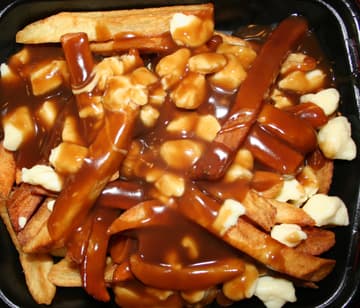
- Poutine with Halal gravy Sourcing & fats
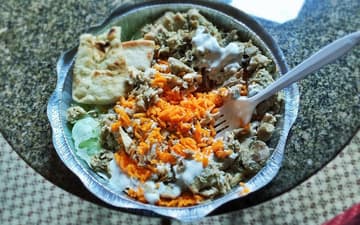
- Halal cart chicken and rice Sourcing & fats
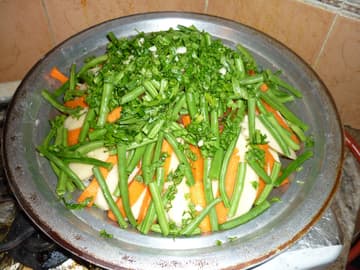
- Chicken tagine, lemon and olives Sourcing & fats
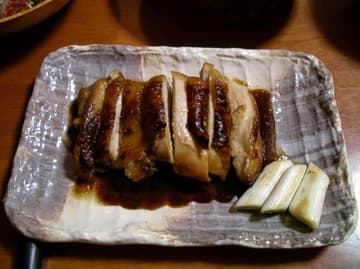
- Chicken teriyaki, no mirin Alcohol
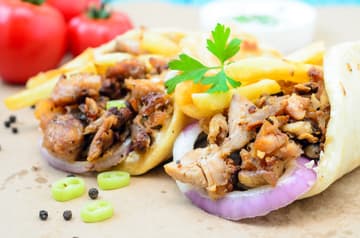
- Chicken shawarma Sourcing & fats
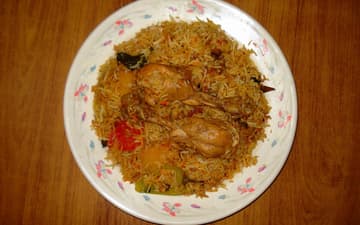
- Chicken biryani Sourcing & fats
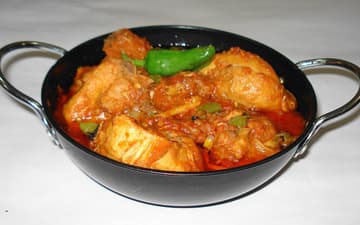
- Chicken karahi Sourcing & fats
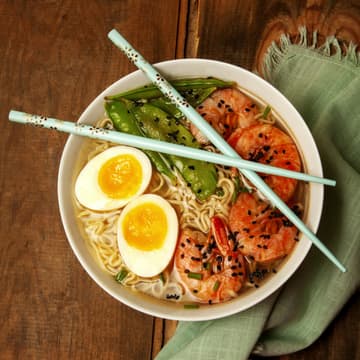
- Pork-, mirin- and sake-free ramen Pork & pork fat
- Paella without chorizo Pork & pork fat