
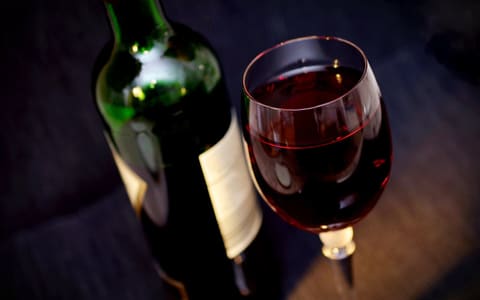
Why it is Haram
Wine is the archetype of khamr in Islamic law. Colour (red, white, rosé), sweetness, and price do not create exceptions. Cooking myths that 'alcohol burns off completely' are unreliable; mainstream practice is to avoid food prepared with wine.
Wine vinegar that has fully transformed into acetic acid is discussed under vinegar/istihalah and is not the same as drinking wine. Dealcoholized wine is judged by residual alcohol and whether it remains an intoxicant-derived beverage under your scholarly standard.
Quranic guidance
-
Surah Al-Ma'idah 5:90
"O you who believe, indeed intoxicants, gambling, sacrificing on stone alters, and divining arrows are but defilement from the work of Satan, so avoid it."
Where it shows up
- Table wine with meals
- Sparkling wine and champagne
- Fortified wines (port, sherry)
- Cooking sauces, stews, and reductions
- Wine-based marinades and desserts
What decides the answer
-
All beverage wine (still, sparkling, fortified)
Haram -
Food deliberately cooked with wine — under mainstream practice
Haram -
Dealcoholized wine: check residual ABV; many avoid
-
Completed wine vinegar: see Vinegar page (different ruling track)
Why this ruling
Wine is an alcoholic beverage produced when yeast ferments the sugars in grapes (or other fruits) into ethanol. Styles span dry table wines, sweet dessert wines, sparkling wines, and fortified wines such as port and sherry. Production is ancient and global—from Caucasus archaeology to modern France, Italy, Spain, California, Australia, and Chile—but age and terroir marketing have no bearing on the Islamic ruling: beverage wine is Haram.
Textual and regulatory framing
Quran 5:90 instructs believers to avoid intoxicants. Classical and contemporary scholars treat grape wine as the core case of khamr. The prophetic principle that whatever intoxicates in large amounts is forbidden in small amounts closes loopholes about “just a sip for taste” or “only in the sauce.”
U.S. alcohol labelling standards describe wine as a class of fermented grape beverage under TTB rules; see the standards framework in 27 CFR Part 4 (retrieved 20 July 2026). Those rules exist to regulate an alcoholic drink category—not to invent a Halal pathway. If it is sold and taxed as wine, it is an intoxicant for fiqh purposes.
Styles people ask about
Red / white / rosé — different maceration and grape choices; same Haram ruling.
Sparkling wine and champagne — carbonated, still alcoholic.
Fortified wines — higher ABV from added spirit; still Haram.
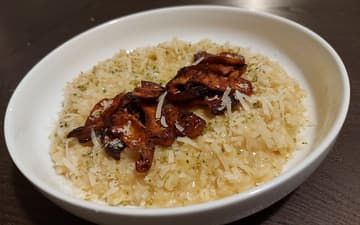
Cooking wine — often salted supermarket “cooking wine,” still wine. Chefs also pour table wine into risottos, stews, and pan sauces.
Dealcoholized wine — industrially stripped of much ethanol; residual ABV and scholarly caution remain. Not a free pass.
Wine vinegar — a transformed acid condiment, not a glass of wine. Judge under vinegar rules.
Drinking, cooking and dealcoholised wine
- Beverage wine: Consensus intoxicant ruling under Qur’an 5:90; classical khamr category. Public English explainers include IslamQA on intoxicants/wine (islamqa.info, retrieved 20 July 2026—use the fatwa matching drinking vs cooking).
- Cooking with wine: Mainstream practice rejects relying on “alcohol cooks off” myths; treat deliberate wine sauces as Haram food.
- Dealcoholized wine: Contested—residual ABV and wine-derived origin keep many scholars cautious; verify the product and your local standard rather than assuming 0.0% marketing equals Halal.
- Wine vinegar: Separate istihalah/takhallul track—see vinegar and school notes there (not a permission to drink wine).
Culinary traps
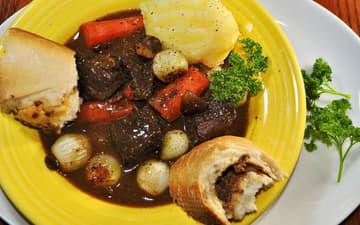
Restaurant menus rarely flag every wine reduction. Phrases like “burgundy sauce,” “marsala chicken,” “coq au vin,” “wine-braised,” or “champagne vinaigrette” (when made with sparkling wine rather than vinegar) are signals to ask. Bakery items soaked in wine syrup, chocolate truffles with wine ganache, and poached pears in red wine are common dessert problems. “The alcohol cooked off” is not a Halal certificate.
Hotel buffets and cruise dining often use wine in gravies without listing it on the guest card. Ask the chef or steward directly. Non-alcoholic grape juice is Halal and is the correct substitute when a recipe only needs fruit acidity and body—do not assume “grape” on a menu means juice.
Substitutes when a recipe calls for wine
| Recipe role | Practical Halal swap |
|---|---|
| Deglazing / stew acidity | Grape juice, stock, vinegar (small amount), lemon |
| Risotto liquid | Extra stock and a splash of grape juice |
| Dessert poaching | Spiced grape juice or sugar syrup with citrus |
| Formal toast | Sparkling grape juice or other 0.0% drinks |
Realistic verification
- If the bottle or glass is wine, do not drink it.
- At restaurants, order dishes confirmed wine-free.
- Treat cooking wine like wine, not like vinegar.
- For vinegar-based dressings, verify you were served vinegar—not wine.
How to verify
Check labels carefully for alternate names or derivatives linked to wine, and choose clearly Halal or plant-based alternatives instead.
Frequently asked questions
Is red wine more Haram than white wine?
Does wine burn off when used in cooking?
Is dealcoholized or 0.0% wine Halal?
What about wine vinegar in salad dressing?
Can Muslims work in restaurants that serve wine?
Sources
Named Islamic, certifier, manufacturer, and regulatory sources used on this page. Inline markers like [1] jump here. Retrieval dates show when we last checked the live URL. Editorial methodology.
Islamic / scriptural
-
Retrieved
-
IslamQA 7327 — Why is alcohol haram?
IslamQA Retrieved
Intoxicants are khamr and haram; wine/alcohol prohibition framing.
-
IslamQA 148690 — khamr with alcohol removed
IslamQA Retrieved
Dealcoholized wine still needs residual-alcohol / process scrutiny.
-
Qur’anic text Retrieved
O you who believe, indeed intoxicants, gambling, sacrificing on stone alters, and divining arrows are but defilement from the work of Satan, so avoid it.
Regulatory / labelling
-
Retrieved
Halal-conscious recipes
A substitution-led recipe that uses this analysis.