
What decides the answer
-
Plain carbonated, sparkling, or soda water
Halal -
Carbonated water in a soft drink
judge the drink's other ingredients -
Flavoured sparkling water
check the flavourings and sweeteners -
Naturally fermented fizzy drinks (kombucha, some ginger beers)
a different question entirely
Where you'll find it
- The base of colas and lemonades
- Plain and flavoured sparkling water
- Tonic water and mixers
- Soda water in cafés and restaurants
- Home carbonation machines
Why this ruling
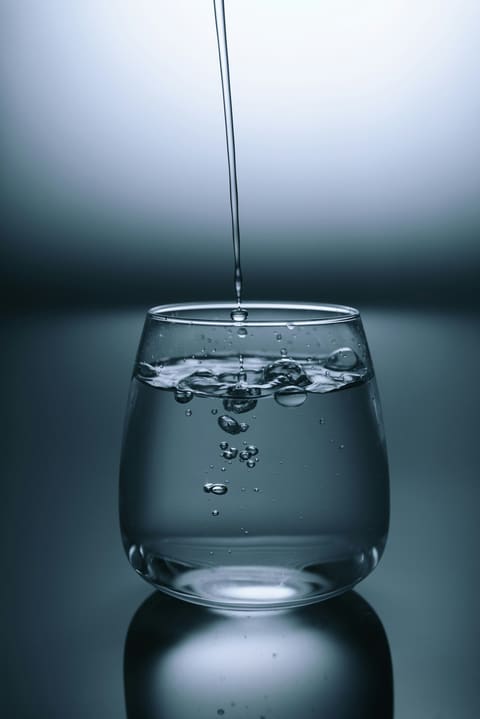
Nearly every soft drink on the shelf opens with the same ingredient, and it is almost never the one worth worrying about. Carbonated water is drinking water with carbon dioxide dissolved into it under pressure — that is the whole substance.
Why the fizz is not the question
The hesitation some shoppers feel comes from an association between bubbles and fermentation — and fermentation is a real fiqh question, because it can produce ethanol.
But carbonation is not fermentation:
- Carbonation is physical. Carbon dioxide is forced into the liquid under pressure and comes back out as bubbles when you open the bottle. Nothing is metabolised. No alcohol is produced.
- Fermentation is biological. Yeasts or bacteria consume sugars, and ethanol can be a by-product.
Both make a drink fizzy. Only one of them raises a question. Reasoning from bubbles to a ruling gets it wrong in both directions — which is why kombucha needs its own analysis while soda water does not.
The two components
Water needs no argument. It is the paradigm case of a pure and permissible substance.
Carbon dioxide is a regulated food additive, carried in the EU system as E290. Under the European Commission's framework, only additives whose proposed uses have been assessed as safe appear on the EU list, following review by the Scientific Committee on Food and/or EFSA (European Commission — Additives, retrieved 25 August 2026).[1] It is an industrial gas with no animal origin and no intoxicating property. The same gas used as a packaging flush is covered on the packaging gases page.
What the scholars actually addressed
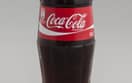
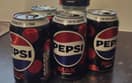
IslamQA 102749 answers a questioner asking whether rumours about pig derivatives in drinks like Pepsi are true. The ruling places these drinks squarely among the permissible: “All of these fizzy drinks such as Pepsi-Cola, 7-Up, Coca-Cola, and so on, come under the heading of permissible drinks that Allah has permitted to us” (IslamQA 102749, retrieved 25 August 2026).[2]
Note what the answer spends its attention on: alcohol used as a solvent for ingredients, whether pepsin might be pig-derived, and alleged health risks. The carbonation gets no separate treatment at all — because there was nothing to treat.
Read past the first line
The practical value of this page is negative information: carbonated water resolves, so move on. On a typical cola the questions sit below it —
- Colours — caramel colour is generally fine, but it is a separate entry.
- Sweeteners — aspartame and acesulfame K each have their own page.
- Acids — phosphoric and citric acid are regulated acidulants.
- Flavourings — the genuinely opaque one, since a collective declaration hides its components.
Flavoured sparkling waters follow the same rule. The water and the fizz are settled; whatever gives it the taste of raspberry or lime is not, until you check it.
How to verify
- Treat carbonated water, sparkling water, and soda water as Halal.
- Read past it—the first ingredient is rarely the one that matters.
- On flavoured sparkling water, check the flavourings and any sweetener.
- Do not confuse carbonation with fermentation: naturally fermented fizzy drinks are a separate question.
Quick checks
- Carbonated, sparkling, and soda water are all Halal.
- Carbonation is physical, not fermentation—it makes no alcohol.
- Read past the first ingredient; the questions are further down.
Frequently asked questions
Is carbonated water Halal?
Does carbonation produce alcohol?
Is sparkling water the same as soda water or seltzer?
Carbonated water is the first ingredient on my drink—am I done checking?
What about kombucha or ginger beer, which are also fizzy?
Scholarly view
Carbonation is a physical dissolution, not a biological one. Pressurised carbon dioxide goes into the water and comes back out as bubbles when the pressure drops; nothing is fermented, and no ethanol is produced. That distinction matters, because the intuition that fizzy means fermented is what makes some shoppers hesitate.
Water is the paradigm case of a pure, permissible substance, and carbon dioxide is a regulated additive with no animal or intoxicant origin. IslamQA 102749, answering a question about rumoured pig derivatives in fizzy drinks, treats Pepsi-Cola, 7-Up, Coca-Cola and the like as falling under permissible drinks, and its analysis addresses alcohol as a solvent, pepsin sourcing, and health claims—never the carbonation.
The fizz was not the issue for the scholars, and it is not the issue on the label.
Sources
Named Islamic, certifier, manufacturer, and regulatory sources used on this page. Inline markers like [1] jump here. Retrieval dates show when we last checked the live URL. Editorial methodology.
Islamic / scriptural
-
IslamQA 102749 — Ruling on fizzy drinks
IslamQA Retrieved
Answers a question about rumoured pig derivatives in fizzy drinks. Treats Pepsi-Cola, 7-Up, Coca-Cola and similar as permissible drinks, analysing alcohol solvents, pepsin sourcing and health claims. Carbonation itself receives no separate prohibition.
Regulatory / labelling
-
European Commission Retrieved
Sets out that only additives whose proposed uses were assessed as safe appear on the EU list, following review by the Scientific Committee on Food and/or EFSA. Establishes that carbon dioxide is a regulated, authorised additive—not a Halal ruling.
People also check
Related ingredients and products for this item.