
Is Kombucha Halal?
Scholars differ on this one.
Kombucha is sweetened tea fermented with a SCOBY (bacteria and yeast).
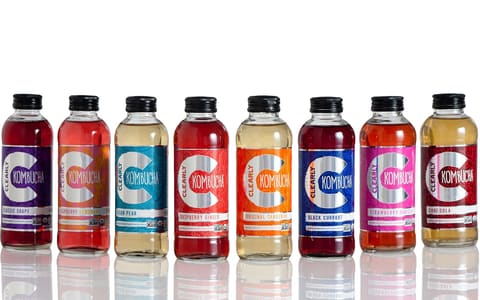
Photo: Wikibooch · CC BY-SA 4.0
Scholarly differences
The fiqh hinge is ethanol in a beverage. Classical khamr rules target intoxicants. Many contemporary scholars are cautious about drinks that intentionally ferment sugar into alcohol even at low ABV; others analogise tightly controlled commercial non-alcoholic ferments to negligible processing remnants.
Because bottles and homebrews vary, and because ‘hard kombucha’ is openly alcoholic, IsItHalal keeps the category Scholarly difference and asks readers to follow a trusted scholar plus the label.
What decides the answer
-
Homebrew with unknown ABV
treat as Scholarly difference / avoid if strict -
Non-fermented tea (plain tea, iced tea)
not this page’s issue -
Commercial low-ABV kombucha
Scholarly difference; follow your scholar and ABV disclosure -
Hard kombucha / alcoholic kombucha
Haram
How to verify
- Read the label for alcohol % / ‘contains alcohol’ statements and any added spirits.
- Prefer brands that publish third-party ABV testing and keep product under your scholar’s threshold—or avoid fermented tea drinks if your standard rejects any ethanol.
- Treat hard kombucha (explicitly alcoholic) as Haram like other boozy drinks.
- Homebrew batches are harder to control—assume Scholarly difference unless you measure ABV and follow a clear fatwa.
Why this ruling
Kombucha is sweetened tea fermented with a SCOBY—a symbiotic culture of bacteria and yeast. The culture eats sugar and produces organic acids, carbonation, and ethanol. The drink is tart, lightly fizzy, and sold refrigerated in grocery “functional beverage” aisles. The Halal question is not whether tea leaves are Halal—they are—but whether a sip-ready ferment with residual alcohol fits your scholarly standard.
Why scholars differ
Commercial producers in the US often target alcohol under about 0.5% ABV so the product can be sold as non-alcoholic under TTB/FDA framing for beverages (see alcohol and labelling context via TTB and FDA Food, retrieved 20 July 2026). That regulatory line is not a classical Islamic threshold. Batches can drift higher if fermentation continues in the bottle. Homebrew jars are even less controlled. Because sincere scholars give different practical answers on low-ABV ferments, IsItHalal does not stamp every kombucha Halal.
| Product | Typical Halal read on this site |
|---|---|
| Hard kombucha (alcoholic) | Haram |
| Grocery “non-alcoholic” kombucha with residual ethanol | Scholarly difference — scholar + label |
| Plain tea / herbal tea (not SCOBY-fermented) | Outside this page; generally Halal |
| Kombucha vinegar (fully acetified condiment) | Follow vinegar if truly vinegar |
Hard kombucha vs soft bottles
Hard kombucha is marketed like craft beer—higher ABV, often in the alcohol aisle. Treat it as sake/beer-class intoxicating drink: Haram. Soft grocery kombucha is the grey zone: tea branding, probiotic marketing, and small ethanol. Fruit flavours, ginger, and “zero sugar” lines do not remove fermentation alcohol; they only change taste and sweeteners.
Not the same as vinegar or soy sauce
- Vinegar — ethanol is converted to acetic acid; majority takhallul ruling applies to finished vinegar.
- Soy sauce — condiment ferment; debate centers on added spirits vs brewing traces.
- Kombucha — you drink the ferment as a beverage while ethanol remains.
Do not copy-paste a vinegar fatwa onto a kombucha bottle without checking whether acetification finished and whether the product is sold as vinegar.
Homebrew caution
Home SCOBY jars vary with temperature, time, and sugar. Without a hydrometer or lab test, you cannot honestly claim “0.0%.” If your household standard rejects any drink ethanol, skip homebrew kombucha. If a scholar permits only tested commercial products under a stated ABV, follow that—not social-media “it’s basically tea” posts.
Realistic verification
- Reject anything labelled hard kombucha or sold as an alcoholic beverage.
- For soft bottles, read alcohol disclosures and brand FAQs.
- Ask your local scholar how they treat low-ABV fermented drinks.
- Prefer non-fermented iced tea when you want zero ambiguity.
- Re-check when a brand changes “brewed longer” or barrel-aged marketing.
Where you'll find it
- Bottled refrigerated ‘health’ tea drinks
- Flavoured fruit and ginger kombuchas
- Home-fermented SCOBY tea
- Hard kombucha alcoholic beverages
Frequently asked questions
Is kombucha Halal?
Is under 0.5% ABV automatically Halal?
Is hard kombucha different?
What about vinegar vs kombucha?
Can I drink flavoured grocery kombucha?
Sources
Named Islamic, certifier, manufacturer, and regulatory sources used on this page. Inline markers like [1] jump here. Retrieval dates show when we last checked the live URL. Editorial methodology.
Islamic / scriptural
-
Darul Iftaa Chicago — kombucha alcohol ruling
IslamQA.org (Hanafi) Retrieved
Permits typical store-bought <0.5% kombucha under stated conditions; hard kombucha impermissible; caution on homebrew.
-
IslamQA 146710 — Is kombucha Halal?
IslamQA Retrieved
Very low non-intoxicating alcohol does not make kombucha haram on that basis.
-
IslamWeb 338350 — consuming kombucha tea
IslamWeb Retrieved
Baseline permissibility with fermentation/transformation caveats; homebrew caution.
Regulatory / labelling
-
Retrieved
-
Retrieved
-
TTB — malt beverage alcohol content labelling (US)
U.S. TTB Retrieved
US labelling context for non-alcoholic / alcohol-free descriptors (not an Islamic threshold).
People also check
Related ingredients and products for this item.
Browse this topic
Open the parent category hub for more foods in the same group.