

Topic hub
Certification-sensitive foods
Some foods are not simply Halal or Haram by name—the deciding factor is who made them and how. This hub collects items that commonly need a Halal mark, manufacturer confirmation, or country-specific checks.
Look for a recognized Halal logo, then confirm it matches the exact product. If certification is missing, ask about animal enzymes, gelatin sources, alcohol processing, and shared lines before assuming the general ingredient ruling applies.
Status overview
How foods in this topic break down by Halal ruling.
- Halal 69
- Haram 13
- Halal if verified 146
- Market-dependent 69
- Scholarly difference 10
Foods in this topic
307 items All topics
- Agar-Agar Halal
- Airheads Halal if verified
- Angus Steakhouse Market-dependent
- Apple Juice Halal
- Aptamil Market-dependent
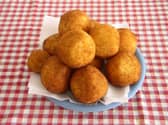
- Arancini Halal if verified
- Arepas Halal
- Ashwagandha supplements Halal if verified
- ASK Italian Haram
- Australian supermarket chicken Market-dependent
- Babybel Halal
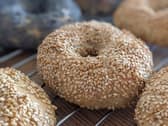
- Bagels Halal
- Baguette Halal
- Baklava Halal if verified
- Bakso Halal if verified
- Banana Tree Market-dependent
- BBQ sauce Halal if verified
- Beef Gelatin Halal if verified
- Belgian Waffles Halal if verified
- Bella Italia Halal if verified
- Bibimbap Halal if verified
- Biryani Halal if verified
- Bleecker Burger Market-dependent
- Blue Bell Halal if verified
- Bougatsa Halal if verified
- Boxty Halal if verified
- Bread Halal
- Brownies Halal
- Bunsik Halal if verified
- Burger & Beyond Market-dependent
- Butter Halal
- Cadbury Market-dependent
- Cake Box Halal
- Cakes Halal if verified
- Caramel Halal if verified
- Carbonated Water Halal
- Casein Halal
- Celsius energy drink Halal if verified
- Cheese Halal if verified
- Cheetos Market-dependent
- Cherry Ripe Halal if verified
- Chipotle Market-dependent
- Chips Ahoy! Halal if verified
- Chocolate Halal
- Chopstix Market-dependent
- Churros Halal if verified
- Clinkers Halal if verified
- Cocoa Halal
- Coffee Halal
- Colcannon Halal
- Collagen Halal if verified
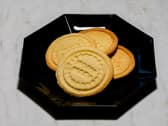
- Cookies Halal
- Cool Whip Halal if verified
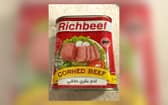
- Corned beef Market-dependent
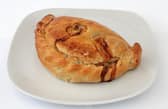
- Cornish Pasty Halal if verified
- Cornstarch Halal
- Couscous Halal if verified
- Cream Halal
- Crêpes Halal if verified
- Crimson Coward Market-dependent
- Croissants Halal if verified
- Culurgiones Halal if verified
- Cup Noodles Market-dependent
- Dairy Milk Halal if verified
- Dakos Halal
- Dark Chocolate Halal
- Deli meat (sliced cooked meats) Market-dependent
- Döner Kebab Halal if verified
- Doritos Market-dependent
- Doughnuts Halal if verified
- Dubai Chocolate Market-dependent
- Dumplings Halal if verified
- E471 (Mono- and Diglycerides) Halal if verified
- Eggs Halal
- Eggstatic Market-dependent
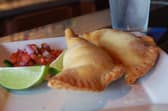
- Empanadas Halal if verified
- Energy Drinks Halal
- Falafel Halal
- Farmer Focus chicken Scholarly difference
- Ferrero Rocher Market-dependent
- Figolla Halal if verified
- Fish and Chips Halal if verified
- Fish Gelatin Scholarly difference
- Fish Sauce Halal
- Flaounes Halal if verified
- Flat Iron Haram
- Fogo de Chão Market-dependent
- Franco Manca Market-dependent
- Frankie & Benny's Halal if verified
- Frive Market-dependent
- Fruittella Halal if verified
- Ftira Halal
- Funyuns Halal if verified
- Galaxy Market-dependent
- Gatorade Halal if verified
- GDK (German Doner Kebab) Market-dependent
- Gelatin Halal if verified
- Gelato Halal if verified
- Ghee Halal
- Glycerin (Glycerol, E422) Halal if verified
- Gousto Halal if verified
- Grana Padano Scholarly difference
- Graviera Halal if verified
- Grill'd Market-dependent
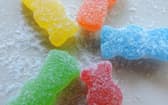
- Gummy Bears Halal if verified
- Gushers Halal if verified
- Halloumi Halal if verified
- Haribo Market-dependent
- Harvey's Halal if verified
- Heinz Market-dependent
- HelloFresh Halal if verified
- Hershey's Market-dependent
- Hi-Chew Haram
- Honey Halal
- Hot Dogs Halal if verified
- Houston TX Hot Chicken Market-dependent
- Hovis Halal
- Ice Cream Halal if verified
- Imqaret Halal if verified
- Inghams Market-dependent
- itsu Halal if verified
- Jack Link's Market-dependent
- Jell-O Halal if verified
- Jelly Beans Halal if verified
- Jollof Halal if verified
- Jolly Rancher Halal if verified
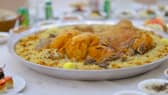
- Kabsa Halal if verified
- Kalitsounia Halal if verified
- Kellogg's Market-dependent
- Ketchup Halal
- Kettle Chips Market-dependent
- Kimchi Halal if verified
- Kinder Bueno Halal
- KitKat Market-dependent
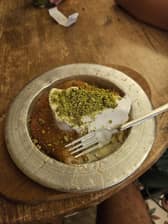
- Knafeh Halal if verified
- Kombucha Scholarly difference
- L-Cysteine Halal if verified
- Lab-grown meat Halal if verified
- Lampuki Pie Halal if verified
- Las Iguanas Halal if verified
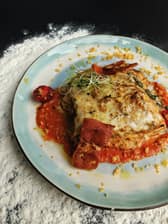
- Lasagna Halal if verified
- Lay’s Market-dependent
- Lecithin Halal if verified
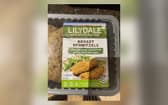
- Lilydale Free Range Chicken Market-dependent
- Lindt Market-dependent
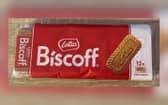
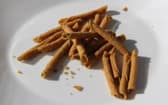
- Lotus Biscoff Halal
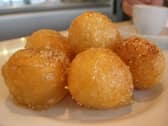
- Loukoumades Halal if verified
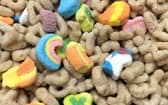
- Lucky Charms Halal if verified
- Luqaimat Halal if verified
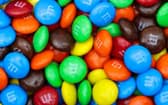
- M&Ms Market-dependent
- Mac and cheese Halal if verified
- Machboos Halal if verified
- Magnum Market-dependent
- Malloreddus Halal if verified
- Maltesers Market-dependent
- Maoam Haram
- Mapo Tofu Halal if verified
- Margarine Halal if verified
- Marmite Halal
- Mars Market-dependent
- Marshmallows Halal if verified
- Mary Brown's Market-dependent
- Mayonnaise Halal
- Meat Pie Halal if verified
- Megan's Market-dependent
- Menemen Halal
- Mentos Halal if verified
- Milk Halal
- Milky Way Market-dependent
- Miller & Carter Haram
- Mole Halal if verified
- Monster Energy Halal if verified
- Mott's Halal
- Moussaka Halal if verified
- Müller Corner Halal if verified
- Mushroom supplements Halal if verified
- Mustard Halal
- Myprotein Market-dependent
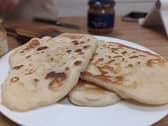
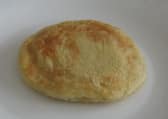
- Naan Halal if verified
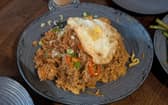
- Nasi Goreng Halal if verified
- Natural Flavors Halal if verified
- NAYA Halal if verified
- Nerds Scholarly difference
- Non Alcoholic Beer Scholarly difference
- Nutella Halal
- Oishi Market-dependent
- Oodles Wok Market-dependent
- Oporto Market-dependent
- Optimum Nutrition Halal if verified
- Oreos Market-dependent
- Oyster Sauce Scholarly difference
- Pad Thai Halal if verified
- Paella Halal if verified
- Palm Oil Halal
- Pane Carasau Halal
- Paneer Halal if verified
- Panettone Halal if verified
- Parmesan Scholarly difference
- Pasta Halal if verified
- Pastéis de Nata Halal
- Pastilla Halal if verified
- Pastizzi Halal if verified
- Pastries Halal
- Peeps Haram
- Pepsin Halal if verified
- Percy Pig Halal
- Pesto Halal if verified
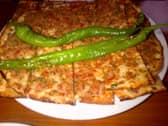
- Pide Halal if verified
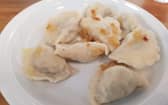
- Pierogi Halal if verified
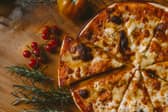
- Pizza Halal if verified
- Pizza Express Halal if verified
- Pizza Pizza Halal if verified
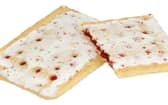
- Pop-Tarts Halal if verified
- Poulet Rouge Market-dependent
- Poutine Halal if verified
- Prebiotics Halal
- Pretzel Halal if verified
- Prezzo Haram
- Pringles Market-dependent
- Probiotics Halal if verified
- Protein bars Market-dependent
- Qassatat Halal if verified
- Quorn Market-dependent
- Red Bull Halal
- Red Rooster Market-dependent
- Rendang Halal if verified
- Rennet Scholarly difference
- Risotto Halal if verified
- Root Beer Halal
- Rowntree's Halal if verified
- Sahlab Halal if verified
- Salt Halal
- Samosas Halal if verified
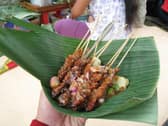
- Satay Halal if verified
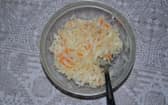
- Sauerkraut Halal
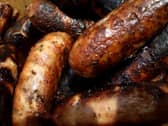
- Sausage Halal if verified
- Seadas Halal if verified
- Seitan Halal
- Shake Shack Market-dependent
- Shakshuka Halal
- Shawarma Halal if verified
- Shazans Market-dependent
- Shellac Halal
- Shin Ramyun Market-dependent
- Shortening Halal if verified
- Simit Halal
- Simmer Eats Market-dependent
- Skittles Market-dependent
- Skyr Halal
- Smarties Halal if verified
- Smørrebrød Halal if verified
- Snickers Market-dependent
- Soda Bread Halal
- Sour Patch Kids Market-dependent
- Soy Sauce Halal if verified
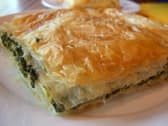
- Spanakopita Halal if verified
- Spätzle Halal if verified
- Squashies Haram
- Starburst Market-dependent
- Steggles Market-dependent
- Stock cubes Halal if verified
- Sugar Halal
- Sunflower Oil Halal
- Sushi Halal if verified
- Swedish Fish Halal if verified
- Swizzels Halal if verified
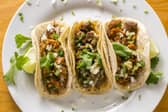
- Tacos Halal if verified
- Tagine Halal if verified
- Takis Market-dependent
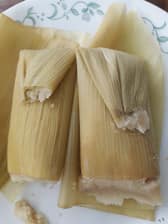
- Tamales Halal if verified
- Taurine Halal if verified
- Tea Halal
- Tempeh Halal
- Tempura Halal if verified
- Teriyaki Sauce Halal if verified
- Texas de Brazil Haram
- TGI Fridays Haram
- Tillamook Halal if verified
- Tim Hortons Market-dependent
- Timpana Halal if verified
- Tiramisu Halal if verified
- Toblerone Market-dependent
- Toby Carvery Haram
- Tofu Halal
- Tomato Halal
- Tortilla (restaurant) Halal if verified
- Tortilla Española Halal
- Turkey Bacon Market-dependent
- Twix Market-dependent
- Twizzlers Halal if verified
- Tzatziki Halal if verified
- UK supermarket meat Market-dependent
- Vanilla Extract Scholarly difference
- Vegemite Halal
- Vegetable Oil Halal
- Wall's ice cream Halal if verified
- Warburtons Market-dependent
- Welch's Fruit Snacks Haram
- Wheat Flour Halal
- Whey Powder Halal if verified
- White Chocolate Halal
- Worcestershire Sauce Halal if verified
- Yeast Halal
- Yeast Extract Halal
- Yogurt Halal
- Yorkshire Pudding Halal if verified
- Zizzi Haram





No foods match this filter.
Photo credits
- 円周率3パーセント (Enshuritsu 3 percent) · CC BY-SA 4.0
- Open Food Facts contributors · CC BY-SA 3.0
- Metoc · CC BY-SA 3.0
- Open Food Facts contributors · CC BY-SA 3.0
- botaneek · CC BY-SA 4.0
- Shisma · CC BY 4.0
- Friedrich Haag · CC BY-SA 4.0
- Qaedi Shamsuddin · CC BY 2.0
- Joey Doll · CC BY 2.0
- Ineffablebookkeeper · CC BY-SA 4.0
- Bex.Walton · CC BY 2.0
- Konstantinos Stampoulis (Geraki) · CC BY-SA 2.5
- FranHogan · CC BY-SA 4.0
- see Commons · CC BY-SA 3.0
- Tiia Monto · CC BY-SA 3.0
- audinou from Paris, France · CC BY 2.0
- Open Food Facts contributors · CC BY-SA 3.0
- JeepersMedia · CC BY 2.0
- Open Food Facts contributors · CC BY-SA 3.0
- David Zarco · CC BY-SA 4.0
- blair · CC BY-SA 2.0
- Dietmar Rabich · CC BY-SA 4.0
- Open Food Facts contributors · CC BY-SA 3.0
- Achiri Bitamsimli · CC BY-SA 4.0
- בר · CC BY-SA 3.0
- Open Food Facts contributors · CC BY-SA 3.0
- Mohammed Moosa from UK · CC BY 2.0
- Jacek Halicki · CC BY-SA 4.0
- Open Food Facts contributors · CC BY-SA 3.0
- Anton Porsche · CC BY 4.0
- Larry D. Moore · CC BY 4.0
- stu_spivack · CC BY-SA 2.0
- AlienFood · CC BY-SA 4.0
- Open Food Facts contributors · CC BY-SA 3.0
- Mx. Granger · CC BY-SA 4.0
- Alpha · CC BY-SA 2.0
- Open Food Facts contributors · CC BY-SA 3.0
- Kritzolina · CC BY-SA 4.0
- No machine-readable author provided. Ustas~commonswiki assumed (based on copyright claims). · CC BY-SA 3.0
- Open Food Facts contributors · CC BY-SA 3.0
- rjw1 · CC BY-SA 2.0
- Flickr: shiraga · CC BY 2.0
- Phadke09 · CC BY-SA 4.0
- Lauri Rantala · CC BY 2.0
- avlxyz · CC BY-SA 2.0
- Open Food Facts contributors · CC BY-SA 3.0
- Hmioannou · CC BY 3.0
- SunOfErat · CC BY 3.0
- Willis Lam · CC BY-SA 2.0
- Open Food Facts contributors · CC BY-SA 3.0
- Merdal at Turkish Wikipedia · CC BY-SA 3.0
- Open Food Facts contributors · CC BY-SA 3.0
- Open Food Facts contributors · CC BY-SA 3.0
- Tim Reckmann from Hamm, Deutschland · CC BY 2.0
- Maame1Yaa · CC BY-SA 4.0
- Mene Tekel · CC BY 2.0
- Sammy Six · CC BY 2.0
- Th78blue · CC BY-SA 4.0
- Kim Holger Kelting · CC BY 4.0
- Johannes Barre, iGEL · CC BY-SA 3.0
- Open Food Facts contributors · CC BY-SA 3.0
- Famartin · CC BY-SA 4.0
- Wikibooch · CC BY-SA 4.0
- Wald1siedel · CC BY-SA 4.0
- Open Food Facts contributors · CC BY-SA 3.0
- Open Food Facts contributors · CC BY-SA 3.0
- Flickr.com user "avlxyz" · CC BY-SA 2.0
- Famartin · CC BY-SA 4.0
- Chris Woodrich · CC BY-SA 4.0
- Dana Club Doha @ YouTube · CC BY 3.0
- Open Food Facts contributors · CC BY-SA 3.0
- Sichuanfoodlover · CC BY-SA 4.0
- Famartin · CC BY-SA 4.0
- TheJackal · CC BY-SA 3.0
- Stacy Spensley · CC BY 2.0
- davidsilver · CC BY-SA 2.0
- E4024 · CC BY-SA 4.0
- NIAID · CC BY 2.0
- Pabliotecario · CC BY-SA 4.0
- Oto Zapletal · CC BY-SA 4.0
- Open Food Facts contributors · CC BY-SA 3.0
- Fotograf: Dieter Mueller (dino1948) Kamera: de:Nikon 885 · CC BY-SA 3.0
- Open Food Facts contributors · CC BY-SA 3.0
- Ravi Dwivedi · CC BY-SA 4.0
- JIP · CC BY-SA 4.0
- diongillard · CC BY 2.0
- Open Food Facts contributors · CC BY-SA 3.0
- Gossipguy · CC BY-SA 3.0
- Rare Grace · CC BY-SA 4.0
- Nithyasrm · CC BY-SA 4.0
- N i c o l a from Fiumicino (Rome), Italy · CC BY 2.0
- scott1346 · CC BY 2.0
- Photo Claude TRUONG-NGOC · CC BY-SA 3.0
- Kritzolina · CC BY-SA 4.0
- Open Food Facts contributors · CC BY-SA 3.0
- AlfonsoLucifredi · CC BY-SA 4.0
- Caroline Ford · CC BY-SA 3.0
- Maksym Kozlenko · CC BY-SA 4.0
- ell brown · CC BY 2.0
- Evan-Amos · CC BY-SA 3.0
- jlwelsh · CC BY 2.0
- Jumbocombo0811 · CC BY-SA 4.0
- Open Food Facts contributors · CC BY-SA 3.0
- Kritzolina · CC BY-SA 4.0
- Open Food Facts contributors · CC BY-SA 3.0
- Oto Zapletal · CC BY-SA 4.0
- Matthew Paul Argall · CC BY 2.0
- Midori · CC BY 3.0
- PixelBrûlé · CC BY-SA 4.0
- Alheding · CC BY-SA 3.0
- Maor X · CC BY-SA 4.0
- Arnold Gatilao from Oakland, CA, USA · CC BY 2.0
- Gunawan Kartapranata · CC BY-SA 3.0
- Eugene Zelenko · CC BY-SA 4.0
- 彩色琪子 · CC BY-SA 3.0
- Tomasz Sienicki [user: tsca, mail: tomasz.sienicki at gmail.com] · CC BY 4.0
- jack dorsey · CC BY 2.0
- Open Food Facts contributors · CC BY-SA 3.0
- Jeffrey W. Lotz · CC BY 3.0
- Open Food Facts contributors · CC BY-SA 3.0
- DanielPenfield · CC BY-SA 4.0
- see Commons · CC BY-SA 3.0
- Renee Huggins · CC BY 2.0
- Famartin · CC BY-SA 4.0
- Jim Lukach · CC BY 2.0
- Upupa4me · CC BY-SA 2.0
- Bodhi Peace · CC BY-SA 4.0
- Alpha · CC BY-SA 2.0
- Kobako · CC BY-SA 2.5
- Open Food Facts contributors · CC BY-SA 3.0
- Open Food Facts contributors · CC BY-SA 3.0
- Rainer Z ... · CC BY-SA 3.0
- Lauri Andler (Phantom) · CC BY-SA 3.0
- torange.biz · CC BY 4.0
- Matthew Bellemare · CC BY-SA 3.0
- Ridouan Red · CC BY-SA 4.0
- Usernet123u · CC BY-SA 4.0
- Flickr.com user "Blue Lotus" · CC BY 2.0
- Open Food Facts contributors · CC BY-SA 3.0
- NNECAPA · CC BY 2.0
- Navneet Sharma · CC BY-SA 4.0
- George Gillams from Southampton, UK · CC BY-SA 2.0
- Joey Doll · CC BY 2.0
- Famartin · CC BY-SA 4.0
- Marieke Kuijjer · CC BY-SA 2.0
- Sunil Elias · CC BY-SA 3.0
- Open Food Facts contributors · CC BY-SA 3.0
- Ph scale 56 · CC BY-SA 4.0
- Dimitri “Diti” Torterat · CC BY 2.0 fr
- Sara Thomas · CC BY-SA 4.0


Frequently asked questions
What does a Halal certificate cover?
A certificate covers a named product or premises, made at a named site, for a set period. It means an auditor checked the ingredients, the slaughter where relevant, and the separation from non-Halal material. It does not carry over to the same brand made in another factory or country.
How do I check a Halal logo is real?
Look for the certifier's name, not just the word Halal, then check that body's online directory for the company or product. National bodies such as JAKIM in Malaysia publish searchable lists. A logo with no named certifier, or an expired certificate, proves nothing.
Is a product Halal without a logo?
It can be. Many products are Halal by their ingredients, such as plain vegetables, oils, flour or sugar, and need no certificate. A logo matters most where the source is hidden: meat, gelatin, emulsifiers, flavourings and anything made on shared lines.
Related topics
Explore connected ingredients, regions, and certification guidance.