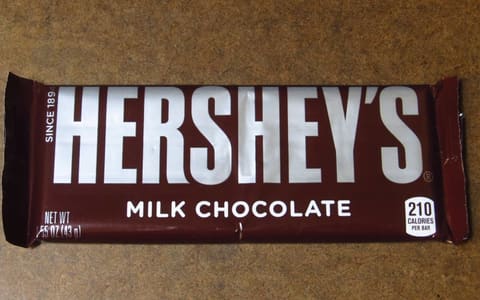
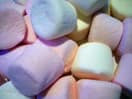
Hershey’s is The Hershey Company’s flagship American chocolate line—milk bars, Special Dark, Kisses, syrups, and a long list of seasonal novelties. There is no single Halal answer for every Hershey’s product. Plain chocolate and gelatin-filled confectionery are different files that share a logo.
Plain bars vs filled products
Plain milk and dark bars usually list cocoa mass/butter or chocolate, sugar, milk ingredients, soy lecithin, and vanillin or natural flavor. That pattern contains no pork gelatin. Many Muslims who accept Western chocolate by ingredient analysis eat these bars. Consumers who require a Halal logo will still walk past uncertified US retail.
Filled and novelty products are where status collapses into gelatin and colouring rules: marshmallow centers, some caramels, cookie hybrids, and pink/red seasonals (carmine risk). A safe plain bar does not vouch for a marshmallow Santa.
Brand / label evidence (retrieved 20 July 2026)
Hershey’s publishes product information and ingredient disclosures through its official site and SmartLabel entries for individual UPCs—start from Hershey’s and open the specific product’s ingredient panel (retrieved 20 July 2026). Because formulas differ by product, the panel for the UPC in your hand is the evidence.
The plain bar, item by item. The US milk chocolate bar lists "sugar; milk; chocolate; cocoa butter; milk fat; lecithin (soy); PGPR; natural flavor" [6]. Hershey's FAQ says PGPR "is made from natural ingredients such as castor beans, soybean oil and sunflower oil" [4], so both emulsifiers are plant-based; see E476. Hershey says "nearly all of our chocolate products" are certified kosher by the OU [5]. Kosher certification is not Halal certification, and Hershey's US pages make no Halal claim.
Import markets. Hershey’s products sold into Gulf states or Malaysia may pass local import or retailer Halal controls. That helps that pack; it does not rewrite the Pennsylvania factory’s US certification posture.
Practical verification
- Plain bar → ingredient skim; usually no gelatin.
- Anything filled → check it until the label is clear.
- Syrup and baking chips → separate checks.
- When in doubt, buy Halal-certified chocolate from markets that audit confectionery.
Kisses, chips, and syrup in more detail. Plain milk chocolate Kisses are miniature plain bars for Halal purposes. Holiday Kisses with candy coatings or swirl fillings are not. Semi-sweet and milk chocolate chips used in cookies usually track the plain-bar analysis; mint or special baking melts can add oils and flavours worth a skim. Chocolate syrup for cold milk is often cocoa, sugar, and emulsifiers—still read for novelty flavours. Hot-cocoa mixes are a different product class (dairy powders, marshmallows) and should not inherit a bar ruling.
Reese’s and other Hershey-owned brands. In the US, Hershey markets Reese’s, KitKat (US), and other labels under the same corporate umbrella. Peanut-butter cups and wafer bars each need their own ingredient pass; corporate ownership does not unify Halal certification. Treat those as separate food pages or label checks.
Why Market-dependent is fairer than Halal. Calling the entire brand Halal would mislead shoppers who grab a gelatin-filled seasonal item. Calling it Haram would mislead shoppers whose school accepts plain Western milk chocolate by ingredients. The brand portfolio only works if you verify the specific product in hand.
Travel and duty-free. Airport Hershey’s multipacks are convenient and usually the same US formulas. Do not treat a Halal-marked chocolate sold beside them in a Gulf duty-free as proof about the Hershey bar in your hand—read each wrapper. If you need certified American-style milk chocolate, look for brands that print a recognised Halal logo rather than hoping Hershey’s US retail will add one.
Bottom line: Hershey’s is Market-dependent — each product and market pack can differ. Plain chocolate is the optimistic case; gelatin fillings and certification preference are why the brand page cannot say blanket Halal.