
Are Cookies Halal?
Yes — this one is Halal.
Cookies are Halal in their basic form (flour, sugar, fat, eggs).
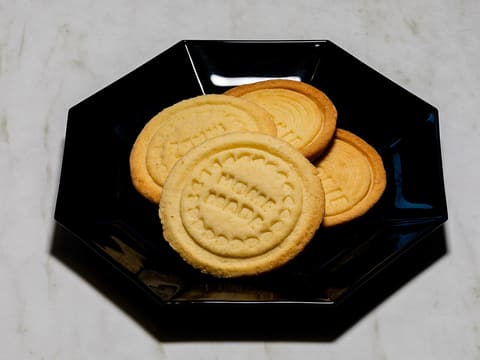
Photo: Dietmar Rabich · CC BY-SA 4.0
What decides the answer
-
Plain dough (flour, sugar, butter/oil, eggs)
Halal -
Gelatin, pork enzymes, or alcohol-heavy extracts
avoid -
Unpackaged bakery goods
ask about fat and shared equipment if strict -
Branded cookies
check that product
Where you'll find it
- Chocolate chip and oatmeal cookies
- Packaged sandwich biscuits
- Bakery counter cookies
- Ice cream sandwiches and crumb crusts
Why this ruling
Cookies (sweet biscuits in some dialects) are small baked goods of flour, sugar, and fat, often with eggs, chocolate, nuts, or spices. The category is Halal with conditions: the dough pattern is permissible; a minority of industrial and bakery recipes introduce Haram or mashbooh extras.
What a Halal cookie usually looks like
| Component | Typical read |
|---|---|
| Flour, sugar, eggs | Halal |
| Butter or vegetable oil/shortening | Halal when fat source is clear |
| Chocolate chips / cocoa | Usually Halal; check lecithin on cheap chips |
| Nuts, oats, dried fruit | Halal |
| Gelatin marshmallow / jelly layers | Source problem |
| Rum, brandy, or wine extracts | Avoid |
| Lard or non-Halal animal shortening | Haram |
FDA baking and labelling resources cover ingredient declaration, not Islamic status (FDA labelling rules, retrieved 20 July 2026). Brand pages for major biscuits publish allergens and ingredients by market; they are not global Halal certificates.
Packaged vs bakery counter
Supermarket cookies make verification easier: the panel lists gelatin, E120, emulsifiers, and flavours. Sandwich biscuits and cream-filled products need the same attention as any emulsified candy. See also brand pages such as Oreo when that is the product you hold.
Bakery counters sell by sight. Ask: What fat is in the dough? Any alcohol in the extract? Shared trays with pork products? Halal-certified bakeries remove most of that ambiguity. In Malaysia, directory checks can use JAKIM’s Portal Halal / MYeHALAL (retrieved 20 July 2026).
Emulsifiers, colours, and flavourings
E471 and lecithin appear in many packaged cookies. Plant or synthetic sources are fine; animal sources without Halal audit are why some consumers prefer certified biscuits. Carmine is uncommon in brown cookies but appears in pink sandwich creams and holiday editions. Alcohol-based vanilla is a real industrial ingredient—home bakers can switch to alcohol-free vanilla; packaged goods should list “flavour” carefully when you are sensitive to that issue.
Home baking
Home cookies are the easiest Halal path: vegetable oil or known Halal butter, Halal chocolate, no gelatin toppers, alcohol-free extracts. Cookie dough sold refrigerated should still be read—some brands add emulsifiers or marshmallow bits.
Ice cream sandwiches, crumb crusts, and “cookie” desserts
Cookies rarely stay alone. Ice cream sandwiches add dairy emulsifiers and possible gelatin stabilisers in the ice cream. Crumb crusts for cheesecakes may use packaged cookies that contain emulsifiers you would not choose as a snack bar. Restaurant “cookie skillets” sometimes arrive with whiskey caramel or bacon bits as a special—ask before the skillet hits the table.
School bake sales and charity cookie trays are social, not certified. If you need certainty, bring a sealed Halal-marked pack or bake at home with known fats and alcohol-free extracts. Homemade dough frozen for later is still Halal when the ingredients were; contamination happens when the same scoop later touches a marshmallow gelatin mix.
Branded sandwich cookies (including Oreo-style products) deserve their own label read even though this category page is Halal-with-conditions. Cream fillings concentrate emulsifier and flavour questions. See the Oreo page when that is the product in your hand; do not assume every sandwich biscuit matches every other biscuit.
Realistic verification
- Category: cookie dough basics → Halal baseline.
- Packaged: full ingredient scan.
- Bakery: fat + extract + tray questions.
- Branded speciality → treat as its own product.
How to verify
- For packaged cookies, read the full ingredient list for gelatin, lard, alcohol flavour, carmine, and unclear emulsifiers.
- Prefer Halal-certified or clearly plant-based brands.
- At bakeries, ask about fat source and shared trays with pork products if you are strict.
- Treat each branded product (and each flavour) as its own product.
- Skip cookies listing wine, rum flavour, or pork gelatin.
Frequently asked questions
Are cookies Halal?
Do chocolate chip cookies need Halal certification?
Can cookies contain gelatin?
Is bakery cookie cross-contact a problem?
Why does this page link to the Arabic cakes page?
Scholarly view
English and Arabic keep separate cookies and cakes URLs. Category ruling stays Halal-with-conditions: flour-sugar-fat dough is fine; gelatin marshmallow toppers, lard shortening, and rum extracts are not. Branded cookies (Oreo, etc.) still need product pages or labels.
Sources
Named Islamic, certifier, manufacturer, and regulatory sources used on this page. Inline markers like [1] jump here. Retrieval dates show when we last checked the live URL. Editorial methodology.
Certifier / jurisdiction
-
Retrieved
Manufacturer / product
-
Example brand ingredient practice
Retrieved
Regulatory / labelling
-
Retrieved
Browse this topic
Open the parent category hub for more foods in the same group.