
Additive identity
Possible source pathways
The finished molecule can be identical across feedstocks. The Halal ruling follows the pathway, not the code alone.
E322 Possible source pathways
- plant Halal Typical Soy, sunflower, or rapeseed lecithin is Halal.
- animal Halal if verified Egg lecithin is Halal if the eggs are Halal (ordinary chicken eggs are); it is uncommon in packaged food.
- undisclosed Halal if verified Bare 'lecithin' without soy/sunflower is usually still plant in modern food, but a named plant or E322 soy lecithin is cleaner.
How to verify
- Prefer labels that say soy lecithin, sunflower lecithin, or E322 from a named plant.
- Egg lecithin is Halal for mainstream Sunni practice (vegan concern only).
- If the label only says ‘lecithin,’ email the brand or choose a soy/sunflower alternative—especially in chocolate and supplements you buy often.
- Do not confuse lecithin with mono- and diglycerides (E471), which have a separate animal-fat question.
What decides the answer
-
Soy / sunflower / rapeseed lecithin
Halal -
Egg lecithin
Halal for most (not vegan) -
Unspecified ‘lecithin’
verify if you avoid any animal risk -
Finished chocolate: still check gelatin, alcohol fillings, and E471 separately
Why this ruling
Lecithin is a family of amphiphilic phospholipids—molecules that help oil and water stay mixed. In kitchens and factories it is the quiet emulsifier behind smooth chocolate, stable margarine, and many baked goods. On labels it appears as lecithin, soy lecithin, sunflower lecithin, or E322.
Where food lecithin comes from
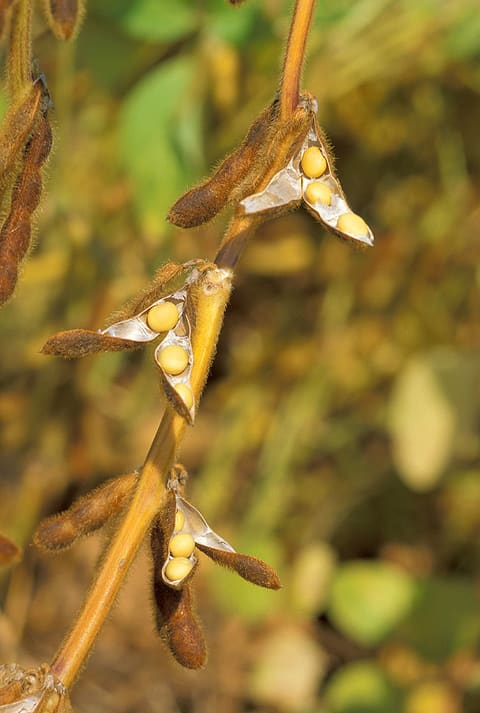
Commercially, lecithin is recovered mainly during refining of soybean, sunflower, and rapeseed (canola) oils. Egg yolk is a traditional pharmaceutical/food source but is costlier for bulk confectionery. The U.S. FDA lists lecithin as a GRAS food substance obtained from soybeans or other common sources in 21 CFR § 184.1400 (retrieved 20 July 2026). EFSA and EU labelling use E322 for lecithins used as emulsifiers and stabilisers (see EU additive guidance and EFSA opinions on lecithins, retrieved 20 July 2026 via EFSA Journal summaries such as doi:10.2903/j.efsa.2017.4742).
| Source | Typical use | Default Halal read |
|---|---|---|
| Soy | Chocolate, bakery | Halal |
| Sunflower | “Soy-free” chocolate | Halal |
| Rapeseed | Emulsified fats | Halal |
| Egg | Speciality / supplements | Halal (not vegan) |
| Unspecified | Generic “lecithin” | Verify if strict |
Why this page is Halal if verified, not Halal-by-default
Plant lecithin itself is clean. The site keeps Halal if verified because many labels still print only “lecithin,” and a minority of technical grades can be animal-derived. That is a disclosure problem, not proof that your chocolate contains pork. Consumers who only buy named soy/sunflower lecithin can treat those products as Halal for the emulsifier line.
Do not confuse lecithin with:
- Mono- and diglycerides (E471) — separate fat-source question
- Gelatin — animal collagen, unrelated
- Polyglycerol polyricinoleate (PGPR) — another chocolate emulsifier with its own audit trail
Markets and chocolate
European and North American milk chocolate almost always uses soy lecithin. Muslim-majority markets often print soy lecithin explicitly and may carry Halal marks on the finished bar—those marks audit the whole formula, not lecithin alone. JAKIM’s public directory (Portal Halal / MYeHALAL, retrieved 20 July 2026) is useful when you want certified finished goods rather than ingredient-level guesswork.
Everyday products where lecithin shows up
Chocolate and compound coatings almost always need an emulsifier so cocoa butter and sugar stay smooth; soy lecithin is the industry default because it is cheap, effective at low dose, and plant-based. Sunflower lecithin has grown in “soy-free” and allergen-conscious lines, especially in Europe. Margarine, peanut butter, non-dairy creamers, and instant powders use lecithin to keep fat droplets dispersed. In dietary supplements, lecithin may be the active softgel fill (often soy) or a minor processing aid—read whether the capsule shell is gelatin.
None of those uses change the plant-source ruling. They do show why a blank “lecithin” line frustrates careful shoppers: the same word can hide a clear soy declaration on one brand and a vague technical grade on another. Habitual chocolate or protein buyers gain the most from asking once and saving the answer.
Realistic verification
- Find “soy lecithin,” “sunflower lecithin,” or E322 with a plant note.
- If only “lecithin” appears on a product you eat daily, ask the brand once.
- For supplements, check softgel shells (gelatin vs vegetable) separately.
- Remember: Halal chocolate certification covers lecithin plus everything else.
Where you'll find it
- Chocolate and confectionery emulsifier
- Baked goods, margarine, and dressings
- Dietary supplements and softgels (as an ingredient)
- Release agent in food processing
Frequently asked questions
Is soy lecithin Halal?
What does E322 mean?
Is egg lecithin Halal?
Can lecithin come from pork?
Does lecithin contain alcohol?
Scholarly view
Commercial lecithin is a phospholipid mixture (notably phosphatidylcholine) extracted mainly as a byproduct of vegetable-oil refining. Major Halal authorities treat soy and sunflower lecithin as permissible plant additives. The Halal if verified tag on this page is about disclosure quality, not a claim that most supermarket lecithin is porcine. Animal lecithin from organs is industrially uncommon in packaged food compared with soy.
Sources
Named Islamic, certifier, manufacturer, and regulatory sources used on this page. Inline markers like [1] jump here. Retrieval dates show when we last checked the live URL. Editorial methodology.
Certifier / jurisdiction
-
Retrieved
Regulatory / labelling
-
Retrieved
-
EFSA — lecithins (E 322) re-evaluation
EFSA Retrieved
-
European Commission — Food additives
European Commission Retrieved
Union-list / additives framework including E-number identity.
People also check
Related ingredients and products for this item.

Browse this topic
Open the parent category hub for more foods in the same group.