

Topic hub
Additives & E-numbers
Additives are where Halal questions often hide behind code numbers and vague label names. Use this hub for emulsifiers, colours, thickeners, sweeteners, and processing aids—especially items that may come from animal, insect, or alcohol-related sources. For the full E-number filter view, open the E-number database.
Start with the ingredient name or E-number on the pack. If the source is animal-derived, insect-derived, or not stated, treat the product as needing verification or Halal certification rather than relying on the additive name alone.
Status overview
How foods in this topic break down by Halal ruling.
- Halal 64
- Haram 4
- Halal if verified 54
- Market-dependent 2
- Scholarly difference 5
Foods in this topic
129 items All topics
- Acesulfame K (E950) Halal
- Acetic acid and acetates (E260–E263) Halal
- Agar-Agar Halal
- Agave Syrup Halal
- Alginates (E400–E405) Halal
- Ammonium phosphatides / emulsifier YN (E442) Halal if verified
- Ashwagandha supplements Halal if verified
- Aspartame (E951) Halal
- Beef Gelatin Halal if verified
- Benzoic acid and benzoates (E210–E213) Halal
- BHA, BHT, TBHQ, gallates, erythorbates and rosemary extract Halal
- Boric acid and borax (E284, E285) Halal
- Caffeine Halal
- Candy canes Halal if verified
- Candy Corn Halal if verified
- Caramel colours (E150a–d) Halal
- Carmine (Cochineal, E120) Scholarly difference
- Carotenes, annatto, lutein and canthaxanthin (E160a, E160b, E160e, E161b, E161g) Halal
- Carrageenan (E407) Halal
- Casein Halal
- Cellulose and cellulose ethers (E460–E469, including HPMC capsules) Halal
- Collagen Halal if verified
- Cornstarch Halal
- Creatine Halal
- Dextrose Halal
- E1101 (Proteases) Halal if verified
- E1105 (Lysozyme) Halal
- E171 (Titanium dioxide) Halal
- E249–E252 (Nitrites and nitrates / curing salts) Halal
- E300–E302 (Ascorbic acid and ascorbates / vitamin C) Halal
- E304 (Fatty acid esters of ascorbic acid / ascorbyl palmitate) Halal if verified
- E330 (Citric acid) and citrates E332, E333, E380 Halal
- E331 (Sodium citrates) Halal
- E431–E436 (Polysorbates and polyoxyethylene stearate) Halal if verified
- E445 (Glycerol esters of wood rosin / ester gum) Halal if verified
- E470a / E470b (Salts of fatty acids) Halal if verified
- E471 (Mono- and Diglycerides) Halal if verified
- E472a–f (Esters of mono- and diglycerides) Halal if verified
- E473 / E474 (Sucrose esters and sucroglycerides) Halal if verified
- E475 (Polyglycerol esters of fatty acids) Halal if verified
- E476 (Polyglycerol polyricinoleate) Halal if verified
- E477 (Propane-1,2-diol esters of fatty acids) Halal if verified
- E479b (Thermally oxidised soya oil with mono- and diglycerides / TOSOM) Halal if verified
- E481 (Sodium stearoyl-2-lactylate) Halal if verified
- E482 (Calcium stearoyl-2-lactylate) Halal if verified
- E483 (Stearyl tartrate) Halal if verified
- E491–E495 (Sorbitan esters / Span) Halal if verified
- E542 (Bone phosphate) Halal if verified
- E570 (Fatty acids) Halal if verified
- E572 / E573 (Magnesium and aluminium stearates) Halal if verified
- E620–E625 (Glutamic acid and glutamates / MSG) Halal
- E626–E629 (Guanylates) Halal if verified
- E630–E633 (Inosinates) Halal if verified
- E634 / E635 (Mixed 5'-ribonucleotides) Halal if verified
- E901 (Beeswax) Halal
- E913 (Lanolin / wool wax) Halal
- Ethanol (ethyl alcohol) Scholarly difference
- Fish Gelatin Scholarly difference
- Food Colouring Halal if verified
- Gelatin Halal if verified
- Gluconic acid, GDL and gluconates (E574–E579) Halal
- Glucose Halal
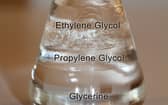
- Glycerin (Glycerol, E422) Halal if verified
- Glycine and L-leucine (E640, E641) Halal if verified
- Guar Gum Halal
- Gummy Bears Halal if verified
- Haribo Market-dependent
- Hartley's jelly Halal if verified
- Jell-O Halal if verified
- Jelly Beans Halal if verified
- Jolly Rancher Halal if verified
- L-Cysteine Halal if verified
- Lactic acid and lactates (E270, E325–E327, E585) Halal
- Lecithin Halal if verified
- Malic, fumaric, adipic and succinic acids (E296, E297, E350–E357, E363) Halal
- Malt extract Halal
- Maltodextrin Halal
- Maoam Haram
- Margarine Halal if verified
- Marshmallows Halal if verified
- Methacrylate and related tablet-coating copolymers (E1205–E1209) Halal
- Mineral acids, chlorides, sulphates, hydroxides and oxides (E507–E530 selected) Halal
- Mineral colours (calcium carbonate, iron oxides, aluminium, silver, gold) Halal
- Modified starches (E1404–E1452 authorised) Halal
- Mushroom supplements Halal if verified
- Natural Flavors Halal if verified
- Nerds Scholarly difference
- Nisin and natamycin (E234, E235) Halal
- Packaging gases and propellants (nitrogen, CO₂, nitrous oxide, propane) Halal
- Parabens (E214, E215, E218, E219) Halal
- Pectin Halal
- Peeps Haram
- Pepsin Halal if verified
- Phosphoric acid and phosphates (E338–E343, E450–E452) Halal
- Plant and fermentation colours (curcumin, riboflavin, chlorophyll, beet, anthocyanins) Halal
- Plant and mineral glazing waxes (carnauba, candelilla, microcrystalline, polyethylene) Halal
- Plant gums (arabic, locust bean, tragacanth, gellan, konjac, tara, cassia) Halal
- Pocky Halal if verified
- Polydextrose, PVP, pullulan, invertase, SAIB, EDTA, quillaia and related processing aids Halal
- Polyols (mannitol, isomalt, maltitol, lactitol, xylitol, erythritol) Halal
- Pork Gelatin Haram
- Prebiotics Halal
- Probiotics Halal if verified
- Propionic acid and propionates (E280–E283) Halal
- Propylene glycol, PEG, triethyl citrate, benzyl alcohol and beta-cyclodextrin Halal
- Remaining intense sweeteners (cyclamate, saccharin, thaumatin, neotame, advantame) Halal
- Rennet Scholarly difference
- Rowntree's Halal if verified
- Shellac Halal
- Shortening Halal if verified
- Silicon dioxide, silicates, talc and ferrocyanide anti-caking salts Halal
- Skittles Market-dependent
- Smarties Halal if verified
- Sodium, potassium, ammonium and magnesium carbonates (E500–E504) Halal
- Sorbic acid and potassium sorbate (E200, E202) Halal
- Sorbitol (E420) Halal
- Squashies Haram
- Stevia Halal
- Sucralose Halal
- Sulphur dioxide and sulphites (E220–E228) Halal
- Swizzels Halal if verified
- Synthetic azo and coal-tar colours (E102–E180 selected) Halal
- Tartaric acid and tartrates (E334–E337, E353, E354) Halal
- Taurine Halal if verified
- Tocopherols / vitamin E (E306–E309) Halal
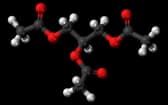
- Triacetin and diacetin (E1518, E1517) Halal if verified
- Twizzlers Halal if verified
- Whey Powder Halal if verified
- Xanthan Gum Halal

No foods match this filter.
Photo credits
- Centhum · CC BY-SA 3.0
- Sgroey · CC BY-SA 4.0
- 円周率3パーセント (Enshuritsu 3 percent) · CC BY-SA 4.0
- Sharky78 · CC BY 3.0
- botaneek · CC BY-SA 4.0
- Ineffablebookkeeper · CC BY-SA 4.0
- No machine-readable author provided. Ustas~commonswiki assumed (based on copyright claims). · CC BY-SA 3.0
- freestock.ca · CC BY-SA 3.0
- Smabs Sputzer (1956-2017) · CC BY 2.0
- Zyance · CC BY-SA 2.5
- Alice Wiegand, (Lyzzy) · CC BY-SA 3.0
- Achiri Bitamsimli · CC BY-SA 4.0
- Open Food Facts contributors · CC BY-SA 3.0
- Lauri Andler (Phantom) · CC BY-SA 3.0
- FranHogan · CC BY-SA 4.0
- Chris Woodrich · CC BY-SA 4.0
- 彩色琪子 · CC BY-SA 3.0
- Metoc · CC BY-SA 3.0
- Dietmar Rabich · CC BY-SA 4.0
- Merdal at Turkish Wikipedia · CC BY-SA 3.0
- Jeran Renz · CC BY-SA 4.0
- Lauri Rantala · CC BY 2.0
- Quintinz · CC BY 3.0
- Tim Reckmann from Hamm, Deutschland · CC BY 2.0
- Mene Tekel · CC BY 2.0
- Wald1siedel · CC BY-SA 4.0
- Jumbocombo0811 · CC BY-SA 4.0
- grongar · CC BY 2.0
- Open Food Facts contributors · CC BY-SA 3.0
- Famartin · CC BY-SA 4.0
- Fimpelman · CC BY 3.0
- Chris Bohn from Gainesville, FL, USA · CC BY-SA 2.0
- Simon A. Eugster · CC BY-SA 3.0
- Open Food Facts contributors · CC BY-SA 3.0
- LHcheM · CC BY-SA 3.0
- Jeffrey W. Lotz · CC BY 3.0
- DanielPenfield · CC BY-SA 4.0
- Renee Huggins · CC BY 2.0
- Open Food Facts contributors · CC BY-SA 3.0
- Ethel Aardvark · CC BY 3.0
- Dave Crosby from Devon, England · CC BY-SA 2.0
- Rare Grace · CC BY-SA 4.0


Frequently asked questions
What is an E number?
Which E numbers are animal-derived?
Does a 'suitable for vegetarians' label make an additive Halal?
What does 'Halal if verified' mean on an additive page here?
Are 'natural flavourings' Halal?
Related topics
Explore connected ingredients, regions, and certification guidance.