
Is E331 (Sodium citrates) Halal?
Yes — this one is Halal.
Sodium citrates (E331, INS 331) are acidity regulators and sequestrants made from citric acid and sodium salts.
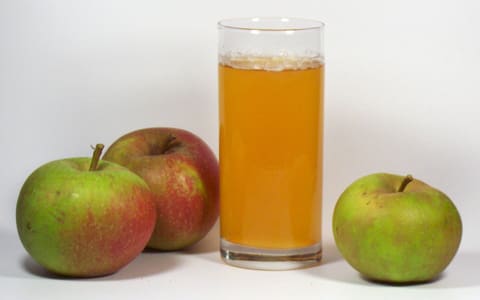
Photo: Metoc · CC BY-SA 3.0
Additive identity
Possible source pathways
The finished molecule can be identical across feedstocks. The Halal ruling follows the pathway, not the code alone.
E331 Possible source pathways
- microbial Halal Typical Citric acid is almost always made by fermenting plant sugars (often Aspergillus niger on molasses or starch hydrolysate), then neutralised with sodium carbonate or hydroxide.
- plant Halal Typical The carbohydrate feedstock is plant; no animal tissue is required for standard food-grade E331.
- synthetic Halal Mineral sodium salts plus fermented citric acid remain Halal.
What decides the answer
-
Food-grade sodium citrates / E331 from fermented citric acid
Halal -
Do not treat E472c (citric esters of mono- and diglycerides) as the same additive
-
Finished drinks and cheeses still need their other ingredients checked
Why this ruling
Sodium citrates—E331 on EU and many international labels, INS 331 in Codex, and usually sodium citrate or trisodium citrate on US packs—are the sodium salts of citric acid. They buffer tartness, sequester metals, and help processed cheese melt. The Halal question people bring from emulsifier lists does not belong here.[1][2]
Industrial citric acid is made by fermenting plant carbohydrates, typically with Aspergillus niger, then purified and reacted with sodium carbonate or sodium hydroxide to give the mono-, di-, or trisodium salt. EFSA’s re-evaluation of E330–E333 treats that identity as a family of citrate salts; it is a food-safety opinion, not a religious certificate.[2] Codex lists the same salts under INS 331.[4] None of those identity documents require an animal tissue feedstock.
So the additive itself is Halal. What still needs a look is the rest of the recipe: a sports drink with E331 can still carry E471, carmine, or gelatin gummies in the same brand line. Citric esters of mono- and diglycerides (E472c) are a different molecule with the E471 fat-source problem—they are covered on their own page.
US shoppers will almost never see “E331”; they will see sodium citrate in cheese sauces, sodas, and club soda mixes. That string, INS 331, and E331 are the same analysis.
Where you will find it
- Processed cheese slices and cheese sauces – sodium citrate is the "emulsifying salt" that lets cheese melt smoothly without splitting.
- Soft drinks, club soda and sports drinks – it softens sharp acidity and keeps flavour stable.
- Jams, jellies and sweets – it controls acidity so pectin sets properly.
- Medicines and rehydration salts – as a buffer.
In processed cheese the citrate is fine, but the cheese itself still follows its rennet; see cheese.
What a certifier says
SANHA, the South African National Halaal Authority, lists E331 sodium citrate as Halaal and gives its source as synthesis from citric acid [5].
How to verify
- Match sodium citrate, sodium citrates, trisodium citrate, or E331 / INS 331.
- Treat the additive as Halal.
- Still check other ingredients on the same pack (E471, gelatin, carmine, alcohol flavourings).
- Do not confuse citrate salts with citrate esters of mono- and diglycerides (E472c).
Quick checks
- E331 / sodium citrate = fermented citric acid + sodium → Halal.
- Do not confuse with E472c or E471.
- Still vet the rest of the ingredient list.
Frequently asked questions
Is sodium citrate Halal?
Is E331 the same as E330?
Can citrate come from animal bone?
Why do some Halal lists still flag ‘citrate’?
Do Halal certifiers accept E331?
Is acidity regulator 331 the same as E331?
Scholarly view
There is no named madhhab split on sodium citrate as a salt of fermented citric acid. Residual processing-aid questions that apply to some enzymes do not attach to standard E331 identity in EU or Codex listings. Do not import the E471/E472 source-dependent ruling onto citrate salts.
Sources
Named Islamic, certifier, manufacturer, and regulatory sources used on this page. Inline markers like [1] jump here. Retrieval dates show when we last checked the live URL. Editorial methodology.
Certifier / jurisdiction
-
South African National Halaal Authority Retrieved
Status: Halaal. Source: synthesised from citric acid.
Regulatory / labelling
-
Regulation (EC) No 1333/2008 on food additives
European Union Retrieved
Union-list identity for E331 sodium citrates—not a Halal certificate.
-
EFSA — Re-evaluation of citric acid (E330), sodium citrates (E331) and related citrates
European Food Safety Authority Retrieved
Safety re-evaluation of E330–E333; describes citric acid / citrate identity. Not a Halal ruling.
-
-
FAO / WHO Codex Retrieved
INS 331 sodium citrates in the General Standard for Food Additives / JECFA index.
People also check
Related ingredients and products for this item.