Is Coca Cola Halal?
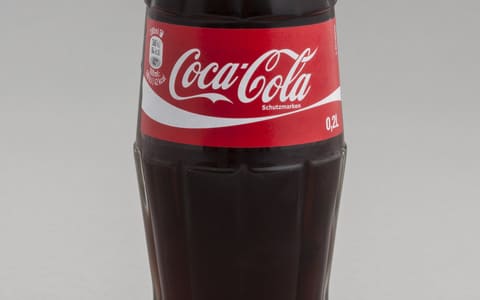
Classic Coca-Cola’s declared ingredients—carbonated water, sweeteners, caramel color, phosphoric acid, caffeine, and natural flavors—are not pork- or intoxicant-based as consumed.
Ruling
Halal
- Applies to
- General ruling; confirm local labels, slaughter, and certification when relevant
- Last reviewed
- 19 July 2026
Check another food
Evidence at a glance
Named sources used for this page. Open the full Sources block for notes and citation numbers.
| Source | Type | Retrieved |
|---|---|---|
| Editorial methodology — isithalal.food isithalal.food | Islamic / scriptural | 2026-07-19 |

Why this ruling
Classic Coca-Cola’s declared ingredients—carbonated water, sweeteners, caramel color, phosphoric acid, caffeine, and natural flavors—are not pork- or intoxicant-based as consumed. Mainstream soft-drink analysis (including the 1951 Egyptian fatwa that named Coca-Cola and Pepsi) treats cola flavor systems as Halal. Market Halal logos add supply-chain assurance but are not required for that base ruling. Flavored or regional SKUs still need their own label check.
Coca-Cola is the world’s default cola: carbonated water, sugar or high-fructose corn syrup (or intense sweeteners in diet lines), caramel color, phosphoric acid, caffeine, and a proprietary natural flavors blend. For Halal purposes that list is reassuringly ordinary—nothing porcine, nothing intoxicating as drunk—and cola permissibility has been mainstream since Egypt’s Grand Mufti Hasanayn Muhammad Makhluf ruled Coca-Cola and Pepsi permissible in 1951.
The Coca-Cola Company publishes brand and ingredient communications for consumers (coca-cola.com, retrieved 20 July 2026). Soft-drink caffeine context is summarised in FDA consumer guidance (FDA caffeine update, retrieved 20 July 2026). Neither replaces reading a flavored SKU’s local ingredient panel.
What is settled vs what still gets asked
- Settled: classic Coca-Cola is Halal under mainstream ingredient analysis. The “secret formula” talking point has never produced evidence of animal gelatin, wine, or similar Haram solids in the finished drink.
- Flavor carriers: like other sodas, essence houses may use trace ethanol when building flavors. Scholars who permit colas treat that as non-intoxicating processing, not as “alcohol in Coke.” That is the opposite of drinking culinary vanilla extract.
- Certification geography: Coca-Cola bottlers in many Muslim-majority markets carry local Halal marks (JAKIM-linked, Gulf authorities, and peers). US/UK cans usually do not display a mark; absence of a logo there is not a Haram verdict.
- SKU drift: Coca-Cola Zero Sugar, cherry/vanilla lines, and Freestyle machine recipes can differ. Clear the pack you hold. Aspartame, acesulfame-K, and sucralose in diet lines are synthetic and Halal—see Acesulfame K and Aspartame.
Fountain service
The soda syrup itself follows the same ruling, but shared guns that also pour alcoholic mixers are a cross-contact preference issue for some diners. Cans and bottles avoid that. For meat-flavored snacks that also say “natural flavors,” do not reuse this cola ruling—see Natural Flavors.
Realistic verification
- Read the ingredient panel once for your usual pack size.
- In the Gulf or Malaysia, a Halal logo confirms audited bottling.
- In Western markets, buy sealed cans/bottles if you dislike bar-gun cross-contact.
- Re-check flavored, Zero, and Freestyle SKUs separately from classic Coke.
Bottom line: classic Coca-Cola is Halal on the same scholarly footing as Pepsi; certification is a market preference layer; flavored extensions deserve their own glance at the label.
Mixers, marinades, and Freestyle machines
Coca-Cola used as a meat marinade does not make the meat Halal; slaughter still decides the protein. As a mixer with spirits, the cola remains a soft drink while the cocktail is Haram—do not confuse the syrup with the finished intoxicant. Freestyle and other custom fountains blend multiple flavorings; if a novelty syrup adds cream, coffee, or brightly dyed fruit notes, treat that pour as its own SKU rather than “just Coke.”
Sources
- The Coca-Cola Company — coca-cola.com (retrieved 20 July 2026)
- U.S. FDA — Caffeine consumer update (retrieved 20 July 2026)
- JAKIM / Portal Halal Malaysia — MYeHALAL (retrieved 20 July 2026)
Where you'll find it
- Cans, bottles, and fountain drinks
- Restaurant and takeaway beverages
- Mixers and some marinades/sauces
How to verify
For classic Coke: confirm your can/bottle matches the standard cola ingredient pattern. Prefer Halal-marked bottles in markets that certify Coca-Cola bottlers (common across the Gulf and parts of Southeast Asia). Treat Coca-Cola Zero Sugar, flavored Coke, and Freestyle novelty syrups as separate SKUs if the ingredient line changes.
- Confirm classic cola ingredients on your local can or bottle.
- Use Halal-marked Coke where bottlers certify; do not require a logo for the base ruling.
- Re-check flavored, Zero, and Freestyle SKUs separately.
Conditions for Halal
- Classic Coca-Cola ingredients are plant/synthetic as consumed → Halal (mainstream)
- Halal-marked regional bottling → Halal with certified supply chain
- Flavored / Freestyle / regional novelty SKUs → verify that label
- Fountain guns shared with alcohol → optional caution, not a change to the syrup ruling
Scholarly differences
The scholarly baseline for colas was set early: Egypt’s 1951 fatwa named Coca-Cola and Pepsi permissible after reviewing their manufacture. Residual debates today are almost always about certification preference, novelty flavors, or fountain cross-contact—not about classic Coke containing pork. Treat 'natural flavors' anxiety in cola the same way as Pepsi: processing carriers are not intoxicating drinks. For the broader additive phrase outside soft drinks, see Natural Flavors.
Frequently asked questions
Is Coca-Cola Halal?
Does the secret formula hide alcohol or animal products?
Is Coca-Cola Halal-certified?
What about Diet Coke / Coke Zero / flavored Coke?
Is fountain Coke at a bar or non-Halal restaurant fine?
Sources
Named Islamic, certifier, manufacturer, and regulatory sources used on this page. Inline markers like [1] jump here. Retrieval dates show when we last checked the live URL. Editorial methodology.
Islamic / scriptural
-
Editorial methodology — isithalal.food
isithalal.food
How we classify rulings and cite sources on food pages.
Retrieved: 2026-07-19
People also check
Related ingredients and products for this item.
Browse this topic
Open the parent category hub for more foods in the same group.