Additive identity
Possible source pathways
The finished molecule can be identical across feedstocks. The Halal ruling follows the pathway, not the code alone.
E150a Possible source pathways
- synthetic Halal Typical Synthetic or mineral identity. No animal tissue in the finished additive.
What decides the answer
-
E150a–d as listed caramel colour
Halal -
Dessert caramel / toffee: still check gelatin and dairy
-
Not carmine (E120)
Where you'll find it
- Cola and dark soft drinks
- Sauces, gravies, bakery
Why this ruling
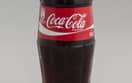
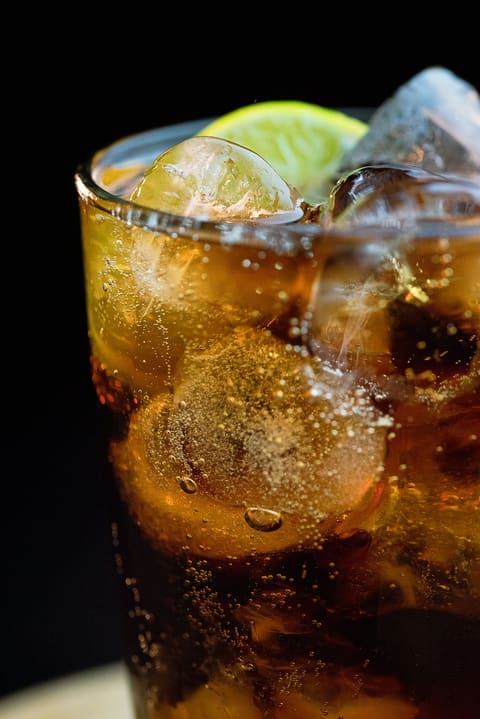
E150a–d are the four caramel colours, and all four are Halal.[3][5] They give colas, gravies, soy sauce and dark breads their brown colour, and they are made by heating sugar, not from anything animal.
Four classes, one method
Every caramel colour starts with a food-grade carbohydrate, usually glucose syrup, sucrose or invert sugar, heated until it browns. The four classes differ only in the reactant added to steer the colour and how it behaves in the product:[1]
| Code | Name | Typical use |
|---|---|---|
| E150a | Plain caramel | Spirits, confectionery, some baked goods |
| E150b | Caustic sulphite caramel | Some spirits and flavour extracts |
| E150c | Ammonia caramel | Beer, soy sauce, gravy browning |
| E150d | Sulphite ammonia caramel | Colas and other soft drinks |
The ammonia and sulphite reactants are industrial chemicals, not animal or wine products, so none of the classes raises a Halal question.[2] You may have read about 4-MEI, a by-product found in some Class III and IV caramels: that is a food-safety topic regulators set limits for, not a question of what is permissible.
Two common mix-ups
- Caramel colour is not the dessert. Caramel sweets, toffee and caramel sauce are made from sugar, butter and cream, and some add gelatin. Those need their own check; E150 on a label does not.
- Brown is not red. Shoppers sometimes confuse E150 with carmine (E120), the red colour made from insects. Cola's dark colour is almost always E150d.
Where the real question sits
E150c is common in beer and soy sauce, but the colour is not what makes those products doubtful: beer is an alcoholic drink, and soy sauce raises the question of alcohol from fermentation. In a gravy, check the stock; in a cola, check the brand's flavouring statement. The caramel colour itself is settled.
How to verify
- Match E150a, E150b, E150c, E150d or 'caramel colour'.
- The colour is Halal.
- Still read gelatin and flavours on the finished drink or sauce.
Quick checks
- Caramel colours E150a–d are cooked sugar: Halal.
- A caramel dessert, sauce or sweet is a recipe, not E150; check it for gelatin and for spirits such as rum.
- A brown colour in a drink does not mean alcohol.
Frequently asked questions
Is caramel colour Halal?
Is the caramel colour in cola Halal?
Where else is caramel colour used?
Is E150 the same as caramel sweets?
Is colour 150d the same as E150d?
Scholarly view
Ammonia and sulphite catalysts do not turn caramel colour into an animal or wine product. Health labelling of Class IV caramel is a safety topic, not a fiqh ban.
Sources
Named Islamic, certifier, manufacturer, and regulatory sources used on this page. Inline markers like [1] jump here. Retrieval dates show when we last checked the live URL. Editorial methodology.
Certifier / jurisdiction
Regulatory / labelling
-
EFSA — Re-evaluation of caramel colours (E150a–d)
European Food Safety Authority Retrieved
Substance identity—not a Halal certificate for a finished pack.
-
U.S. eCFR Retrieved
U.S. identity / GRAS or colour-additive listing—not a Halal ruling.
-
Regulation (EC) No 1333/2008 on food additives
European Union Retrieved
Union-list identity—not a Halal certificate.
-
-
-
U.S. Food and Drug Administration Retrieved
US identity / labelling context—not a Halal ruling.
People also check
Related ingredients and products for this item.