
Is Caramel Halal?
It depends on what the label says.
Plain sugar-and-dairy caramel is Halal when ingredients are clean, but commercial caramel candies, sauces, and fillings often add gelatin, alcohol-based flavours, animal emulsifiers, or vague 'natural flavor,' so packaged caramel stays Halal if verified until that product is verified.
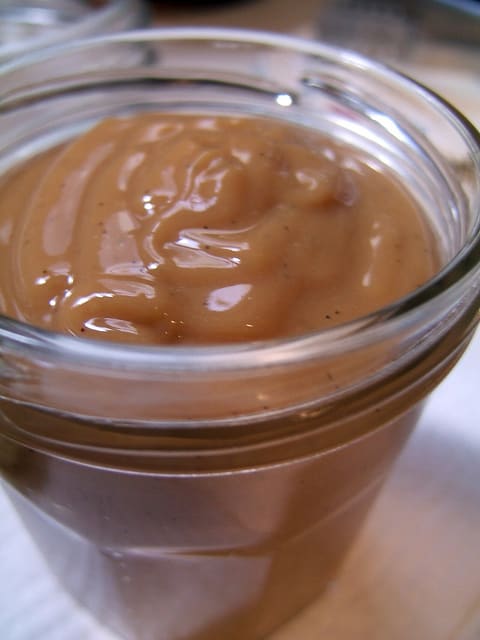
Photo: audinou from Paris, France · CC BY 2.0
How to verify
- Prefer single-ingredient homemade caramel (sugar + water ± Halal butter/cream).
- On packaged sauces and chews, read for gelatin, glycerol, mono-/diglycerides, and alcohol flavourings.
- Treat caramel colour (E150) separately from caramel candy—colour is usually Halal carbohydrate browning.
- Choose Halal-certified caramel products when the label is vague.
What decides the answer
-
Homemade sugar ± Halal dairy caramel
Halal -
Packaged caramel with undisclosed gelatin/emulsifiers/flavours
Halal if verified -
Caramel with pork gelatin or liquor flavour: avoid / Haram
-
Caramel colour (E150) from carbohydrate browning: generally Halal
Why this ruling
Caramel is sugar cooked until it melts and browns, often finished with butter, cream, or milk into a sauce, syrup, or chew. In Islamic dietary practice the reaction itself is Halal: sucrose and water are plant products, and ordinary dairy is permissible. The Halal if verified label on this page applies to commercial caramel products, not to a pan of sugar you caramelize at home.
Two products people mix up
Confection caramel — soft candies, sauce jars, ice-cream toppings, coffee syrups, and chocolate-bar fillings. Formulas range from sugar + cream to complex mixes with vegetable fat, whey, emulsifiers, and flavour systems.
Caramel colour (E150) — a dark-brown colour additive made by carefully heating food-grade carbohydrates (dextrose, invert sugar, lactose, malt syrup, molasses, starch hydrolysates, or sucrose), sometimes with food-grade acids, alkalis, or salts. U.S. FDA identity for this colour is published at 21 CFR § 73.85 (retrieved 16 August 2026).[1] That regulation is about colouring cola, soy sauce, and baked goods—not about whether a named chew contains gelatin. Plant-carbohydrate caramel colour is generally treated as Halal; the candy next to it on the shelf is a different audit.
Where packaged caramel goes wrong
- Gelatin or other gelling agents — if a chew or filling lists gelatin, judge that ingredient (pork gelatin is Haram; see IslamQA 219137, retrieved 16 August 2026).[2] Many caramel chews do not use it at all.
- Alcohol-based flavourings — “natural flavor,” rum caramel, whiskey caramel, or brandy notes may use ethanol carriers. A spoon of liquor in a sauce recipe is not a Halal cooking tip.
- Emulsifiers and fats — mono- and diglycerides (E471), glycerol, or unspecified shortenings can be plant or animal. Vague labels push the product into Halal if verified.
- Shared equipment — less common as a fiqh blocker than ingredient source, but Halal-certified lines help if you avoid cross-contact with pork confectionery.
Homemade caramel with sugar, water, and Halal butter or cream avoids almost all of these traps. Restaurant “house caramel” is usually fine if the kitchen confirms no liquor; café pump syrups need the brand sheet.
Markets and formats
Soft caramel squares, dulce-de-leche-style sauces, Japanese caramel puddings, Middle Eastern toffee-style sweets, and industrial caramel for ice cream all share the sugar-browning idea but not the same additive package. Import markets sometimes sell Halal-marked caramel sauces aimed at Muslim consumers; Western supermarket private-label sauces rarely print gelatin sources even when gelatin is absent. Assume nothing from the word “caramel” alone—read that product.
Coffee chains often use proprietary caramel swirl syrups. Ask whether the syrup is dairy-based only or includes alcohol flavour, and whether the whipped-cream topping adds gelatin separately. Ice cream parlors may fold caramel ribbons that contain emulsifiers not listed on the customer menu board.
Realistic verification
- Homemade: sugar + water ± Halal dairy → Halal.
- Jar/sauce: scan gelatin, glycerol, emulsifiers, wine/rum/whiskey.
- Colour additive E150: generally Halal carbohydrate colour—still not a free pass for candy.
- Prefer Halal-certified caramel fillings in chocolate bars when you want certainty.
Where you'll find it
- Caramel sauces for ice cream and desserts
- Chewy caramel candies and toffees
- Fillings in chocolate bars and cookies
- Caramel syrups for coffee drinks
- Caramel colour (E150) in soft drinks and sauces
Frequently asked questions
Is homemade caramel Halal?
Is caramel colour (E150) the same as caramel candy?
Why are some caramel candies Halal if verified?
Is salted caramel sauce in coffee shops Halal?
Does dairy in caramel make it Haram?
Scholarly view
Caramelization of sugar with water (and optional Halal dairy) raises no fiqh issue. The mashbooh zone is finished confectionery **when the label lists** gelatin, ethanol carriers in 'natural flavor,' or animal-sourced emulsifiers; read each pack.
FDA caramel colour rules (21 CFR 73.85) describe heat-treated carbohydrates used as a colour additive—not the same product as a caramel chew—so do not confuse E150 with candy status.
Sources
Named Islamic, certifier, manufacturer, and regulatory sources used on this page. Inline markers like [1] jump here. Retrieval dates show when we last checked the live URL. Editorial methodology.
Islamic / scriptural
-
IslamQA 219137 — pork-derived gelatin
IslamQA Retrieved
If a chew or filling lists gelatin, treat it as the gelatin page—not as caramel colour. This is not a claim that every caramel chew uses gelatin.
Regulatory / labelling
-
21 CFR § 73.85 — caramel colour
U.S. FDA (eCFR) Retrieved
Colour-additive identity for E150-class caramel colour—not a census of caramel candies or sauces.
Browse this topic
Open the parent category hub for more foods in the same group.