
What decides the answer
-
Plain beans, black coffee, espresso
Halal -
Milk coffee without flavoured additives
Halal -
Alcohol-named syrups, unclear extracts, gelatin toppings
verify or avoid -
RTD / flavoured bottled coffee
read that label
Where you'll find it
- Black coffee and espresso
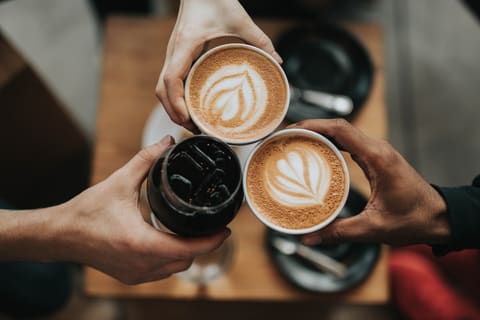
- Lattes, cappuccinos, and iced coffee
- Cold brew and ready-to-drink bottles
- Desserts, tiramisu, and baking
Why this ruling
Coffee is the roasted seed of the Coffea plant, usually arabica or robusta, ground and extracted with hot water or steeped cold. In its plain form (black coffee, espresso, Americano, Turkish or Arabic coffee) it is Halal. Nothing in the bean or the brew comes from pork or from an animal, and it does not intoxicate: caffeine is a stimulant, not an intoxicant.[4]
Coffee also has a long Muslim history. It spread from Yemen in the fifteenth century, where Sufi circles drank it to stay awake for night prayers, and from there to Mecca, Cairo and Istanbul. In 1511 a governor of Mecca briefly banned it, and the ban was soon overturned; coffee has been accepted as permissible ever since. Gulf hospitality still centres on qahwa, lightly roasted coffee brewed with cardamom and sometimes saffron, served in small cups with dates.
What decides it
| Drink | Usually | Halal? |
|---|---|---|
| Black coffee, espresso, filter, Turkish, qahwa | Coffee and water, spices | Yes |
| Latte, cappuccino, flat white | Coffee and dairy or plant milk | Yes |
| Decaf | Caffeine removed with water, CO₂ or a food solvent | Yes |
| Instant and "3-in-1" sachets | Coffee, sugar, creamer | Check the creamer |
| Flavoured syrups and sauces | Sugar, flavourings, sometimes an alcohol carrier | Check |
| Ready-to-drink cans and bottles | Coffee, milk, sugar, stabilisers | Check the pack |
| Irish coffee, liqueur coffees | Whiskey, rum or liqueur | No |
The coffee is never the question. What gets added to it sometimes is.
In cafés and chains
- Flavoured syrups (vanilla, hazelnut, caramel, seasonal flavours) are made to the chain's own recipe, and full ingredients are usually in an allergen folder rather than on the menu. Many are simple sugar syrups; some flavourings use an alcohol carrier. Ask, or see vanilla extract for how carriers are treated. Halal-certified syrup brands are common in Muslim-majority markets.
- "Irish cream", "rum" or "amaretto" style syrups are normally alcohol-free flavourings named after the drink, but ask what that market's syrup actually contains.
- Toppings such as marshmallows or jelly pieces bring gelatin into the cup. Whipped cream is usually fine; see cream.
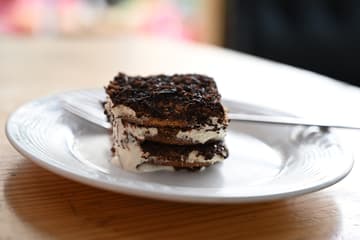
- Dessert coffees like affogato, or coffee soaked into tiramisu, follow the dessert's own rules, and tiramisu is often made with Marsala or coffee liqueur.
- Plant milks (oat, soy, almond, coconut) are Halal; barista versions add plant emulsifiers and vitamins.
At home and when travelling
Plain beans, ground coffee and unflavoured pods need no certificate. Light or dark roast, single origin or blend, espresso or filter: none of these changes the answer. Instant granules are spray-dried coffee; the flavoured and "cappuccino" mixes are where creamers, foamers and flavourings appear, so read those sachets. Airport and hotel black coffee is fine; flavoured pods and hotel urns need the same syrup check as a café.
The bottom line
Order black coffee, espresso or a plain latte with confidence. Treat flavoured, seasonal and bottled specialities like any other processed drink: read the ingredient line, and choose certified syrups or plain drinks if that is your standard. For the other everyday drink, see tea.
What a certifier checks, and the civet coffee ruling
Indonesia's LPPOM MUI sets out where coffee can pick up a Halal question. Plain roasted beans are critical only when butter or another animal fat is used in roasting. Sachet and instant mixes add sugar refined with processing aids such as enzymes and activated charcoal, milk, creamer, emulsifiers and flavourings, each with a source to confirm; a café drink means checking every ingredient in the cup [5].
Kopi luwak, the coffee made from beans that civets eat and pass, has its own ruling. In July 2010 the Indonesian Ulema Council declared it Halal once the beans are washed, so producing, selling and drinking it is allowed [6].
How to verify
- Plain black coffee, espresso, and unflavored beans/grounds: treat as Halal.
- For cafe drinks, ask what syrups, sauces, whipped toppings, and marshmallows contain—alcohol extracts and gelatin are the usual flags.
- For bottled/RTD coffee, read the full ingredient line (flavourings, creamers, thickeners).
- Prefer Halal-certified speciality syrups or dairy if you follow a certification-only standard.
Quick checks
- Plain coffee and espresso are Halal.
- Scrutinize syrups, sauces, and dessert toppings in speciality drinks.
- Read RTD bottles for flavourings and creamers if you are strict.
Frequently asked questions
Is black coffee Halal?
Is latte or cappuccino Halal?
Are Starbucks / cafe speciality drinks always Halal?
Do flavoured coffees need extra checks?
Is decaf coffee Halal?
Is kopi luwak (civet coffee) halal?
What should I check on instant or sachet coffee?
Scholarly view
Plain coffee is judged on ingredients: roasted beans and water. Caffeine stimulation is not treated as khamr intoxication on this site’s baseline. Modern Halal questions almost never concern the bean; they concern cafe add-ins—unclear flavour systems, gelatin desserts, and creamers with animal emulsifiers.
Sources
Named Islamic, certifier, manufacturer, and regulatory sources used on this page. Inline markers like [1] jump here. Retrieval dates show when we last checked the live URL. Editorial methodology.
Islamic / scriptural
-
Qur'an Retrieved
General lawful wholesome-food framing for plant foods not textually prohibited.
Certifier / jurisdiction
-
Retrieved
-
LPPOM MUI: Is coffee definitely halal? The halal critical points of coffee
LPPOM MUI Retrieved
1 September 2021: pure coffee is critical only if butter or other animal fat is used in roasting; sachet coffee adds sugar (processing aids such as enzymes and activated charcoal), milk, creamer, emulsifiers and flavourings to check; café drinks need every ingredient verified.
Regulatory / labelling
-
Retrieved
-
FDA coffee & caffeine consumer context
Retrieved
Context / background
-
Associated Press Retrieved
20 July 2010: the Indonesian Ulema Council (MUI) declared kopi luwak halal after a washing process; acting head Ma'ruf Amin: producing, selling and drinking it is allowed.
People also check
Related ingredients and products for this item.
Halal-conscious recipes
A substitution-led recipe that uses this analysis.