
Additive identity
Possible source pathways
The finished molecule can be identical across feedstocks. The Halal ruling follows the pathway, not the code alone.
E951 Possible source pathways
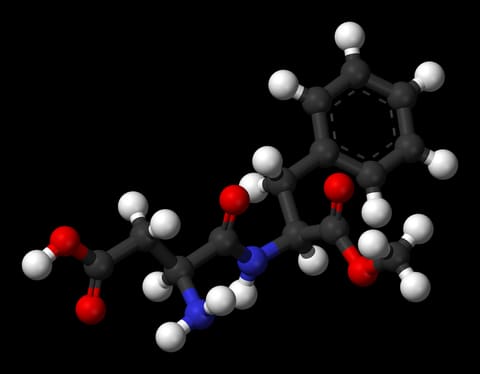
- synthetic Halal Typical Synthetic dipeptide sweetener. The molecule is Halal; finished diet foods still need co-ingredient checks.
What decides the answer
-
Aspartame as a pure/synthetic sweetener
Halal -
Diet drinks using aspartame with standard soft-drink ingredients
Halal (see cola pages) -
Tablets/gum with gelatin or unclear magnesium stearate
verify that product -
Halal-certified diet products
preferred when you want supply-chain audit
Why this ruling
Yes—aspartame (EU E951; tabletop brands historically include NutraSweet / Equal) is Halal as a synthetic sweetener. It is not harvested from animals. Keep any remaining caution for other ingredients in the diet product, not for the chemistry of E951.
Name map
| Name | Relationship |
|---|---|
| Aspartame | Synthetic dipeptide sweetener |
| E951 | EU additive code |
| NutraSweet / Equal | Brand/tabletop contexts that use aspartame (check blends) |
| Acesulfame K (E950) | Different sweetener, often blended with aspartame |
Why the status is Halal
Unlike gelatin or animal emulsifiers, aspartame is not harvested from animals. Industrial production builds the sweetener through chemical and enzymatic steps from amino-acid feedstocks. There is no zabiha requirement and no pork pathway inherent in the molecule. As a synthetic molecule with no animal or intoxicant pathway, aspartame is treated as Halal; diet sodas that list it still need separate finished-product checks by market.[1][2][5]
Certification nuance. Saying aspartame is Halal is not the same as saying every diet chocolate bar is certified. The sweetener clears the fiqh bar; finished products may still add gelatin in gum centers or stearate lubricants of unclear origin.[4]
Where you meet aspartame
- Diet and zero soft drinks: Coca-Cola, Pepsi, Sprite Zero lines[3]
- Sugar-free gum and mints
- Tabletop packets for tea and coffee
Blends with acesulfame K (E950) are common and do not create a new haram category.
PKU warning vs fiqh
Products containing aspartame must warn people with phenylketonuria. That is clinical nutrition labelling, not a Halal prohibition. Periodic safety headlines are likewise medical/regulatory debates—they do not convert E951 into pork or wine.
Practical verification
- See “aspartame” / E951 → sweetener itself is fine.
- Scan the rest of the list for gelatin, carmine, or alcohol flavourings.
- In Gulf/Malaysia retail, Halal marks on diet sodas add bottling assurance.
How to verify
- Treat aspartame / E951 itself as Halal (synthetic).
- Still read the finished product—gums and tablets can add gelatin or unclear magnesium stearate.
- Prefer Halal-certified diet products if you want audited supply chains.
- Observe medical PKU labelling (health, not fiqh).
Frequently asked questions
Is aspartame Halal?
Is E951 the same as aspartame?
Does aspartame contain pork or alcohol?
Is Diet Coke Halal because of aspartame?
What about the phenylketonuria (PKU) warning?
Scholarly view
Aspartame is a synthetic high-intensity sweetener, not an animal extract. SANHA’s E951 page lists Status Halaal / synthetic chemical, and notes certification is no longer active—use it as ingredient-class guidance, not a product certificate. Health controversies and the PKU warning are medical/regulatory topics distinct from pork or alcohol prohibition. Residual caution belongs to other ingredients in the same pack, or to certification-only policies.
Sources
Named Islamic, certifier, manufacturer, and regulatory sources used on this page. Inline markers like [1] jump here. Retrieval dates show when we last checked the live URL. Editorial methodology.
Certifier / jurisdiction
-
Portal Halal Malaysia (MYeHALAL)
JAKIM Retrieved
-
SANHA Retrieved
SANHA E-number consumer guidance: Status Halaal as ingredient class. Page states certification is no longer active / removed from public listings — not a current product certificate.
Manufacturer / product
-
The Coca-Cola Company Retrieved
Diet lines that declare aspartame on pack; always defer to the label you hold.
Regulatory / labelling
-
Aspartame and Other Sweeteners in Food
U.S. FDA Retrieved
Consumer-facing sweetener identity and safety framing—not a Halal fatwa.
-
-
European Commission — Food additives
European Commission Retrieved
Union-list / additives framework including E-number identity.