Additive identity
Possible source pathways
The finished molecule can be identical across feedstocks. The Halal ruling follows the pathway, not the code alone.
E955 Possible source pathways
- synthetic Halal Typical Chlorinated sugar derivative. The finished molecule is synthetic carbohydrate chemistry, not animal tissue.
Why this ruling
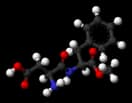
Sucralose – E955, sold as Splenda and under supermarket brands – is an intense sweetener about 600 times sweeter than sugar. It is made from ordinary sugar by a chemical process that swaps three parts of the sugar molecule for chlorine, which the body cannot digest, so it adds sweetness without calories. There is no animal or alcohol input at any stage, and it is Halal.[4] Certifier E-number lists put it with the Halal additives.[3]
Where you will find it
Sucralose stays stable when heated, so it is used more widely than some other sweeteners:
- diet and "zero" soft drinks and flavoured waters,
- protein powders, sports drinks and meal-replacement shakes,
- sugar-free sauces, jams and desserts, and home baking,
- chewing gum and sugar-free sweets.
US rules permit it as a food additive.[2]
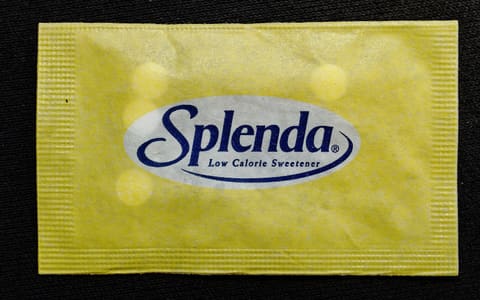
Splenda granules and sachets
A spoonful of sucralose would be far too sweet, so table-top products bulk it out with maltodextrin or dextrose, both made from corn or wheat starch; see maltodextrin and dextrose. That is why "Splenda" measures spoon-for-spoon like sugar.
Health questions
Sucralose is debated in nutrition research, as all sweeteners are. Those are safety questions for regulators and for personal choice, not Halal ones.[5]
The product still decides
A sucralose-sweetened product still needs its other ingredients checked: protein powders can contain gelatin or other animal-sourced ingredients, and drinks have colours and flavourings. For other sweeteners, see aspartame, acesulfame K, stevia and the other intense sweeteners.
How to verify
- Sucralose / E955 / Splenda sweetener → Halal.
- Splenda blends may include maltodextrin—still typically Halal.
- Read diet drinks and gums for gelatin and flavours.
Quick checks
- Sucralose (E955): Halal
- Table-top sachets: maltodextrin or dextrose, also Halal
- Check the product's other ingredients
Frequently asked questions
Is sweetener 955 or INS 955 the same as E955?
Is sucralose Halal?
Is Splenda Halal?
Does a sucralose-sweetened product need checking?
Sources
Named Islamic, certifier, manufacturer, and regulatory sources used on this page. Inline markers like [1] jump here. Retrieval dates show when we last checked the live URL. Editorial methodology.
Islamic / scriptural
-
Qur'an Retrieved
Eat of what is lawful and good on the earth: food is permitted unless a text forbids it.
Certifier / jurisdiction
-
SANHA — Halaal E-numbers listing
SANHA Retrieved
Named SANHA E-number entry (ingredient-class; not a product certificate).
Regulatory / labelling
-
FAO / WHO Codex Retrieved
Codex International Numbering System (INS) identity for food additives.
-
U.S. eCFR Retrieved
U.S. identity / GRAS or colour-additive listing—not a Halal ruling.
-
People also check
Related ingredients and products for this item.