
Is Acesulfame K (E950) Halal?
Yes — this one is Halal.
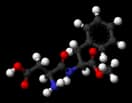
Acesulfame K (acesulfame potassium, Ace-K, E950) is a fully synthetic sweetener made from chemical feedstocks—no animal tissue or beverage alcohol in the finished crystal.
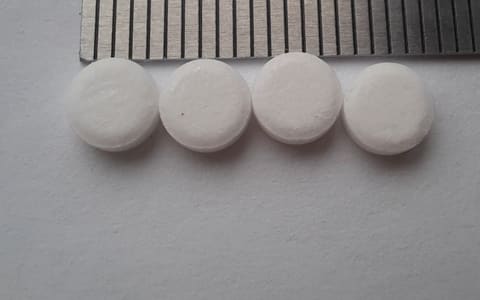
Photo: Centhum · CC BY-SA 3.0
Additive identity
Possible source pathways
The finished molecule can be identical across feedstocks. The Halal ruling follows the pathway, not the code alone.
E950 Possible source pathways
- synthetic Halal Typical Fully synthetic sweetener. Finished diet drinks still need separate colour, gelatin, and alcohol checks.
Where you'll find it
- Diet and zero-sugar sodas
- Sugar-free gum and candy
- Tabletop sweetener blends
- Protein shakes and powders
- Sugar-free desserts and yogurts
Why this ruling
Yes—acesulfame K (also acesulfame potassium, Ace-K, EU E950) is Halal. It is synthetic chemistry from non-animal feedstocks. When you see E950 on a diet soda, the sweetener line is not the problem; other ingredients and brand extensions still might be.
Name map
| Name | Same substance? |
|---|---|
| Acesulfame K | Yes |
| Acesulfame potassium | Yes |
| Ace-K | Yes (common shorthand) |
| E950 | Yes (EU code) |
| Aspartame / E951 | No—different sweetener, often blended |
Regulatory identity (not a fiqh objection)
In the United States, acesulfame potassium is permitted as a sweetener; FDA maintains consumer-facing information on high-intensity sweeteners.[2] In the EU it is listed as E950.[3] Those pages settle identity and permitted use, and nothing in them points to an animal source for Ace-K.
Why certifiers treat E950 as easy
There is nothing in the Ace-K molecule for a Halal analysis to flag the way gelatin, certain E471 streams, or L-cysteine can be flagged. SANHA’s E950 page lists Status Halaal / synthetic chemical and notes certification is no longer active.[6] Finished soft drinks may still carry market-specific Halal marks—check the can, not the sweetener class alone.[5] Ace-K sits with aspartame (E951) and sucralose in the synthetic-sweetener easy category: no slaughter or insect-source questions.
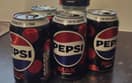
A diet soda can still fail on carmine colour, alcohol novelty products, or gelatin-filled companion products. PepsiCo’s diet/zero portfolio is a common place shoppers meet Ace-K blended with aspartame—judge the can, not the sweetener class alone.[4] See Pepsi, Aspartame (E951), and Energy Drinks.
Health debates vs fiqh
Taste preference and “natural vs artificial” marketing surround Ace-K constantly. Those are nutrition debates, not Islamic prohibition. Scholars who counsel limiting ultra-sweet beverages are giving wellbeing advice inside the permissible, not reclassifying E950 as Haram.
Realistic verification
- Treat Ace-K / E950 itself as Halal when named.
- Still read the full product for colours, gelatin, and alcohol variants.
- Prefer Halal-marked diet drinks if your practice requires certified supply chains.
How to verify
- Confirm acesulfame K / acesulfame potassium / Ace-K / E950 on the label.
- Treat the sweetener itself as Halal; still read the full product for colours, gelatin, and alcohol novelty products.
- Prefer Halal-marked diet drinks if your practice requires certified supply chains.
Frequently asked questions
Is sweetener 950 or INS 950 the same as E950?
Is acesulfame K Halal?
Is E950 the same as acesulfame K?
Is E950 the same as aspartame?
Are diet sodas Halal because their sweeteners are?
Do artificial sweeteners have Islamic health concerns?
Scholarly view
Ace-K is synthesized from acetoacetic acid derivatives and potassium—laboratory chemistry end to end, with no animal inputs and no fermentation media in the finished crystalline sweetener. Health debates about sweeteners are a separate, non-fiqh conversation.
Sources
Named Islamic, certifier, manufacturer, and regulatory sources used on this page. Inline markers like [1] jump here. Retrieval dates show when we last checked the live URL. Editorial methodology.
Certifier / jurisdiction
-
Portal Halal Malaysia (MYeHALAL)
JAKIM Retrieved
-
SANHA Retrieved
SANHA E-number consumer guidance: Status Halaal as ingredient class. Page states certification is no longer active / removed from public listings — not a current product certificate.
Manufacturer / product
-
PepsiCo Retrieved
Diet/zero lines commonly blend Ace-K with aspartame; defer to the can you hold for exact sweeteners and colours.
Regulatory / labelling
-
FAO / WHO Codex Retrieved
Codex International Numbering System (INS) identity for food additives.
-
Aspartame and Other Sweeteners in Food
U.S. FDA Retrieved
High-intensity sweetener literacy including Ace-K context.
-
-
European Commission — Food additives
European Commission Retrieved
Union-list / additives framework including E-number identity.
People also check
Related ingredients and products for this item.