isithalal.food Logo

Is Pepsi Halal?

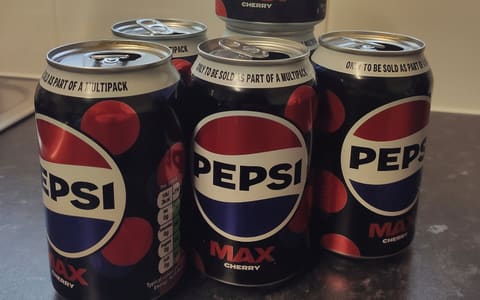
Pepsi's typical ingredients—carbonated water, sweeteners, caffeine, phosphoric acid, and flavorings—are not themselves haram.

Ruling

Halal

Evidence confidence
Low

How we decide

Applies to
General ruling; confirm local labels, slaughter, and certification when relevant
Last reviewed
19 July 2026

Check another food

Evidence at a glance

Named sources used for this page. Open the full Sources block for notes and citation numbers.

Source Type Retrieved
Editorial methodology — isithalal.food isithalal.food Islamic / scriptural 2026-07-19

Full Sources

Cola in a glass (product-neutral)

Why this ruling

Pepsi's typical ingredients—carbonated water, sweeteners, caffeine, phosphoric acid, and flavorings—are not themselves haram. Mainstream scholars treat cola-type soft drinks as Halal when no animal-derived or intoxicating ingredients are present. A global Halal logo is not required for that base ruling, though certified cans are preferable if you want extra assurance.

Pepsi is the world’s number-two cola: carbonated water, sugar (or sweeteners in diet variants), caramel color, phosphoric acid, caffeine, and the guarded “natural flavors” blend. For Halal purposes it is a reassuringly ordinary product—no alcohol as an ingredient, no animal derivatives, nothing intoxicating as drunk—and colas have been ruled permissible since Egypt’s mufti issued the famous 1951 fatwa green-lighting Coca-Cola and Pepsi by name.

PepsiCo publishes brand information for consumers (pepsi.com, retrieved 20 July 2026). Caffeine context for soft drinks is covered in FDA consumer guidance (FDA caffeine update, retrieved 20 July 2026). Regional Halal marks appear where bottlers certify—check the can in Gulf and Southeast Asian markets via local authority portals such as MYeHALAL (retrieved 20 July 2026).

Three residual questions

  1. Secret formula / natural flavors — Flavor essences industry-wide may use trace ethanol as an extraction carrier. Mainstream scholars permit that because no intoxicant survives in the drink (the same logic covering soft drinks generally). No credible analysis has found animal ingredients in classic Pepsi.
  2. Certification — PepsiCo certifies production in many Muslim-majority regions, but not typically with consumer-facing marks in the US or UK. Western Pepsi is therefore “Halal by ingredient analysis” rather than “certified Halal”—a distinction that matters to strict certification-only consumers and not to the scholarly mainstream.
  3. Diet variants — Aspartame, acesulfame-K, and sucralose are synthetic chemicals, Halal without controversy (see Acesulfame K).

Fountain service and brand extensions

Soda itself is fine anywhere as a syrup category, but bar guns that pour cola through the same lines as alcoholic mixers are a cross-contact point some diners prefer to avoid—bottled or canned service sidesteps it. Do not assume every PepsiCo brand extension (flavored colas, novelty SKUs) matches the classic analysis—check that label. Compare Coca-Cola for the parallel cola ruling.

Realistic verification

  1. Confirm your can/bottle matches classic cola ingredients.
  2. Prefer Halal-marked Pepsi where bottlers certify.
  3. Treat flavored PepsiCo extensions as separate product checks.
  4. Use sealed cans if shared alcohol fountain guns bother you.

Bottom line: regular, Max, and diet Pepsi are Halal per the overwhelming mainstream position; the seventy-year-old cola fatwa remains one of modern fiqh’s more settled answers.

Pepsi Max, flavor extensions, and fountain guns

Pepsi Max and Diet Pepsi follow the same mainstream Halal analysis as regular Pepsi when the only change is the sweetener system. Mango, vanilla, and limited-edition colas can introduce new flavor houses—spend ten seconds on that ingredient line. At movie theatres and sports venues, fountain Pepsi is usually fine as syrup, but shared alcohol nozzles remain a preference issue for some diners; a sealed bottle from the concession fridge removes it.

Sources

Where you'll find it

  • Pepsi, Pepsi Max, Diet Pepsi
  • Fountain drinks at restaurants
  • Mixers in mocktails
  • 7Up and Mountain Dew (same company)

How to verify

Check your local can or bottle for a Halal mark if you prefer certified supply chains. Flavor formulas can vary by market; when a regional formula changes, re-check that SKU.

  • Confirm your can/bottle matches classic cola ingredients.
  • Prefer Halal-marked Pepsi in markets that certify bottling.
  • Treat flavored PepsiCo extensions as separate product checks.

Conditions for Halal

  • Base cola ingredients are plant-based or synthetic and treated as Halal.
  • Prefer Halal-certified packaging in markets where you want stronger assurance.
  • Do not assume every PepsiCo brand extension (e.g. flavored variants) matches the classic cola analysis—check that label.

Scholarly differences

The ingredients - carbonated water, sugar, caramel color, phosphoric acid, caffeine, natural flavors - contain nothing animal-derived or intoxicating, and the 1951 Egyptian fatwa permitting colas settled the classical question. Two residual notes: the secret 'natural flavors' may use trace alcohol as a processing carrier (mainstream scholars permit such non-intoxicating processing traces), and certification exists only in some regions. The overwhelming majority position: permissible.

Frequently asked questions

Does Pepsi contain alcohol?
No alcohol is an ingredient. Like most sodas, its flavor essences may be processed with trace alcohol carriers that do not survive as intoxicants in the drink - a category mainstream scholars permit, the same analysis as soft drink flavors generally.
Is Diet Pepsi halal?
Yes per mainstream analysis - aspartame and other sweeteners are synthetic. The 'secret formula' talking point applies to all colas; no credible evidence suggests any animal or intoxicating ingredient.
Is Pepsi halal certified?
In Muslim-majority markets, yes - regional bottlers hold certification. In the US/UK, PepsiCo doesn't seek certification, so the drink is 'halal by ingredients' rather than certified - sufficient for the vast majority of scholars.
Was there really a fatwa about cola?
Yes - in 1951 Egypt's mufti Hasanayn al-Makhluf ruled Coca-Cola and Pepsi permissible, one of the twentieth century's well-known food fatwas. The permissibility of colas has been mainstream ever since.

Sources

Named Islamic, certifier, manufacturer, and regulatory sources used on this page. Inline markers like [1] jump here. Retrieval dates show when we last checked the live URL. Editorial methodology.

Islamic / scriptural

  1. Editorial methodology — isithalal.food

    isithalal.food

    How we classify rulings and cite sources on food pages.

    Retrieved: 2026-07-19

Browse this topic

Open the parent category hub for more foods in the same group.