
Why it is Haram
Rum is khamr in concentrated form. The sugarcane agricultural story does not create a Halal exception. Hadith principles that what intoxicates in quantity is Haram in small quantity apply to shots and to residual rum in briefly cooked desserts.
Artificial rum flavouring without alcohol is a different ingredient and must be judged on its own label. Cachaça is classed as a type of rum under U.S. TTB identity rules and carries the same Haram ruling as a drink.
Quranic guidance
-
Surah Al-Ma'idah 5:90
"O you who believe, indeed intoxicants, gambling, sacrificing on stone alters, and divining arrows are but defilement from the work of Satan, so avoid it."
Where it shows up
- Cocktails (Mojito, Daiquiri, Piña Colada)
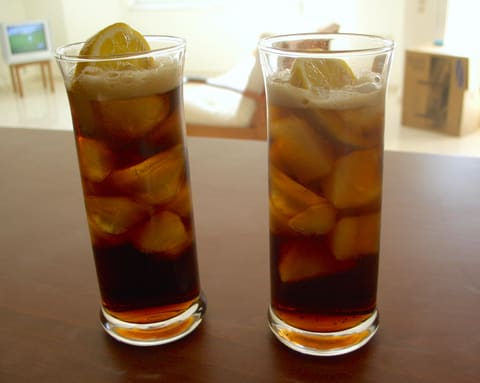
- Rum and cola mixed drinks
- Rum cakes, flambé desserts, and ice cream
- Marinades and barbecue sauces in some cuisines
- Spiced rum sipping spirits
What decides the answer
-
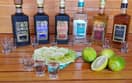
All beverage rum (white, gold, dark, spiced)
Haram -
Food deliberately prepared with rum — under mainstream practice
Haram -
Non-alcoholic rum-flavoured extracts: check label for alcohol content
Why this ruling
Rum is a distilled spirit produced from fermented sugarcane juice, syrup, molasses, or other sugarcane by-products, then typically aged or flavoured into white, gold, dark, or spiced styles. Caribbean and Latin American industries made it globally famous; today it appears everywhere from beach cocktails to supermarket rum cakes. In Islamic law it is straightforwardly Haram as an intoxicating drink.
Regulatory identity (why “it’s just sugarcane” fails)
U.S. Alcohol and Tobacco Tax and Trade Bureau standards at 27 CFR § 5.147 define rum as distilled spirits from fermented sugarcane materials, distilled at less than 95% alcohol by volume, having the taste and aroma of rum, and bottled at not less than 40% alcohol by volume (80 proof) (retrieved 20 July 2026). That legal floor alone places commercial rum deep in spirit territory—about as alcoholic as vodka or whiskey. The same section treats Brazilian cachaça as a type within the rum class for labelling purposes. None of these identity rules create a Halal pathway; they confirm rum is concentrated ethanol for beverage use.
Quran 5:90 commands believers to avoid intoxicants. Combined with the prophetic rule that whatever intoxicates in large amounts is Haram in small amounts, shots of rum, rum cocktails, and cooking that deliberately adds rum all fall on the prohibited side.
Styles and culinary traps
White / silver rum — clear, common in Mojitos and Daiquiris.
Gold / dark rum — barrel-influenced colour and flavour; still ~40%+ ABV.
Spiced rum — sugar and spices added; alcohol remains.
Agricole rum — fermented cane juice tradition (e.g. Martinique); still rum.
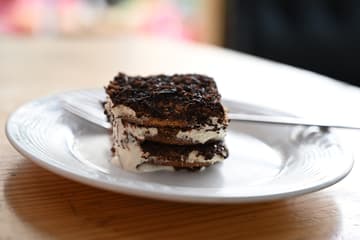
Rum cake, baba au rhum, flambé bananas, rum-raisin ice cream — dessert applications that often use real rum. Bakery “rum flavour” may be alcohol extract. Ask or read.
Market differences change which cocktails are popular, not the ruling. Duty-free Caribbean rum, supermarket spiced rum in the US/UK, and local cane spirits in Latin America are the same category of intoxicant. Hotel buffets and cruise menus often soak cakes in rum syrup without listing it on the guest-facing card—ask pastry staff directly. “Rum essence” in industrial ice cream can mean either synthetic esters in a propylene-glycol carrier or ethanol-based extract; only the alcohol-free version is a candidate substitute, and even then you still check emulsifiers and gelatin on that dessert.
Substitutes when a recipe calls for rum
| Recipe role | Practical Halal swap |
|---|---|
| Cocktail | Non-alcoholic mocktail (lime, mint, soda, sugar) |
| Cake soak | Fruit juice, sugar syrup, or alcohol-free imitation rum flavour |
| Flambé drama | Skip the flame step; use caramelized sugar and juice for flavour |
| Marinade sweetness | Brown sugar, molasses, pineapple juice |
Molasses itself (unfermented) is a sugar product and Halal; fermented-distilled molasses spirit is rum and Haram.
Realistic verification
- If the bottle or cocktail menu says rum, do not drink it.
- For desserts, ask “real rum or just flavouring?” and check extract labels.
- Reject “the alcohol cooked off” as a Halal argument for spirit-dosed food.
- Treat cachaça and spiced rum the same as white rum for drinking rules.
Why the Hanafi allowance doesn't cover rum cake
Hanafi jurists distinguish wine from other alcohols and allow some non-wine alcohol under strict conditions, which is why a trace of alcohol in soy sauce is treated differently. A SeekersGuidance answer applies those conditions to rum and beer in cakes and finds they fail: the alcohol is added precisely for its taste, so it is the point of the pleasure, and the cake is impermissible [2].
How to verify
Check labels carefully for alternate names or derivatives linked to rum, and choose clearly Halal or plant-based alternatives instead.
Frequently asked questions
Is rum Halal if it is made from sugarcane rather than grapes?
Does rum burn off in rum cake or flambé?
What about rum extract in baking?
Is non-alcoholic rum and cola Halal?
Is cachaça or agricole rum treated differently?
The Hanafi school allows some non-wine alcohol. Does that make rum cake Halal?
Sources
Named Islamic, certifier, manufacturer, and regulatory sources used on this page. Inline markers like [1] jump here. Retrieval dates show when we last checked the live URL. Editorial methodology.
Islamic / scriptural
-
SeekersGuidance: Is using rum or beer in cakes permissible if it does not intoxicate?
SeekersGuidance Retrieved
Hanafi answer (Shaykh Yusuf Weltch, checked by Shaykh Faraz Rabbani, 3 March 2023): rum and beer in cakes are impermissible because the alcohol is the point of the flavour, failing the conditions for non-wine alcohol.
-
Qur’anic text Retrieved
O you who believe, indeed intoxicants, gambling, sacrificing on stone alters, and divining arrows are but defilement from the work of Satan, so avoid it.
Regulatory / labelling
-
Retrieved