
How to verify
- Ask bakeries about gelatin, alcohol flavour, and fat sources.
- For boxed mixes, read emulsifiers and flavourings.
What decides the answer
-
Base cake ingredients (flour, sugar, eggs, oil/butter) are Halal.
-
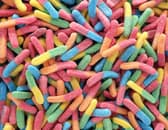
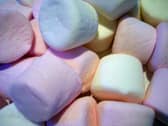
Watch gelatin in frosting, marshmallow, or jelly layers.
-
Skip alcohol-based extracts or liquor syrups.
-
Confirm shortening is vegetable or Halal-certified animal fat.
Why this ruling
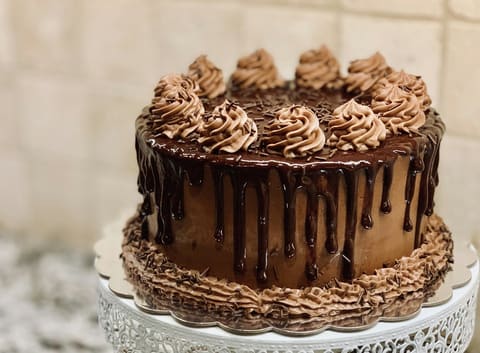
Cake is recipe-dependent. A plain batter made with flour, sugar, eggs, plant oil or ordinary butter is normally Halal, but fillings, glazes, syrups and decorations can change the ruling. The category is therefore Halal if verified, not a blanket verdict for every bakery or packaged cake.
Batter vs finishing
The cited IslamQA ruling permits vanilla extract in ordinary non-intoxicating baking amounts; this is an attributed position, not a claim of universal scholarly agreement.[2] See Vanilla Extract for the full ruling and alternatives. A plain homemade sponge, pound cake or tray of cupcakes is Halal when its actual ingredients follow the checks below.
Post-oven hazards, in rising order of frequency:
- Colours — Pink and red decorations sometimes use carmine (E120)—scholarly difference (see Carmine); gel colours are usually synthetic and fine (FDA carmine page, retrieved 20 July 2026).
- Gelatin — Mirror glazes, mousse layers, stabilized creams, marshmallow fondant—virtually never source-labelled in ordinary bakeries (FDA food ingredients, retrieved 20 July 2026).
- Alcohol — Liqueur syrups on “moist” European-style layers, marsala in tiramisu, rum cakes, kirsch in Black Forest, brandy-fed fruitcakes. These retain alcohol by design and are Haram.
- Packaged snack cakes — Swap liqueur risk for additive risk: E471 emulsifiers and crème-filling gelatin, answered by brand vegetarian lists or certification.
Birthday bakeries and tiramisu
Simple sponge-and-buttercream cakes from a regular bakery are usually fine after two questions: any liqueur or wine syrups, and any gelatin in fillings or fondant. Fancy patisserie warrants both questions every time. Traditional tiramisu contains marsala and often rum or coffee liqueur—Haram as classically made; alcohol-free café versions are widely available in Muslim markets. See Gelatin, Pastries, and Brownies.
Home oven advantage
None of cake’s glories require Haram finishing. Halal bakeries produce mirror-glazed mousse cakes on agar, tiramisu on alcohol-free espresso syrup, and celebration tiers indistinguishable from any patisserie’s—and the home oven remains the most controlled kitchen you own. Ask two questions at the counter—liqueur? gelatin?—and cake stays pure celebration.
Realistic verification
- Homemade plain cakes: Halal.
- Bakery orders: ask about alcohol syrups and gelatin.
- Packaged snack cakes: read emulsifiers, gelatin, and carmine.
- Prefer Halal-certified bakeries for mousse and mirror-glaze showpieces.
Wedding cakes and hotel buffets
Multi-tier wedding cakes amplify every finishing risk: fondant with glycerin, mirror glaze with gelatin, champagne syrups between layers, and decorative paints that may use carmine. Ask the baker for a written ingredient sheet for fillings and glazes, not only the sponge recipe. Hotel breakfast muffins and “chef’s cake” slices are rarely audited—prefer sealed packaged cakes with a Halal mark when traveling, or fruit plates when the pastry station cannot answer.
Where you'll find it
- Birthday and celebration cakes
- Packaged snack cakes
- Mousse cakes and glazed patisserie
- Fruitcakes and holiday bakes
- Cupcakes and sheet cakes
Frequently asked questions
Is birthday cake from a regular bakery halal?
Is tiramisu halal?
Why would cake contain gelatin?
Are packaged snack cakes halal?
Does baking burn off vanilla extract's alcohol?
Scholarly view
Three recurring cake issues: alcohol—the cited IslamQA 177030 ruling permits vanilla extract in ordinary non-intoxicating amounts, but that does not cover liqueur-soaked layers, rum cakes or brandy-fed fruitcakes; gelatin—mirror glazes, mousse layers, marshmallow fondant and stabilised whipped creams may use it with an undisclosed source; emulsifiers and colours—E471 and carmine keep their own source-dependent rulings. Ask for the exact recipe rather than treating patisserie as one category.
Sources
Named Islamic, certifier, manufacturer, and regulatory sources used on this page. Inline markers like [1] jump here. Retrieval dates show when we last checked the live URL. Editorial methodology.
Islamic / scriptural
-
IslamQA Retrieved
Supports gelatin-source caution in frostings/mousse (claim-level religious evidence).
-
IslamQA 177030 — vanilla extract / alcohol
IslamQA Retrieved
Supports alcohol-extract / flavour checks for cakes (paired with vanilla page).
People also check
Related ingredients and products for this item.
Browse this topic
Open the parent category hub for more foods in the same group.