
Is Champagne Halal?
No — this one is Haram.
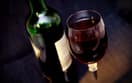
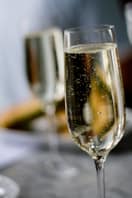
Champagne is Haram—it is sparkling wine (about 12% alcohol), and wine is the original khamr prohibited by the Quran.
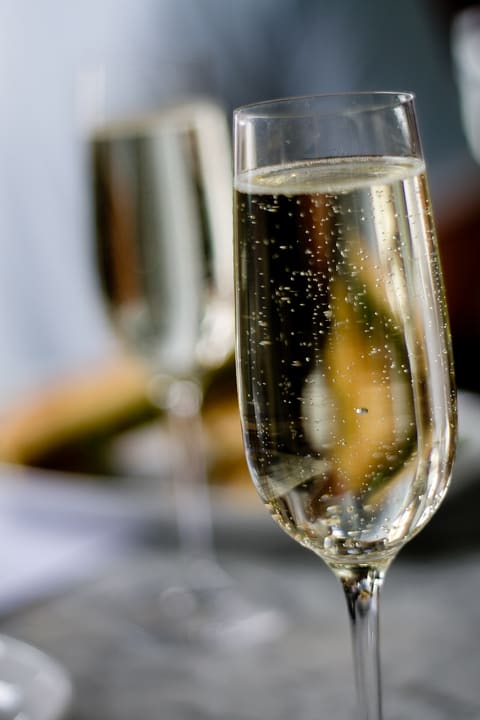
Photo: Lachlan Hardy · CC BY 2.0
Why it is Haram
Champagne is wine with bubbles - grape ferment at ~12% ABV - and wine is khamr by the Quran's direct text, the archetype of the category. Prosecco, cava, and all sparkling wines share the ruling.
Champagne vinegar, however, follows vinegar fiqh: fully transformed vinegar is halal per the majority (the transformation of wine to vinegar is a recognized purification), with the Hanafi school explicitly permitting it and the Shafi'i school permitting self-transformed vinegar.
Quranic guidance
-
Surah Al-Ma'idah 5:90
"O you who believe, indeed intoxicants, gambling, sacrificing on stone alters, and divining arrows are but defilement from the work of Satan, so avoid it."
Where it shows up
- Celebration toasts (weddings, New Year)
- Champagne in cocktails (mimosas, bellinis)
- Champagne sauces (beurre blanc) and mignonettes
- Champagne vinegar (see FAQ - different ruling)
Why this ruling
Champagne is sparkling wine from France's Champagne region - grape wine carbonated by a second fermentation in the bottle, poured at roughly 12% alcohol wherever the world celebrates. In Islamic law it is the simplest of cases: wine is khamr, the very substance the Quran named when prohibiting intoxicants (5:90), and bubbles, prestige, and occasion change nothing. Prosecco, cava, cremant, and every other sparkling wine carry the identical ruling.
The cultural pressure is champagne's real distinctiveness: it is the drink of toasts, weddings, launches, and midnight on New Year's Eve, and Muslims get handed a flute more often than a whiskey glass. The fiqh is unmoved - what intoxicates in quantity is haram in any quantity, with no ceremonial exception for a sip - but the social solution is now genuinely easy. Sparkling grape juice and alcohol-free celebration cuvees are supermarket staples, halal-certified wedding bubblies exist as a product category, and a mimosa built on sparkling white grape juice reads identically in the glass. Raise the toast; skip the ferment.
In the kitchen, champagne appears in beurre blanc sauces, risottos, and raw-bar mignonettes - all prohibited as made, all trivially replaced with lemon and good vinegar. Which raises the one genuinely interesting cousin: champagne vinegar. Vinegar made from wine is halal per the majority of scholars once fully transformed - the change from intoxicant to acid is a recognized purification in fiqh, with the Hanafi school permitting deliberately converted vinegar and the Shafi'i school accepting self-transformation. So the champagne vinegar in a vinaigrette is permissible for most, even as the champagne itself never is; those following stricter positions simply reach for apple cider or distilled vinegar.
For the celebration itself, nothing is lost: the sparkle, the pop, and the raised glass all survive the swap to juice - only the intoxicant, the thing actually prohibited, stays on the shelf.
Toasts, weddings, and social settings
The fiqh does not carve out a “celebration sip.” What intoxicates in quantity is Haram in any quantity. Sparkling grape juice, non-alcoholic sparkling cider (confirm 0.0% where needed), and Halal-market celebration bubblies preserve the ritual of the raised glass. Mimosas and Bellinis built on sparkling wine inherit the wine ruling; rebuild them on juice.
Kitchen uses
Champagne beurre blanc, risotto “au champagne,” and raw-bar mignonettes put sparkling wine into food. Cooking does not purify khamr. Lemon, stock, and ordinary vinegar cover the culinary job. Champagne vinegar is a separate product under vinegar/takhallul analysis—see red wine vinegar and vinegar.
Champagne and champagne vinegar
- Champagne as wine: Same khamr ruling as still wine (Qur’an 5:90). Bubbles and celebration do not create an exception.
- Champagne vinegar: Majority istihalah practice treats fully transformed vinegar as permissible; Hanafi and Shafi‘i nuances on how vinegar is produced are summarised on the vinegar pages. Named contemporary explainers on vinegar transformation: IslamQA vinegar materials (islamqa.info, retrieved 20 July 2026). This does not make drinking champagne Halal.
Prosecco, Cava, and “sparkling wine”
Region and method (Champagne vs Prosecco vs Cava) change marketing, not the Islamic category: all are sparkling grape wine and Haram as drinks.
Airport lounges and wedding vendors increasingly stock 0.0% sparkling options; confirm the bottle says non-alcoholic or 0.0% rather than assuming sparkling means juice.
Champagne in chocolates
"Champagne truffles" usually get their flavour from marc de champagne, a grape brandy distilled from the skins and seeds left after champagne-making. Darul Iftaa Birmingham, asked about a premium chocolate containing it, ruled such chocolates Haram [9]. The ingredient line tells you which kind you have.
How to verify
- Sparkling grape juice, sparkling apple cider (non-alcoholic), and a growing market of 0.0% 'sparkling celebration' drinks fill the flute.
- For mimosas: orange juice with sparkling white grape juice.
- Halal-certified celebration bubblies are sold specifically for Muslim weddings.
Quick checks
- Ask about champagne sauces, sorbets and mignonettes; champagne vinegar follows the vinegar ruling instead.
Frequently asked questions
Is a small celebratory sip of champagne excused?
Are prosecco and cava the same ruling as champagne?
Is champagne vinegar halal?
What about champagne sauce on food?
Can Muslims attend toasts where champagne is served?
Is 'halal champagne' or alcohol-free sparkling wine Halal?
Are champagne truffles or marc de champagne chocolates Halal?
Sources
Named Islamic, certifier, manufacturer, and regulatory sources used on this page. Inline markers like [1] jump here. Retrieval dates show when we last checked the live URL. Editorial methodology.
Islamic / scriptural
-
MuslimSG / MUIS Fatwa Committee — non-alcoholic beer/wine/spirits
MUIS (via MuslimSG) Retrieved
MUIS Fatwa Committee: de-alcoholised / NA beer-wine-spirits style drinks not permitted.
-
IslamWeb fatwa 299059: Ruling on beer with 0.5% alcohol
IslamWeb (Qatar Ministry of Awqaf and Islamic Affairs) Retrieved
26 November 2015: a drink with 0.5% or a similar trace of alcohol is lawful if it has no intoxicating effect even when drunk in large quantities; if the alcohol has an intoxicating effect, it is unlawful.
-
AskImam 18590: Is it permissible to drink non-alcoholic beer?
AskImam / Mufti Ebrahim Desai (via IslamQA.org) Retrieved
It is not permissible to drink any beverage having alcohol in it; the question named 0.2 to 0.5% alcohol.
-
Retrieved
-
Darul Iftaa Birmingham: Champagne chocolates, halal or haram?
Darul Iftaa Birmingham (via IslamQA.org) Retrieved
Marc de Champagne is a brandy made from the skins and seeds left after champagne-making; chocolates containing it are haram.
-
Qur’anic text Retrieved
O you who believe, indeed intoxicants, gambling, sacrificing on stone alters, and divining arrows are but defilement from the work of Satan, so avoid it.
Certifier / jurisdiction
-
Retrieved
Regulatory / labelling
-
UK DHSC — low-alcohol descriptors guidance
GOV.UK / DHSC Retrieved
England guidance: ‘alcohol free’ ≤0.05% ABV (not the US 0.5% ‘non-alcoholic’ line). EU descriptors are not fully harmonised.