
Is Cava Halal?
No — this one is Haram.
Cava is Haram—it is Spanish sparkling wine (about 11-12% alcohol) made by the same method as champagne, and all wine is khamr.
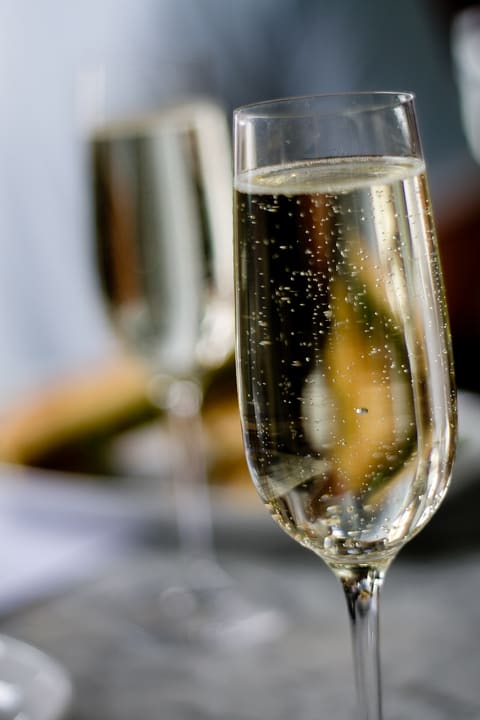
Photo: Lachlan Hardy · CC BY 2.0
Why it is Haram
Cava is wine - grape ferment, bottle-fermented for bubbles like champagne - and takes wine's ruling without qualification. Note for diners confused by the name: 'Cava' is also a US fast-casual Mediterranean restaurant chain unrelated to the drink; the chain's food is a separate halal question about meat sourcing, not alcohol.
Quranic guidance
-
Surah Al-Ma'idah 5:90
"O you who believe, indeed intoxicants, gambling, sacrificing on stone alters, and divining arrows are but defilement from the work of Satan, so avoid it."
Where it shows up
- Celebration toasts (Spain's champagne)
- Cocktails and sangria bases
- Tapas pairings and restaurant aperitifs
- Splash in some Spanish sauces
What decides the answer
-
Sparkling grape juice
Halal -
Cava and all sparkling wine
Haram -
Cava sauces or sorbets
Haram
Why this ruling
Two things are called cava. This page is about the Spanish sparkling wine. If you mean CAVA, the American Mediterranean bowl chain, it has nothing to do with the drink: see Is CAVA (the restaurant) Halal?
The wine
Cava is Spain's answer to champagne: sparkling wine, mostly from Catalonia, made by the same second fermentation inside the bottle and poured at about 11–12% alcohol. "Cava" on a wine label is a protected designation, so any bottle carrying it is wine.[2]
In Islamic law it needs no separate analysis. Cava is wine, wine is khamr, and khamr is forbidden by the Qur'an's prohibition of intoxicants and by the agreement of every school.[1] The region and the bubbles are wine-trade details, not differences in the ruling. Champagne and prosecco are in exactly the same place.
Where cava turns up besides the glass
| Where | What to know |
|---|---|
| Sparkling sangria | Wine with fruit in it; the fruit changes nothing. |
| Spanish pan sauces | Cooking does not remove all the alcohol, and a splash has no minimum below which it stops counting. |
| Cocktails | Cava is the wine in a mimosa-style drink. |
| Cava vinegar | A vinegar question, not a wine one: the majority hold wine that has fully turned to vinegar is permissible, while stricter followers pick apple or distilled vinegar. |
At a Spanish table or wedding
Wedding toasts in Spain default to cava, so ask the banquet manager early for sparkling grape juice. At tapas bars, ask that your dish be made without wine. Gazpacho, tortilla española, grilled seafood and paella made with a wine-free stock carry no alcohol question at all.
A drink sold as alcohol-free sparkling grape juice is not cava, and a bottle labelled Cava is not alcohol-free.
How to verify
Alcohol-free sparkling grape juice and 0.0% sparkling drinks stand in for cava at any Spanish table; for cooking, white grape juice with a splash of vinegar replaces cava in sauces.
Quick checks
- Cava = wine = Haram.
- Sangria and cooking splashes share the ruling.
- Cava vinegar: majority Halal after istihalah.
- Restaurant chain CAVA ≠ the drink.
Frequently asked questions
Is cava different from champagne in Islamic law?
Is the Cava restaurant chain halal?
Is sangria halal if made with cava or wine?
Is cava vinegar halal?
Sources
Named Islamic, certifier, manufacturer, and regulatory sources used on this page. Inline markers like [1] jump here. Retrieval dates show when we last checked the live URL. Editorial methodology.
Islamic / scriptural
-
Retrieved
-
Qur’anic text Retrieved
O you who believe, indeed intoxicants, gambling, sacrificing on stone alters, and divining arrows are but defilement from the work of Satan, so avoid it.
Manufacturer / product
-
Retrieved
Regulatory / labelling
-
Retrieved
People also check
Related ingredients and products for this item.