How to verify
- Confirm you mean the restaurant, not Spanish cava wine.
- Ask the location whether it holds current Halal paperwork for its meat, and ask to see it.
- Otherwise choose falafel, vegetables, greens and grains, and ask about the ingredients of any dip or dressing.
- Ask about shared tongs, boards and the grill if cross-contact matters to your standard.
Quick checks
- Restaurant or wine? They share a name and nothing else.
- Braised lamb: CAVA says the meat is certified Halal.
- Lamb meatballs: CAVA says not certified Halal.
- Chicken and steak: no statement; ask the location.
What decides the answer
-
Braised lamb: CAVA says the meat is certified Halal (2017); the spices are not certified
-
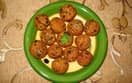
Spicy lamb meatballs: CAVA says not certified Halal (2020)
-
Chicken and steak: no CAVA statement found; Halal if the location shows current paperwork
-
Falafel and vegetable builds: no slaughter question; shared prep is your call
-
Not the same thing as Spanish cava wine, which is Haram as wine
Why this ruling
CAVA is an American fast-casual Mediterranean chain: build-your-own bowls and pitas with grilled chicken, braised lamb, falafel, grains, greens and dips. It shares a name with cava the Spanish sparkling wine and nothing else. If you arrived here about the drink, that ruling is on the cava page: it is wine, and wine is Haram.
What CAVA has said
CAVA has answered the Halal question twice on its own X account. In November 2017 it said the meat in its braised lamb is certified Halal, and that while the spices are not certified, none of the ingredients breaks Halal requirements.[1] In January 2020 it said its spicy lamb meatballs are not certified Halal.[2]
Its annual report for 2025 says it owned and operated 439 restaurants in 28 states and Washington, D.C., all company-owned, produces its dips, spreads and dressings centrally, and serves only antibiotic-free beef and chicken.[3] It does not mention Halal, and we have not found a Halal statement on CAVA's site.[4] Nothing we found says the restaurants themselves are Halal-certified.
Protein by protein
| On the line | Slaughter question? | What CAVA has said |
|---|---|---|
| Braised lamb | Yes | Meat certified Halal; spices not certified (2017) |
| Spicy lamb meatballs | Yes | Not certified Halal (2020) |
| Grilled chicken | Yes | No statement found: Halal if verified |
| Steak | Yes | No statement found: Halal if verified |
| Falafel, vegetables | No | No slaughter question; shared prep is your call |
| Grains, greens | No | No slaughter question |
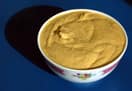
| Dips and dressings | No slaughter question | Ask for the ingredients |
The lamb statements are years old and the menu changes, so treat them as CAVA's last word rather than a current certificate.
What you can order without the meat question
Falafel, vegetables, greens and grains involve no slaughter. For dips and dressings, ask for the ingredient list. What remains is shared prep: tongs, boards and the line itself. That is a personal threshold rather than a ruling, so ask for fresh gloves and utensils if it matters to you.
If you want the meat
The braised lamb is the one meat CAVA has called Halal. For anything else, ask the location whether it holds current Halal paperwork, and ask to see it.[5] A staff member's recollection or a third-party blog is weaker than a certificate with a date on it. Because every restaurant is company-owned,[3] CAVA could publish one current answer for all of them; until it does, its two posts are the best evidence there is.
Where you'll find it
- Build-your-own Mediterranean bowls and pitas
- Grilled chicken, braised lamb, and lamb meatballs
- Falafel and roasted vegetable builds
- Hummus, tzatziki, and harissa dips
Frequently asked questions
Is CAVA the restaurant Halal?
Is CAVA's braised lamb Halal?
Are CAVA's lamb meatballs Halal?
Is CAVA chicken Halal?
Is CAVA the same as cava the wine?
What can I order at CAVA if I need Halal?
Scholarly view
This is the ordinary uncertified-restaurant question in a market with no national Halal programme, not a ruling about a specific ingredient. Scholars who require Islamic slaughter treat uncertified chain meat as impermissible; those who accept People-of-the-Book slaughter in non-Muslim countries may permit it. The vegetarian builds are outside that dispute apart from cross-contact.
Sources
Named Islamic, certifier, manufacturer, and regulatory sources used on this page. Inline markers like [1] jump here. Retrieval dates show when we last checked the live URL. Editorial methodology.
Certifier / jurisdiction
-
IFANCA — Halal certification (United States)
IFANCA Retrieved
Reference for what a US Halal certificate looks like when a location claims one. Not a certification of CAVA.
Manufacturer / product
-
CAVA (@cava, official account) Retrieved
28 November 2017: the meat in the braised lamb is certified Halal; the spices are not certified Halal, but none of the ingredients violate Halal requirements.
-
CAVA on X: spicy lamb meatballs
CAVA (@cava, official account) Retrieved
12 January 2020: the spicy lamb meatballs are not certified Halal.
-
CAVA Group, Inc. (via U.S. SEC EDGAR) Retrieved
Annual report for the year to 28 December 2025: CAVA owned and operated 439 restaurants in 28 states and Washington, D.C.; the CAVA segment includes all company-owned restaurants; dips, spreads and dressings are produced centrally; it serves only antibiotic-free beef and chicken. The report does not mention Halal.
-
CAVA Group, Inc. Retrieved
Operator site for menu and locations. We have not found a Halal statement on it.