

Food library
Food topics
Start with a topic or regional hub, then open the exact food page you need.
Browse by topic
Topic hubs group related foods with short guidance, so you can scan additives, meats, seafood, drinks, sweets, brands, or certification issues without one giant A–Z wall.
-
Additives & E-numbers
129Additives are where Halal questions often hide behind code numbers and vague label names. Use this hub for emulsifiers, colours, thickeners, sweeteners, and processing aids—especially items that may come from animal, insect, or alcohol-related sources. For the full E-number filter view, open the E-number database.
Open topic -
Meat & poultry
125Meat pages cover whole cuts, poultry, and processed products where slaughter method, species, or pork derivatives decide the ruling. Pork and its derivatives are Haram; other meats depend on Halal slaughter and processing.
Open topic -
Seafood & shellfish
39Seafood rulings can differ by school of thought—especially for shellfish—while fish is widely accepted as Halal. This hub groups fish, shellfish, and seafood sauces so you can check both the ingredient and the scholarly nuance.
Open topic -
Alcohol & drinks
44Intoxicating drinks are Haram. This hub also covers edge cases people ask about often: vinegars, vanilla extract, kombucha, non-alcoholic beer, and flavourings where residual alcohol or fermentation method matters.
Open topic -
Confectionery & desserts
137Sweets look simple until gelatin, carmine, mono- and diglycerides, whey, or liquor flavourings show up. Browse chocolates, candies, ice cream, and bakery desserts with those common risk points in mind. Shopping in the UK? See Halal sweets in the UK, brand by brand; in the US, Halal candy and snacks.
Open topic -
Restaurants & brands
213Brand and restaurant pages are market-sensitive: the same name can be Halal-certified in one country and not in another. Use this hub for chains, packaged snacks, sodas, and chocolate brands where local menus and factories matter.
Open topic -
Certification-sensitive foods
309Some foods are not simply Halal or Haram by name—the deciding factor is who made them and how. This hub collects items that commonly need a Halal mark, manufacturer confirmation, or country-specific checks.
Open topic


Browse by cuisine or region
-
Halal Italian food (Italy)
21Italian cooking leans on a handful of ingredients that decide almost every ruling. Pork (prosciutto, guanciale, pancetta, salami), wine in sauces, animal rennet in many PDO cheeses, marsala in desserts, and shared deli slicers decide most rulings. Italy has Halal certifiers and Muslim-owned restaurants in major cities; tourist trattorie need dish-by-dish checks.
Open topic -
Sardinian food (Sardinia)
6Sardinia’s pastoral and coastal food mixes sheep’s cheese, crisp breads, seafood and the island’s roast suckling pig. Porceddu is Haram; cheese-filled pastas and seadas depend on the rennet and the frying fat; bottarga is cured mullet or tuna roe, Halal like the fish it comes from.
Open topic -
Cretan food (Crete)
6Cretan cooking leans on olive oil, barley rusks, wild greens, sheep/goat cheeses, and slow-cooked or spit meats. Dakos is usually the simplest Halal plate; cheese pies need rennet checks; antikristo and other meats need Halal slaughter; tsikoudia (raki) is intoxicating and Haram.
Open topic -
Cypriot food (Cyprus)
6Cyprus meze culture mixes grilling, halloumi, Easter cheese breads, and honey sweets. Halloumi is rennet-conditional; sheftalia is traditionally pork and Haram; souvlaki and kleftiko need Halal slaughter; loukoumades are fryer- and syrup-conditional. Both Greek- and Turkish-Cypriot kitchens exist—ask the specific outlet.
Open topic -
Halal British food (UK)
63British food splits fairly cleanly into the easy and the checkable. Pork (bacon, sausages, black pudding), beef dripping or lard in chip-shop fryers, non-Halal gravy on Sunday roast, and animal rennet in some cheeses decide most rulings. Many UK cities also have strong HMC/HFA Halal butchers and takeaways alongside classic pub and breakfast culture.
Open topic -
Irish food (Ireland)
6Irish comfort food centres on potatoes, soda bread, stews and breakfast puddings. Soda bread, colcannon and plain boxty are usually Halal; Irish stew needs Halal lamb or beef; black pudding is pork blood and fat and white pudding is pork and oatmeal, so both are Haram; Guinness is an intoxicating stout and Haram.
Open topic -
Halal German food (Germany)
8German food is built around meat, bread and beer, so the answer depends on which of the three you are ordering. Pork bratwurst, currywurst, and many Wurst varieties are Haram; beer is intoxicating and Haram; pretzels and sauerkraut are usually Halal plant bases. Schnitzel and Spätzle depend on meat slaughter and toppings. Germany has a large Halal Döner, Turkish butcher, and Muslim restaurant scene in Berlin, Cologne, and Frankfurt—classic beer halls and sausage stands need item-by-item checks.
Open topic -
Halal Turkish food (Türkiye)
8Turkish food is widely Halal in Türkiye thanks to Muslim-majority slaughter norms, yet cuisine name alone is not enough. Tourist meyhanes, raki and beer service, imported gelatine in packaged sweets, and döner franchises abroad still need checks. Simit and menemen are usually straightforward; sahlab/salep café mixes need thickener and flavour checks; lahmacun, pide, and döner track meat source and shared grills; baklava is mostly fine locally but verify gelatine when exported.
Open topic -
Halal Spanish food (Spain)
6Spain's most famous foods are cured pork, which makes the rest of the menu worth knowing. Jamón ibérico, chorizo, and lomo are pork and Haram; paella and tapas vary by stock, sausage, and shellfish; gazpacho and plain tortilla española are usually easier plant or egg bases. Wine in cooking, sherry vinegar, and shared churro fryers are common risks. Halal restaurants and Muslim communities exist in Madrid, Barcelona, and Andalusia—tourist tapas bars need dish-by-dish checks.
Open topic -
Halal French food (France)
6French cooking is known for pork and wine, but much of it is easy to eat Halal once you know where those two appear. Pork charcuterie (jambon, saucisson, andouille), wine and cognac in sauces, animal rennet in many AOP cheeses, and butter-vs-lard pastry fat decide most rulings. Plain baguette and ratatouille are usually Halal; croissants and crêpes need fat and filling checks. France has Halal certifiers and Muslim neighbourhoods in Paris, Lyon, and Marseille—classic bistros and boulangeries need item-by-item verification.
Open topic -
Portuguese food (Portugal)
4Portugal’s bakery and seafood culture is strong; francesinha is often pork-heavy and Haram; bacalhau is fish but sauce-conditional; pastéis de nata are usually Halal pastry.
Open topic -
Greek food (Greece)
14Greek tavernas mix olive-oil vegetables, phyllo pies, and spit meats. Salad and tzatziki are usually easy; spanakopita needs cheese/fat checks; gyro and moussaka need Halal meat.
Open topic -
Levantine food
8Levantine street food is widely Halal-oriented in Muslim communities, yet tourist and diaspora kitchens still need meat and gelatin checks. Falafel, hummus, and classic shakshuka are usually Halal; shawarma and mansaf track slaughter; knafeh may use animal rennet cheese or gelatin; sahlab café powders need thickener checks.
Open topic -
Gulf food (GCC)
5GCC home and restaurant cooking is generally Halal-meat oriented. Kabsa, machboos, and harees track meat source (usually clear locally); luqaimat are fryer- and syrup-conditional mainly abroad.
Open topic -
Maghreb food
6North African cooking is largely a Halal-meat culture at home. Couscous, vegetable harira and classic egg-and-tomato shakshuka are easy; tagine and merguez need Halal meat abroad, pastilla raises the pastry-fat question, and restaurant shakshuka may add sausage or rennet cheese.
Open topic -
Halal South Asian food (South Asia)
8Much South Asian food is Halal in practice, but the region covers very different kitchens. Muslim-run kitchens across Pakistan, India, Bangladesh and diaspora communities usually serve Halal meat, yet mixed restaurants, Hindu-vegetarian outlets and packaged sweets still need checks. Biryani and butter chicken track slaughter; paneer is acid-set and ghee is clarified butter, so both are usually straightforward; samosas and jalebi-style sweets may use shared fryers or gelatin. Dosa and plain naan are often the simplest plant-forward plates when fillings are verified.
Open topic -
Halal Southeast Asian food
10Southeast Asia has some of the world's largest Halal food systems and some of its most pork-heavy cooking. Malaysia and Indonesia run large Halal-certified food economies, while Vietnam, Thailand, and tourist strips mix pork, lard and shrimp paste into everyday dishes. Nasi goreng, rendang, and satay are straightforward in Halal-marked Malay and Indonesian kitchens; bakso needs slaughter, stock, and pork-variant checks; pad thai, phở, and bánh mì need pork, broth, and sauce checks; shellfish rulings vary by school.
Open topic -
Halal East Asian food (East Asia)
20In Japan, Korea and China, the Halal question is less about the dish than about the seasonings and stock behind it. Mainstream Japanese, Korean, and Chinese restaurants outside Muslim enclaves often use pork, lard, mirin, sake, oyster sauce, and animal bone broths as defaults. Halal-certified or Muslim-run East Asian restaurants exist in major cities; vegetable bibimbap, carefully ordered tempura, and verified tofu dishes can work when alcohol and pork are excluded. Ramen, dumplings, and mapo tofu are frequently non-Halal unless explicitly labelled or made in a Halal kitchen.
Open topic -
Mexican food (Mexico)
4Mexican street food is tortilla-based and often pork-forward (al pastor, carnitas, chorizo). Corn tortillas are usually Halal; fillings and lard in beans/tamales decide most rulings.
Open topic -
Latin American food
6Latin American kitchens range from seafood ceviche to pork feijoada and mixed grill churrasco. Arepas and brigadeiros are usually easy; empanadas and grilled meats need fat and slaughter checks.
Open topic -
West African food
2West African stews and rice dishes are often Halal in Muslim communities; mixed restaurants may use non-Halal meat stock. Jollof and fufu bases are plant-forward but protein sides decide the plate.
Open topic -
East African food
2Ethiopian/Eritrean injera is usually Halal plant flatbread; toppings need Halal meat checks.
Open topic -
South African food
1Cape Malay bobotie is a spiced mince bake with egg custard; Halal status depends on meat slaughter and any wine or pork notes—not the dish name.
Open topic -
Central European food
4Pierogi and borscht can be vegetarian and Halal; bigos is often pork stew and Haram; goulash needs Halal beef.
Open topic -
Scandinavian food
3Open sandwiches and cured fish are common; meatballs need Halal meat; some gravlax cures are fine as fish; toppings may include pork or alcohol.
Open topic -
Australian food
15Australia has a large Halal-certified meat sector alongside classic bakery items. Lamingtons and ANZAC biscuits are usually Halal; meat pies need Halal mince and pastry fat checks.
Open topic -
Scottish food (Scotland)
3Traditional haggis is sheep offal with oatmeal, suet and spices. Most commercial haggis is not made from Halal-slaughtered meat, and some recipes add whisky. Halal haggis is made in Scotland; otherwise, avoid it.
Open topic -
Canadian food (Canada)
5Maple syrup is a plant product and Halal. Poutine depends on the gravy, which in restaurants is often made from non-Halal meat stock, and on the rennet in the cheese curds.
Open topic -
Dutch food (Netherlands)
2Stroopwafels are usually Halal sweet wafers; bitterballen are typically beef/veal ragout croquettes that need Halal meat and fryer checks—and sometimes pork variants.
Open topic -
Belgian food (Belgium)
3Waffles are usually Halal batter; toppings may include alcohol syrups or gelatin cream. Moules-frites are mussels—school-sensitive seafood—plus frites oil checks.
Open topic -
Halal Maltese food (Malta)
8Malta's everyday food comes out of the bakery, and that is where most Halal questions sit. Street pastries and bakery classics share Sicilian and Mediterranean roots where lard in dough, pork in Maltese sausage, animal rennet in ricotta fillings, wine in festive recipes, and shared fryers decide most rulings. Malta has no single state Halal authority; specialist Halal butchers and fish dishes are often the clearest options. A secondary report once listed Halal Monitoring Malta certification for 30+ named Busy Bee Manufacturing products (Feb 2025–Feb 2026)—treat that as historical product evidence only unless a current certificate is shown. For a small, evidence-checked list of restaurants and grocers, see the Malta restaurant directory.
Open topic

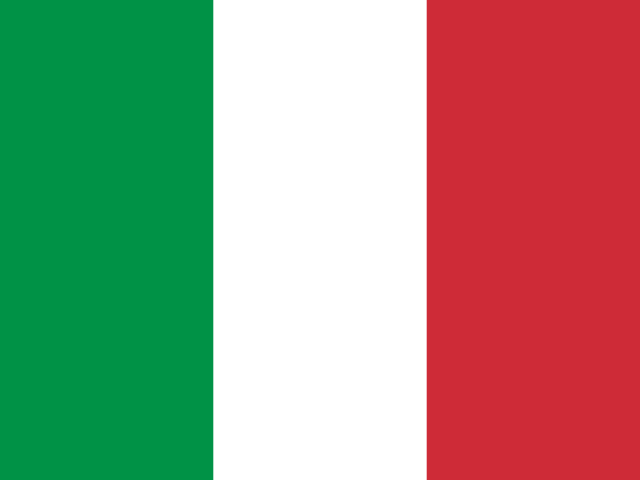

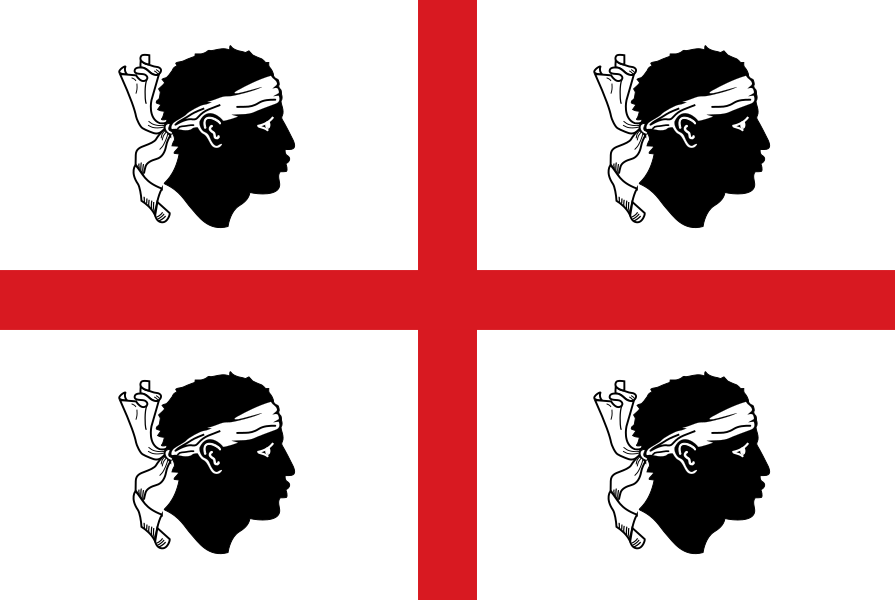


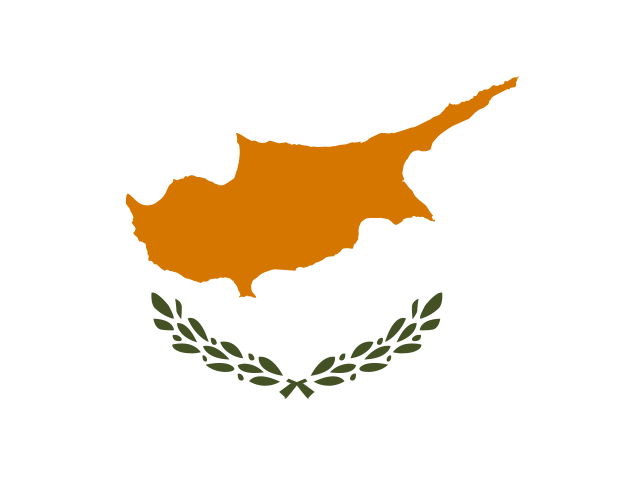

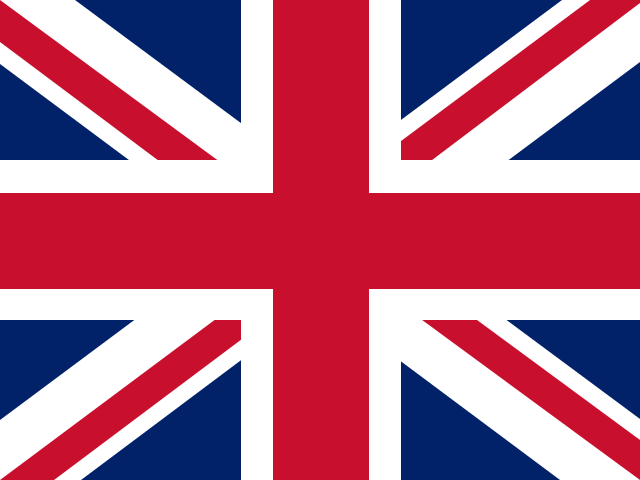



























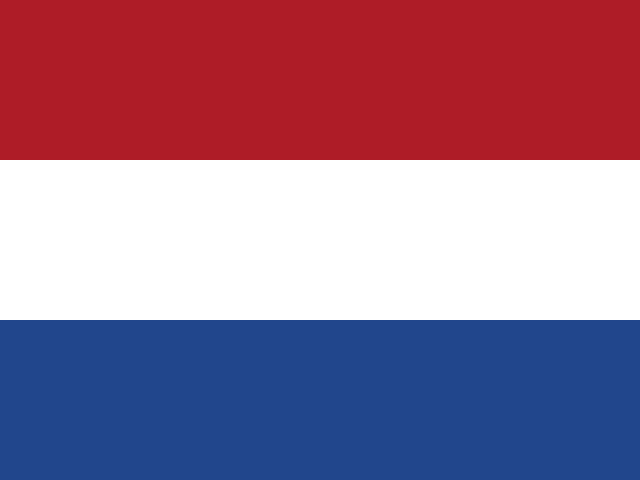



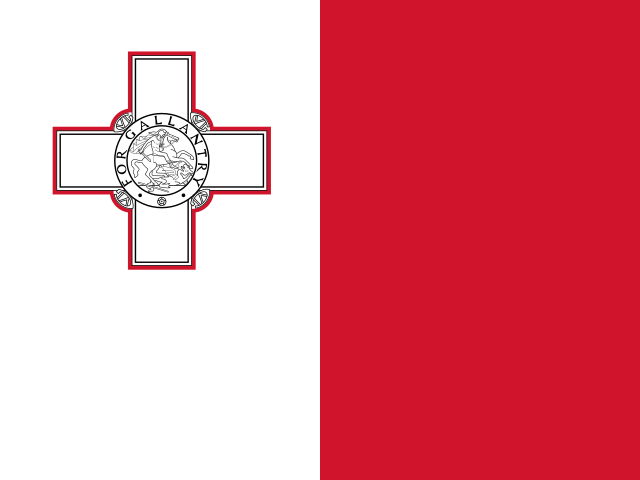
Photo credits
- 円周率3パーセント (Enshuritsu 3 percent) · CC BY-SA 4.0
- Prayitno / Thank you for (12 millions +) view from Los Angeles, USA · CC BY 2.0
- Metoc · CC BY-SA 3.0
- Open Food Facts contributors · CC BY-SA 3.0
- Hmioannou · CC BY 3.0
- jlwelsh · CC BY 2.0
- No machine-readable author provided. Rainer Zenz assumed (based on copyright claims). · CC BY-SA 3.0
- בר · CC BY-SA 3.0
- Photo Claude TRUONG-NGOC · CC BY-SA 3.0
- Armineaghayan · CC BY-SA 4.0
- Dana Club Doha @ YouTube · CC BY 3.0
- Ridouan Red · CC BY-SA 4.0
- stu_spivack · CC BY-SA 2.0
- Lelaw Wondimu · CC BY-SA 4.0
- Olga Ernst · CC BY-SA 4.0
- Maksym Kozlenko · CC BY-SA 4.0
- Chris Olszewski · CC BY-SA 4.0
- davidsilver · CC BY-SA 2.0
- Kritzolina · CC BY-SA 4.0


Prefer a full list? All 615 items are available with pagination.