

Topic hub
Gulf food (GCC)
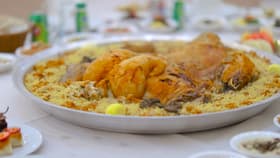
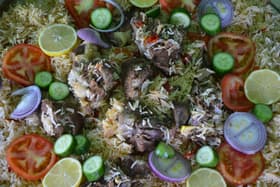
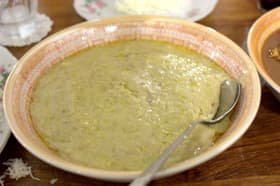
GCC home and restaurant cooking is generally Halal-meat oriented. Kabsa, machboos, and harees track meat source (usually clear locally); luqaimat are fryer- and syrup-conditional mainly abroad.
- In the Gulf, mainstream local restaurants are usually fine for meat rice dishes
- Abroad, re-check slaughter and shared fryers for luqaimat

Status overview
How foods in this topic break down by Halal ruling.
- Halal if verified 4
- Market-dependent 1
Foods in this topic
5 items All topics
- Dubai Chocolate Market-dependent
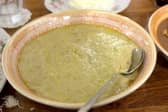
- Harees Halal if verified
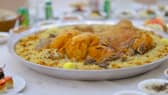
- Kabsa Halal if verified
- Luqaimat Halal if verified
- Machboos Halal if verified


No foods match this filter.
Photo credits


Frequently asked questions
Is Gulf food Halal?
In the Gulf states the meat supply is Halal by law, so kabsa, machboos, harees and mandi in local restaurants are Halal. The same dishes cooked abroad are Halal if verified: the rice and spices are never the issue, the meat and the stock are.
What is the difference between kabsa, machboos and mandi?
All three are spiced rice with meat. Kabsa is Saudi, cooked with the meat and tomato; machboos is the Bahraini, Kuwaiti and Emirati version, sharp with dried black limes (loomi); mandi, from Yemen, slow-cooks the meat in a pit or oven above the rice. The Halal question is the same for all three.
Is Dubai chocolate Halal?
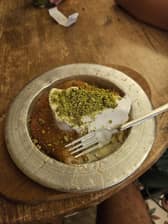
It depends on the bar. The pistachio-and-kataifi chocolate bar made famous in Dubai is copied by many brands worldwide, and their ingredients and certification differ. The original maker, FIX Dessert Chocolatier in Dubai, states that its ingredients are Halal-certified with no alcohol or pork derivatives, but that covers FIX bars only. For every copy, read the pack for a Halal mark and for alcohol-based flavourings.
Related topics
Explore connected ingredients, regions, and certification guidance.