

Topic hub
Levantine food
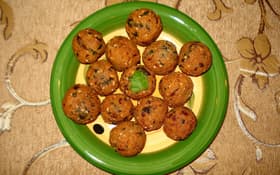
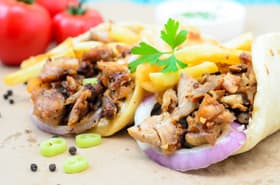
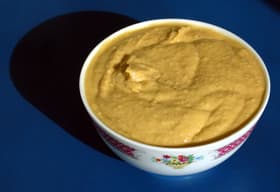
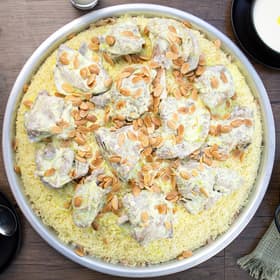
Levantine street food is widely Halal-oriented in Muslim communities, yet tourist and diaspora kitchens still need meat and gelatin checks. Falafel, hummus, and classic shakshuka are usually Halal; shawarma and mansaf track slaughter; knafeh may use animal rennet cheese or gelatin; sahlab café powders need thickener checks.
- Prefer busy local kebab shops with clear Muslim clientele
- Confirm Halal meat for shawarma/mansaf
- Check knafeh cheese/gelatin when packaged
- Treat classic shakshuka as Halal and verify sausage or feta
- Read sahlab mix labels for gelatin
Status overview
How foods in this topic break down by Halal ruling.
- Halal 3
- Halal if verified 5
Foods in this topic
8 items All topics
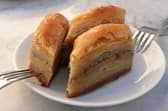
- Baklava Halal if verified
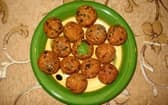
- Falafel Halal
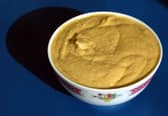
- Hummus Halal
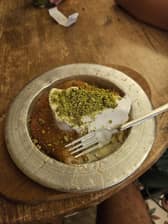
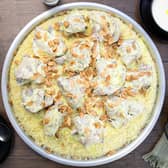
- Knafeh Halal if verified
- Mansaf Halal if verified
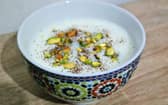
- Sahlab Halal if verified
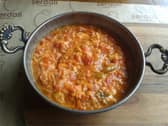
- Shakshuka Halal
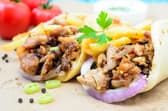
- Shawarma Halal if verified
No foods match this filter.
Photo credits


Frequently asked questions
Is Levantine food Halal?
In Muslim-majority cities, and in most Levantine restaurants run by Muslims abroad, the meat is Halal-slaughtered and pork is absent. Falafel and hummus are Halal anywhere. Shawarma, mansaf, knafeh and baklava are Halal if verified: outside the region, the meat, the cheese in knafeh and the fat in the pastry are what to ask about.
Is shawarma always Halal?
Not everywhere. In the Levant and the Gulf the meat is Halal-slaughtered as a matter of course. Abroad, a shawarma shop may buy Halal meat or not, and some mix in turkey or use non-Halal chicken. Ask which supplier the meat comes from, or look for a certificate.
Is knafeh Halal?
Halal if verified. Knafeh is shredded or semolina pastry over a stretchy white cheese, soaked in syrup. The cheese, usually Nabulsi or Akkawi, is set with rennet, so it depends on the rennet; in the Levant it is normally made locally, while abroad some shops use mozzarella.
Is arak Halal?
No. Arak is an anise-flavoured spirit distilled from grapes, drunk with meze in parts of Lebanon, Syria and Palestine. It is an intoxicant and Haram. Meze itself, from tabbouleh to muhammara, is almost always plant-based.
Related topics
Explore connected ingredients, regions, and certification guidance.