
What decides the answer
-
Classic egg–tomato–pepper shakshuka
Halal -
With Halal sausage or merguez
Halal -
With animal-rennet cheese (e.g. many feta toppings) unverified
Halal if verified -
Unverified restaurant plate with shared meat pans
Halal if verified -
With non-Halal sausage / pork
not Halal
Where you'll find it
- North African and Levantine breakfast and brunch tables
- Home kitchens and cafés across the Maghreb and Middle East
Why this ruling
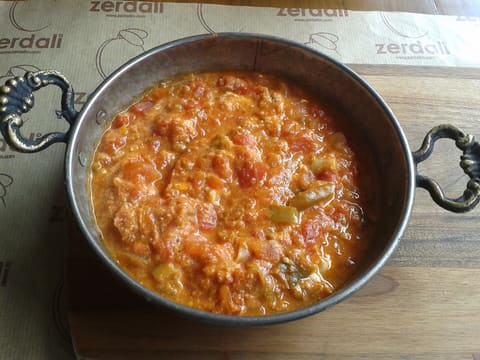
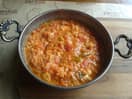
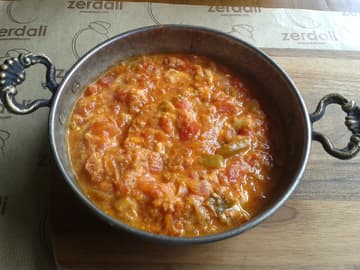
Shakshuka – chakchouka in Tunisia – is eggs poached in a thick sauce of tomatoes, peppers, onion, garlic, cumin, paprika and chilli, cooked and served in the same pan with bread for scooping. It comes from the Maghreb and is now a brunch favourite from Tel Aviv to London.[1] The classic dish is vegetables, olive oil, spices and eggs, and it is Halal; eggs from permissible birds are permissible.[2]
Variations and what they add
| Version | What is added | Halal? |
|---|---|---|
| Classic | Tomato, pepper, onion, eggs | Yes |
| With merguez or sausage | Spicy sausage | Only if the sausage is Halal; see merguez |
| With feta or goat's cheese | Crumbled cheese | Usually; see cheese |
| Green shakshuka | Spinach, herbs, courgette | Yes |
| With harissa | Chilli paste | Yes |
In North African homes and restaurants, merguez added to shakshuka is usually Halal lamb or beef. In Western brunch cafés, "shakshuka with sausage" may mean chorizo or another pork sausage, so ask.[3]
Brunch kitchens
A café that serves bacon and pork sausages cooks them on the same stoves, sometimes in the same pans. If that matters to you, ask for your shakshuka to be made in a clean pan.
Its relatives
Turkish menemen is scrambled rather than poached eggs in a similar sauce; see menemen. Tunisian ojja adds merguez as standard. For the eggs themselves, see eggs, and for the region, the Maghreb guide.
How to verify
- Classic eggs, tomato, pepper, onion, olive oil, and spices → Halal.
- Ask whether sausage or merguez is added and if it is Halal.
- If feta or other cheese is added, check rennet (microbial/vegetable or Halal-certified animal).
- In mixed restaurants abroad, ask about shared pans or fryers with non-Halal meat.
Quick checks
- Classic shakshuka is eggs, tomato, peppers and spices: Halal.
- If merguez or sausage is added, ask whether the meat is Halal.
- With feta or other cheese on top, check the rennet if that matters to you, and ask whether the pan is shared with bacon.
Frequently asked questions
Is shakshuka Halal?
Does shakshuka always have meat?
Is shakshuka with feta Halal?
Is restaurant shakshuka always Halal?
Scholarly view
Eggs and vegetables are Halal; sausage tracks meat and casing rules; cheese tracks rennet.
Sources
Named Islamic, certifier, manufacturer, and regulatory sources used on this page. Inline markers like [1] jump here. Retrieval dates show when we last checked the live URL. Editorial methodology.
Islamic / scriptural
-
IslamWeb Retrieved
Eggs of an animal whose meat is lawful are permissible.
-
Context / background
-
Eat Like a Local: 5 Essential Tunisian Dishes — Shakshouka
Tourism Tunisia Retrieved
Tourism culture article identifying shakshouka/chakchouka as a Maghrebi / MENA tomato–pepper stew with poached eggs (Tunisian spice notes).
Halal-conscious recipes
A substitution-led recipe that uses this analysis.
Browse this topic
Open the parent category hub for more foods in the same group.