

Topic hub
Maghreb food
North African cooking is largely a Halal-meat culture at home. Couscous, vegetable harira and classic egg-and-tomato shakshuka are easy; tagine and merguez need Halal meat abroad, pastilla raises the pastry-fat question, and restaurant shakshuka may add sausage or rennet cheese.
- Prefer vegetable couscous/harira when unsure abroad
- Confirm Halal merguez
- Ask about pastry fat in pastilla
- Treat classic shakshuka as Halal and verify sausage, feta/rennet, and shared pans
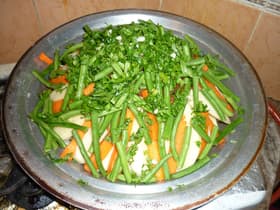
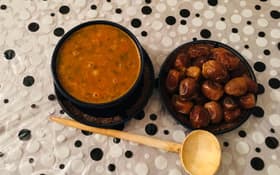
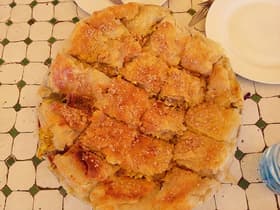
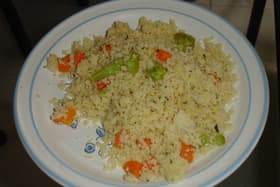
Status overview
How foods in this topic break down by Halal ruling.
- Halal 1
- Halal if verified 5
Foods in this topic
6 items All topics
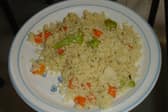
- Couscous Halal if verified
- Harira Halal if verified
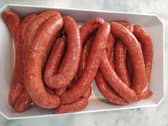
- Merguez Halal if verified
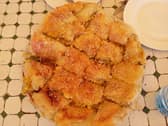
- Pastilla Halal if verified
- Shakshuka Halal
- Tagine Halal if verified
No foods match this filter.
Photo credits


Frequently asked questions
Is North African food Halal?
In Morocco, Algeria and Tunisia, and in North African restaurants run by Muslims abroad, the meat is Halal and pork is absent. Shakshuka is Halal anywhere. Couscous, tagine, harira, pastilla and merguez are Halal if verified outside the region: the meat, the broth and, for merguez, the casing are what to ask about.
Is merguez Halal?
Halal if verified. Traditional merguez is lamb or beef with harissa and cumin, never pork, but it still needs Halal slaughter and a lamb or plant casing. North African butchers usually sell it Halal; supermarket and café merguez in Europe may not be.
Is couscous royal Halal?
Halal if verified. The French couscous royal piles lamb, chicken and merguez onto couscous with a vegetable broth, so every meat on the plate needs to be Halal. In North African restaurants in France it usually is; elsewhere, ask.
Related topics
Explore connected ingredients, regions, and certification guidance.