Is Tagine Halal?
It depends on what the label says.
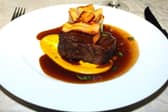
A tagine is a North African stew named after its conical earthenware pot, usually lamb, chicken, beef or kefta with vegetables, olives, preserved lemon or dried fruit.

Photo: Ridouan Red · CC BY-SA 4.0
How to verify
- Confirm lamb, chicken, or beef—not a mixed unidentified meat.
- Require Halal slaughter.
- Olives, preserved lemon, dried fruit, and ras el hanout are plant.
- Ask whether the kitchen uses conventional imported meat.
- Prefer a Muslim Moroccan kitchen.
Quick checks
- Ask whether it is lamb, chicken, beef or kefta, and whether the meat is Halal-slaughtered.
- Ask whether a vegetable tagine was cooked with meat stock.
- Moroccan and other Muslim-run kitchens normally use Halal meat; a few fusion recipes add wine.
What decides the answer
-
Halal-slaughtered lamb, chicken, or beef
Halal -
Vegetable tagine, plant oil
Halal -
Unverified restaurant pot
Halal if verified -
Non-Halal meat
not Halal
Why this ruling
A tagine (also tajine) is both a North African stew and the pot it is cooked in: a shallow earthenware dish with a tall conical lid that sends steam back down onto the food, so a small amount of liquid braises meat and vegetables slowly over coals or a low flame.[1] Moroccan tagines are the best known: chicken with preserved lemon and green olives, lamb with prunes and toasted almonds, kefta meatballs in tomato sauce with eggs cracked in at the end, fish with chermoula, and vegetables alone. The spices are ginger, saffron, cumin, cinnamon, paprika and the house blend ras el hanout.
What decides it
| Part | Usually | Halal? |
|---|---|---|
| Meat | Lamb, chicken, beef or kefta | Only from Halal slaughter |
| Fish tagine | Fish with chermoula | Yes |
| Vegetables, olives, preserved lemon, prunes, almonds | Plant | Yes |
| Spices and herbs | Plant | Yes |
| Olive oil, smen (aged butter) | Plant or dairy | Yes |
| Stock, in some restaurant versions | Chicken or meat stock | Depends on the stock |
In Morocco, Algeria and Tunisia, and in Moroccan and other Muslim-run restaurants abroad, the meat in a tagine is Halal as a matter of course. Elsewhere, a tagine is simply a way of cooking, and restaurants, supermarket ready meals and recipe boxes use whatever meat they buy.[2] Classic tagines use no alcohol; a few modern European recipes add wine, and a vegetable tagine can be made on a meat stock.
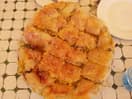
A different tajine in Tunisia
In Tunisia, tajine means something else: a baked dish of eggs, cheese and meat or vegetables, closer to a thick frittata, cut into squares. The same checks apply, plus the cheese, which depends on its rennet.
Ordering and cooking
Ask whether the meat is Halal, and for a vegetable tagine, whether it was made with vegetable stock. At home, any heavy lidded pot works if you have no tagine. For what comes before and after it at a Moroccan meal, see harira, couscous and pastilla; for the region, the Maghreb guide.
Where you'll find it
- Moroccan home tagines
- Restaurant lamb or chicken tagines
- Vegetable tagines
Frequently asked questions
Is tagine Halal?
Does tagine contain alcohol?
Is a vegetable tagine Halal?
What is a Tunisian tajine?
Scholarly view
Lamb, chicken, and beef need Islamic slaughter. The clay pot and Maghrebi name do not certify the meat.
Sources
Named Islamic, certifier, manufacturer, and regulatory sources used on this page. Inline markers like [1] jump here. Retrieval dates show when we last checked the live URL. Editorial methodology.
Islamic / scriptural
Context / background
-
Wikipedia Retrieved
Culinary identity: North African stew cooked in a conical earthenware pot; lamb, chicken, or beef with vegetables, olives, or dried fruit. Identity context, not a Halal certificate.
People also check
Related ingredients and products for this item.
Halal-conscious recipes
A substitution-led recipe that uses this analysis.
Browse this topic
Open the parent category hub for more foods in the same group.