

Topic hub
Meat & poultry
Meat pages cover whole cuts, poultry, and processed products where slaughter method, species, or pork derivatives decide the ruling. Pork and its derivatives are Haram; other meats depend on Halal slaughter and processing.
For non-pork meat, confirm Halal slaughter and that no pork fat, gelatin, or non-Halal enzymes were used in processing. For deli meats and sausages, check casing, flavourings, and shared equipment when certification is absent.
Status overview
How foods in this topic break down by Halal ruling.
- Haram 15
- Halal if verified 87
- Market-dependent 15
- Scholarly difference 7
Foods in this topic
124 items All topics
- Antikristo Halal if verified
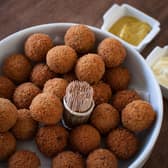
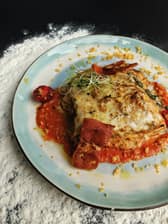
- Arancini Halal if verified
- Australian supermarket chicken Market-dependent
- Bacon Haram
- Bakso Halal if verified
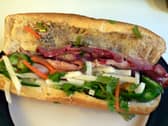
- Banh Mi Halal if verified
- Beef Halal if verified
- Beef Gelatin Halal if verified
- Beef jerky Market-dependent
- Beef tallow Market-dependent
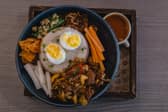
- Bibimbap Halal if verified
- Bigos Haram
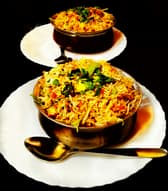
- Biryani Halal if verified
- Bitterballen Halal if verified
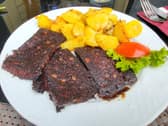
- Black Pudding Haram
- Bobotie Halal if verified
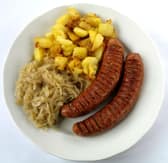
- Bratwurst Halal if verified
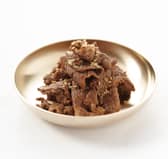
- Bulgogi Halal if verified
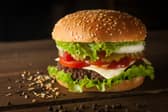
- Burgers Halal if verified
- Burrito Halal if verified
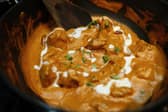
- Butter Chicken Halal if verified
- Camel meat Halal if verified
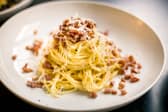
- Carbonara Halal if verified
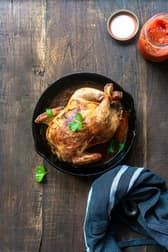
- Chicken Halal if verified
- Chomps Halal if verified
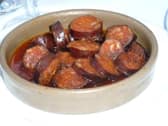
- Chorizo Haram
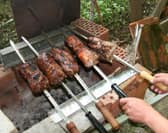
- Churrasco Halal if verified
- Corned beef Market-dependent
- Cornish Pasty Halal if verified
- Crocodile Scholarly difference
- Cup Noodles Market-dependent
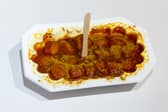
- Currywurst Halal if verified
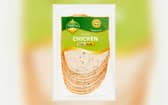
- Deli meat (sliced cooked meats) Market-dependent
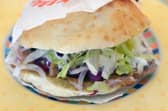
- Döner Kebab Halal if verified
- Duck Halal if verified
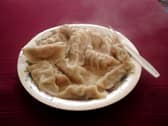
- Dumplings Halal if verified
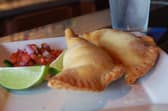
- Empanadas Halal if verified
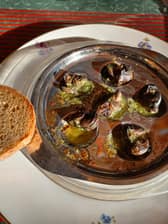
- Escargot Scholarly difference
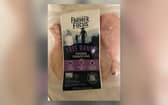
- Farmer Focus chicken Scholarly difference
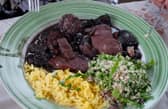
- Feijoada Halal if verified
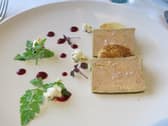
- Foie Gras Halal if verified
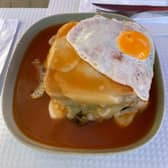
- Francesinha Haram
- Fridge Raiders Market-dependent
- Frog Scholarly difference
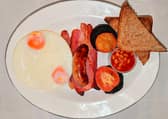
- Full English Breakfast Halal if verified
- Goat Halal if verified
- Goose Halal if verified
- Goulash Halal if verified
- Gyro Halal if verified
- Haggis Halal if verified
- Halal snack pack Halal if verified
- Ham Haram
- Harees Halal if verified
- Horse Meat Halal if verified
- Hot Dogs Halal if verified
- Inghams Market-dependent
- Insects Scholarly difference
- Irish Stew Halal if verified
- Jack Link's Market-dependent
- Jollof Halal if verified
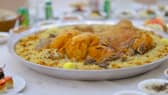
- Kabsa Halal if verified
- Kangaroo Scholarly difference
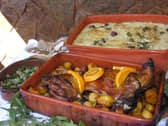
- Kleftiko Halal if verified
- Lab-grown meat Halal if verified
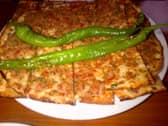
- Lahmacun Halal if verified
- Lamb Halal if verified
- Lard (Pork Fat) Haram
- Lasagna Halal if verified
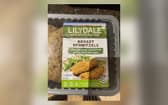
- Lilydale Free Range Chicken Market-dependent
- Machboos Halal if verified
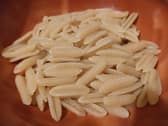
- Malloreddus Halal if verified
- Maltese Sausage Haram
- Mansaf Halal if verified
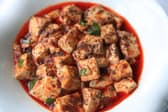
- Mapo Tofu Halal if verified
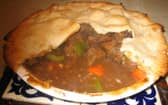
- Meat Pie Halal if verified
- Merguez Halal if verified
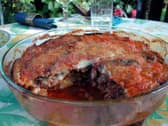
- Moussaka Halal if verified
- Mutton Halal if verified
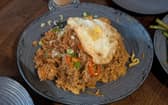
- Nasi Goreng Halal if verified
- Ostrich Halal if verified
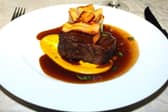
- Ox Tail Halal if verified
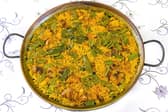
- Paella Halal if verified
- Pastilla Halal if verified
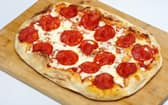
- Pepperoni Halal if verified
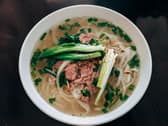
- Pho Halal if verified
- Pide Halal if verified
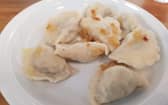
- Pierogi Halal if verified
- Pigeon Halal if verified
- Porceddu Haram
- Pork Haram
- Pork Gelatin Haram
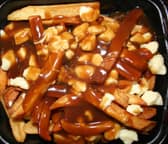
- Poutine Halal if verified
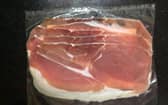
- Prosciutto Haram
- Quail Halal if verified
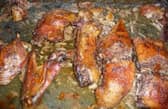
- Rabbit Halal if verified
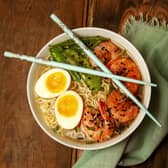
- Ramen Halal if verified
- Rendang Halal if verified
- Salami Halal if verified
- Samosas Halal if verified
- Satay Halal if verified
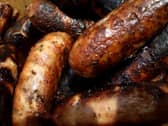
- Sausage Halal if verified
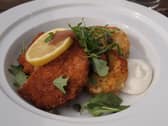
- Schnitzel Halal if verified
- Shawarma Halal if verified
- Shazans Market-dependent
- Sheftalia Haram
- Smørrebrød Halal if verified
- Souvlaki Halal if verified
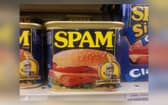
- Spam Haram
- Steak Halal if verified
- Steggles Market-dependent
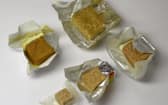
- Stock cubes Halal if verified
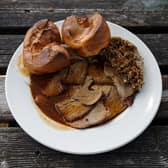
- Sunday Roast Halal if verified
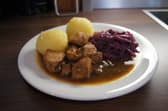
- Swedish Meatballs Halal if verified
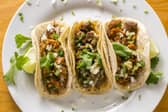
- Tacos Halal if verified
- Tagine Halal if verified
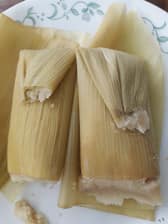
- Tamales Halal if verified
- Timpana Halal if verified
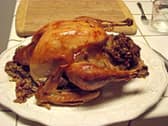
- Turkey Halal if verified
- Turkey Bacon Market-dependent
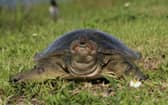
- Turtle Scholarly difference
- UK supermarket meat Market-dependent
- Veal Halal if verified
- Venison Market-dependent
- White Pudding Haram


No foods match this filter.
Photo credits
- THISISN'TBACON2021 · CC BY-SA 4.0
- Qaedi Shamsuddin · CC BY 2.0
- Halima Waziri · CC BY-SA 4.0
- Ineffablebookkeeper · CC BY-SA 4.0
- methTICALman · CC BY 2.0
- Sridc · CC BY-SA 4.0
- Olga Ernst · CC BY-SA 4.0
- 국립국어원 · CC BY-SA 2.0 kr
- RightCowLeftCoast · CC BY 4.0
- Sarah Shreeves from USA · CC BY 2.0
- Open Food Facts contributors · CC BY-SA 3.0
- Max.kit · CC BY-SA 4.0
- Open Food Facts contributors · CC BY-SA 3.0
- Open Food Facts contributors · CC BY-SA 3.0
- Anton Porsche · CC BY 4.0
- stu_spivack · CC BY-SA 2.0
- Anke Klitzing · CC BY-SA 4.0
- Open Food Facts contributors · CC BY-SA 3.0
- logikblok · CC BY-SA 4.0
- Open Food Facts contributors · CC BY-SA 3.0
- MunParedes · CC BY-SA 4.0
- Elgaard · CC BY-SA 4.0
- David Jackmanson · CC BY 2.0
- Anna.Massini · CC BY 4.0
- Open Food Facts contributors · CC BY-SA 3.0
- Open Food Facts contributors · CC BY-SA 3.0
- Maame1Yaa · CC BY-SA 4.0
- Sammy Six · CC BY 2.0
- Wallslide · CC BY 2.0
- No machine-readable author provided. Rainer Zenz assumed (based on copyright claims). · CC BY-SA 3.0
- domdomegg · CC BY 4.0
- Peter G Werner · CC BY 2.5
- Open Food Facts contributors · CC BY-SA 3.0
- Dana Club Doha @ YouTube · CC BY 3.0
- 彩色琪子 · CC BY-SA 3.0
- Abdulla aljammal · CC BY-SA 4.0
- Sichuanfoodlover · CC BY-SA 4.0
- davidsilver · CC BY-SA 2.0
- Fotograf: Dieter Mueller (dino1948) Kamera: de:Nikon 885 · CC BY-SA 3.0
- CharmaineZoe's Marvelous Melange from England · CC BY 2.0
- Pannet · CC BY-SA 4.0
- Caroline Ford · CC BY-SA 3.0
- Maksym Kozlenko · CC BY-SA 4.0
- Shark2025 · CC BY-SA 4.0
- Indrajit Das · CC BY-SA 4.0
- Midori · CC BY 3.0
- Gunawan Kartapranata · CC BY-SA 3.0
- Open Food Facts contributors · CC BY-SA 3.0
- Leeturtle · CC BY-SA 4.0
- Open Food Facts contributors · CC BY-SA 3.0
- Prayitno / Thank you for (12 millions +) view from Los Angeles, USA · CC BY 2.0
- Open Food Facts contributors · CC BY-SA 3.0
- Rainer Z ... · CC BY-SA 3.0
- Acabashi · CC BY-SA 4.0
- Kim Scarborough · CC BY-SA 2.5
- Ridouan Red · CC BY-SA 4.0
- Usernet123u · CC BY-SA 4.0
- Leipnizkeks · CC BY-SA 3.0
- Key West Wedding Photography · CC BY 2.0


Frequently asked questions
What makes meat Halal?
Two things: the species and the slaughter. The animal must be one Muslims may eat, which rules out pork and its derivatives completely, and it must be slaughtered Islamically: a swift cut to the throat that drains the blood, with Allah's name mentioned. Beef, lamb, goat, chicken, turkey and duck all need that slaughter; none of them is Halal by species alone.
Is stunned meat Halal?
Authorities differ. Some certifiers accept stunning that does not kill the animal before the cut, and others require no stunning at all. If stunning kills the animal before a valid cut, the meat is treated as carrion and is not Halal. Check which standard the certificate on your meat follows.
Is kosher meat Halal?
Scholars differ. The Qur'an allows the food of the People of the Book (5:5), and some scholars accept kosher meat on that basis; others require a Muslim slaughterer and the mention of Allah's name. Kosher also permits some things Halal does not, such as wine in cooking, so the dish still needs checking.
Do gelatin, lard and stock count as meat questions?
Yes. Gelatin, animal fat, stock and meat extracts follow the animal they came from and how it was slaughtered. Anything from pork is Haram. Gelatin or tallow from a Halal-slaughtered animal is Halal; from other animals, the pages set out where scholars differ.
Related topics
Explore connected ingredients, regions, and certification guidance.