Is Pide Halal?
It depends on what the label says.
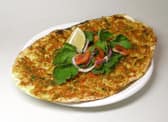
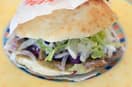
Pide is a boat-shaped Turkish flatbread with cheese, vegetables, or meat.

Photo: Caroline Ford · CC BY-SA 3.0
How to verify
- Vegetable or egg pide is simplest.
- Ask about animal rennet in cheese pide.
- Meat pide: confirm Halal supplier or certificate—do not rely on Türkiye geography alone.
- Re-check resorts/abroad.
Quick checks
- Ask the filling: cheese, egg, spinach, minced meat (kıymalı), diced meat (kuşbaşılı) or sucuk.
- For meat or sucuk pide, ask where the meat comes from or look for a Halal certificate.
- If you avoid animal rennet, ask about the cheese, or choose egg or spinach pide.
What decides the answer
-
Vegetable/egg pide
Halal -
Meat pide with named Halal certification or trusted Halal supplier
Halal -
Cheese pide
rennet-conditional / Halal if verified -
Unverified meat pide (Türkiye or abroad)
Halal if verified
Why this ruling
Pide is Turkey's boat-shaped flatbread: a yeasted dough stretched long, the edges folded up around a filling, and baked in a stone or wood-fired oven, often finished with butter. Every region has its own style, from the long, thin pides of the Black Sea coast to the wider, open ones of central Anatolia.[4][1]
Fillings by name
| Pide | Filling | Halal? |
|---|---|---|
| Kaşarlı | Melted kaşar cheese | Usually; see cheese |
| Peynirli | White cheese, often with parsley | Usually; see cheese |
| Yumurtalı | Egg, often with cheese | Yes |
| Ispanaklı | Spinach | Yes |
| Kıymalı | Minced beef or lamb with onion and pepper | Only from Halal slaughter |
| Kuşbaşılı | Diced lamb or beef | Only from Halal slaughter |
| Sucuklu | Spicy beef sausage | Only from Halal slaughter |
The dough is flour, water, yeast and salt, and the butter brushed on top is dairy. Egg and vegetable pides need no check.
Meat and cheese
In Turkey, meat sold and served in restaurants comes overwhelmingly from Muslim slaughter, and many people eat there without asking. Formal Halal certification is available and some restaurants display it. Outside Turkey, Turkish bakeries and restaurants vary: ask whether the meat and the sucuk are Halal, or look for a certificate.[2]
Turkish cheeses such as kaşar are set with rennet, which can be microbial or animal; the cheese page explains how each kind is treated.[3]
Its relatives
Lahmacun is a thin, round flatbread with a spiced minced-meat topping; see lahmacun. Ramazan pidesi is a different, round, puffy bread baked for iftar during Ramadan and eaten plain. For other Turkish favourites, see döner kebab, menemen and the Türkiye guide.
Frequently asked questions
Is pide Halal?
What fillings does pide have?
Is sucuk pide Halal?
Is the cheese a problem?
Sources
Named Islamic, certifier, manufacturer, and regulatory sources used on this page. Inline markers like [1] jump here. Retrieval dates show when we last checked the live URL. Editorial methodology.
Islamic / scriptural
-
Qur'an Retrieved
Eat of what is lawful and good on the earth: food is permitted unless a text forbids it.
Regulatory / labelling
Context / background
-
Wikipedia Retrieved
Culinary identity: Turkish dough topped or filled with minced meat, kaşar, white cheese, vegetables or tahini, baked in a wood-fired oven. Identity context, not a Halal certificate.
-
People also check
Related ingredients and products for this item.
Browse this topic
Open the parent category hub for more foods in the same group.