
How to verify
- Look for 'microbial rennet', 'vegetable rennet', or a halal certification mark.
- In industrial markets, many cheddar/mozzarella lines use FPC or microbial enzymes—brands will confirm if you ask.
- Traditional European cheeses such as Parmigiano-Reggiano are required by PDO rules to use calf rennet (production specification, retrieved 2 August 2026).
Quick checks
- Check rennet source (microbial/FPC vs animal).
- Prefer Halal-certified cheese when available.
- Speciality aged cheeses need a separate enzyme check.
What decides the answer
-
Cheese made with microbial rennet, plant rennet, or fermentation-produced chymosin (FPC)
Halal -
Cheese made with animal rennet from Halal-slaughtered animals
Halal -
Label says only 'enzymes' with no halal certificate — contact the maker or choose certified
Doubtful -
Cheese with added haram ingredients (wine-washed rinds, lard, gelatin, non-halal lipase)
Haram -
Cheese made with non-porcine animal rennet from non-halal slaughter: recognised juristic disagreement—not a single certifier veto
Why this ruling
Looking for cheddar, gouda, mozzarella, feta, cream cheese, or another everyday variety? Same ruling as cheese in general — the coagulant (rennet) and any lipase decide. Distinct pages exist only where the product has its own context (halloumi, paneer, graviera).
Cheese is made by curdling milk with a coagulating enzyme, draining the whey, and ageing or processing the curds. Milk itself is halal, salt is halal, and the bacterial cultures that develop flavour are halal - which means the entire halal question comes down to one ingredient: the coagulant, traditionally called rennet, plus any secondary enzymes like lipase.
Rennet comes in four forms. Animal rennet is extracted from the stomach lining of calves (or lambs and kids). Plant coagulants come from thistle, fig sap, and similar sources. Microbial rennet is produced by fungi or bacteria in fermentation tanks. And fermentation-produced chymosin (FPC) is produced by microorganisms that carry the gene for chymosin, with no animal involved in manufacturing—common in many industrial plants, but not a documented majority claim for every supermarket block.
Plant, microbial, and FPC coagulants are halal without controversy. Animal rennet from Halal-slaughtered animals is permissible. Non-porcine animal rennet from non-Halal slaughter is a recognised school disagreement, not a single certifier veto: Hanafi-permissive lines exist alongside the majority Maliki, Shafi'i, and Hanbali impurity view, and certifier practice may be stricter than an individual school ruling.
What about cheese made with conventional animal rennet? Here the classical schools genuinely differ. The Hanafi position - citing, among other things, reports that early Muslims ate the cheese of Zoroastrians - holds that rennet is pure regardless of how the animal died, making such cheese permissible. The Shafi'i, Maliki, and predominant Hanbali view requires the source animal to have been slaughtered Islamically, which makes conventional calf-rennet cheese impermissible. This is why answers to 'is cheese halal?' range from relaxed to strict: both positions have real scholarly weight.
In practice, industrial cheddar and mozzarella frequently use microbial rennet or FPC, and many brands will confirm on request—but trade-association prevalence figures are not cited here, so treat unlabeled “enzymes” as Halal if verified. Traditional European names deserve extra care: Parmigiano-Reggiano PDO requires calf rennet exclusively (production specification PDF, retrieved 2 August 2026); Grana Padano, Pecorino Romano, and farmhouse cheddars often follow animal-rennet practice. Italian-style cheeses may add animal lipase; speciality rinds may use wine or beer washes; some processed products add gelatin. If the label just says “enzymes” and there is no Halal mark, email the manufacturer or choose certified cheese.
Everyday supermarket cheese
In industrial markets, cheddar, mozzarella, and sliced cheeses often use microbial rennet or FPC—Halal-accepted by major certifiers when that is the route used. Confirm rather than assume share. Still glance for gelatin in some fat-free shreds, animal lipase in certain Italian styles, and wine washes on speciality rinds.
Mozzarella labels show the range. Galbani's grated mozzarella in the UK lists "Vegetarian Mozzarella cheese (Milk), Potato Starch"[6] and Tesco's mozzarella is labelled vegetarian.[7] An Alba shredded mozzarella sold in Singapore lists "Non-Animal Rennet" and carries a Halal label.[8] A Mozzarella di Bufala Campana sold in France lists only "présure" (rennet), with no source.[9]
Traditional PDO cheeses
Parmigiano-Reggiano PDO requires calf rennet exclusively per its production specification.[5] Under Shafi'i/Maliki/majority Hanbali practice that is a problem; under the Hanafi rennet view some still consume such cheese. Halal-certified “parmesan-style” hard cheeses use microbial enzymes on purpose.
Whey, lipase, and processed cheese
Whey powder and rennet pages cover adjacent ingredients. Processed cheese spreads can add non-Halal flavours or gelatin. When labels only say “enzymes,” email the brand or buy certified.
Where you'll find it
- Cheddar, gouda, mozzarella, and everyday block cheeses
- Parmesan and traditional European hard cheeses
- Cream cheese, cottage cheese, and fresh cheeses
- Processed cheese slices and spreads
- Cheese powders in snacks and seasonings
Frequently asked questions
What is rennet and why does it matter?
Is Parmesan halal?
Is cheddar cheese halal?
Is gouda or mozzarella cheese halal?
What is FPC (fermentation-produced chymosin)?
Are cheese cultures and lipase a problem?
Scholarly view
The schools differ on rennet from animals not slaughtered Islamically. The Hanafi school (and one narration from Ahmad) considers rennet itself pure and cheese made with it permissible - based in part on early Muslims eating the cheese of non-Muslims.
The Shafi'i, Maliki, and majority Hanbali view requires the rennet animal to have been slaughtered Islamically. Microbial and plant rennet avoid the debate entirely, which is why certifiers and cautious consumers prefer them. Fermentation-produced chymosin (FPC) is produced by fermentation and is broadly accepted as halal by major certifiers when audited; prevalence varies by plant and label—confirm the enzyme route rather than assuming supermarket share.
Sources
Named Islamic, certifier, manufacturer, and regulatory sources used on this page. Inline markers like [1] jump here. Retrieval dates show when we last checked the live URL. Editorial methodology.
Islamic / scriptural
-
SeekersGuidance / IslamQA.org — rennet in cheese (Hanafi)
SeekersGuidance (via IslamQA.org) Retrieved
Hanafi: non-porcine animal rennet generally permissible; other schools differ; prefer known source.
-
Askimam 965 — rennet from non-zabiha animals
Askimam (via IslamQA.org) Retrieved
Details Abu Hanifa vs Sahibayn on rennet from non-zabiha lawful animals; porcine rennet haram.
Certifier / jurisdiction
-
Retrieved
Manufacturer / product
-
Parmigiano Reggiano PDO — production specification (calf rennet)
Consorzio del Formaggio Parmigiano-Reggiano Retrieved
PDO rules require coagulation exclusively with calf rennet — rennet-conditional for Halal analysis.
-
Galbani grated mozzarella, UK (5017838822945)
Open Food Facts (pack record) Retrieved
Ingredients: 'Vegetarian Mozzarella cheese (Milk), Potato Starch.' Labelled vegetarian.
-
Tesco mozzarella (5018374231017)
Open Food Facts (pack record) Retrieved
Ingredients: 'Mozzarella Cheese (Milk), Acidity Regulator (Citric Acid).' Labelled vegetarian.
-
Alba shredded mozzarella, Singapore (9311766000182)
Open Food Facts (pack record) Retrieved
Ingredients: 'Pasteurised Cow's Milk, Salt, Non-Animal Rennet, Starter Culture, Anti-Caking Agent (Tapioca) and Preservative (202).' Halal label recorded.
-
Mozzarella di Bufala Campana PDO, sold in France (8033629810578)
Open Food Facts (pack record) Retrieved
Ingredients: 'lait pasteurisé de bufflonne, sel, présure' (buffalo milk, salt, rennet); the rennet's source is not stated.
Regulatory / labelling
-
Retrieved
People also check
Related ingredients and products for this item.
Halal-conscious recipes
A substitution-led recipe that uses this analysis.
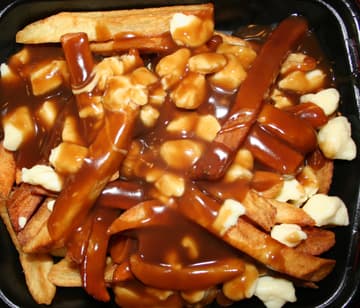
- Poutine with Halal gravy Sourcing & fats
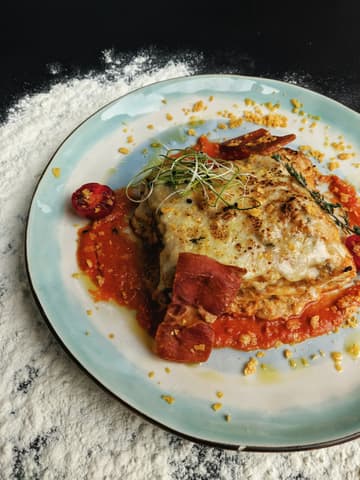
- Beef lasagne without prosciutto Pork & pork fat
- Mac and cheese with a rennet-checked cheese Gelatin & rennet
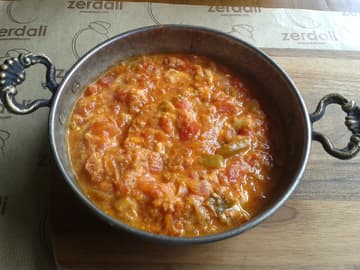
- Shakshuka with Halal merguez Sourcing & fats
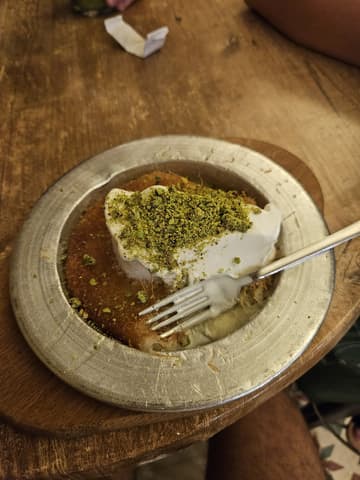
- Knafeh, cheese checked Gelatin & rennet
- Penne 'alla vodka', no vodka Alcohol
- Alcohol-free tiramisu Alcohol
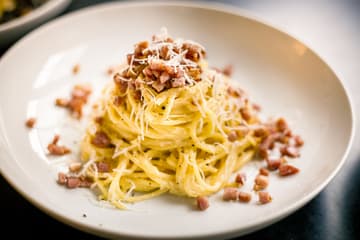
- Halal carbonara-style pasta Pork & pork fat
- Pork-fat-free Maltese pastizzi Pork & pork fat
- Rennet-checked pesto pasta Gelatin & rennet