

Halal-conscious recipe
Mac and cheese with a rennet-checked cheese
Baked macaroni cheese with a cheddar labelled vegetarian or made with microbial rennet, so the cheese is the one ingredient you've already checked.
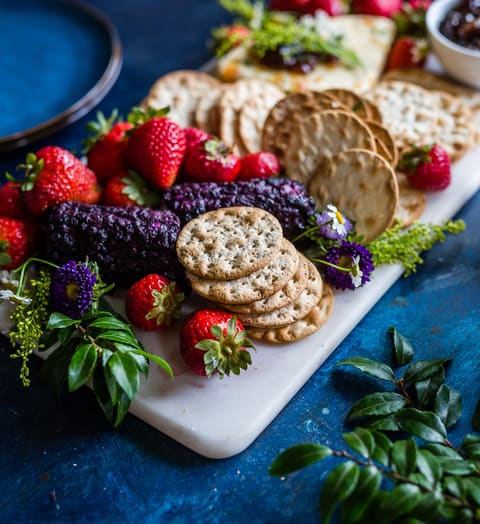
Each method follows published technique for the dish, and every Halal substitution is checked against the ingredient pages we cite. Photographs come from our ingredient library rather than the finished dish.
Why Halal checks matter here
Mac and cheese is only as Halal as its cheese. Cheddar, gruyère and Parmesan can be set with animal rennet, boxed mixes list 'enzymes' and whey of unstated source, and some restaurant versions add bacon or pancetta.
Mac and cheese is pasta, a white sauce and cheese. The pasta, butter, flour and milk raise no question; the cheese does. Cheddar, gruyère and Parmesan can all be set with animal rennet, and a boxed mix such as Kraft's lists "enzymes" and whey without saying where they come from (see mac and cheese).
So this version uses one cheese you have already checked: a mature cheddar labelled suitable for vegetarians, or one that names microbial, vegetable or Halal-certified rennet. Many UK supermarket cheddars carry that label; see cheese. The method follows BBC Good Food's classic, which uses three cheeses; here the checked cheddar does all the work.
Warm the milk before it goes into the roux and add it a third at a time, and the sauce stays smooth. Stir the macaroni in while the sauce is hot, and loosen it with a splash of milk if it tightens.
Halal-critical ingredients
- Cheddar, gruyère or Parmesan Any of them can be set with animal rennet, which scholars differ on when the animal wasn't slaughtered Islamically. Use a cheese labelled vegetarian or naming microbial, vegetable or Halal-certified rennet. See Cheese and Rennet.
- Boxed mac and cheese Kraft's US boxes list 'enzymes' and whey without saying where the enzymes come from. Make the sauce from scratch, as here. See Mac and cheese.
Safe substitutes
- Gruyère and Parmesan of unknown rennet → More of the checked cheddar
- Bacon or pancetta stirred in → Halal beef bacon or turkey bacon, or leave it out
- Boxed cheese sauce mix → The butter, flour and milk sauce above
Allergens
gluten, milk, mustard
Ingredients
Sauce and pasta
- 280 g (10 oz) dried macaroni
- 700 ml (3 cups) whole milk, warmed, plus a little extra
- 50 g (3½ tbsp) unsalted butter, plus extra for the dish
- 45 g (⅓ cup) plain flour
- 5 g (1 tsp) prepared mustard
- 225 g (2¼ cups) mature cheddar labelled vegetarian or made with microbial rennet, grated
Topping
- 50 g (1 cup crumbs) white bread, crusts off, whizzed to crumbs
- 300 g (3 medium) optional tomatoes, sliced
Nutrition per serving
Estimated for 1 of 4 plates.
| Calories | 760 kcal |
|---|---|
| Fat | 36 g |
| of which saturates | 21 g |
| Carbohydrate | 78 g |
| of which sugars | 12 g |
| Fibre | 3 g |
| Protein | 30 g |
| Sodium | 530 mg |
Calculated from the metric quantities in the ingredient list, divided by 4, using USDA FoodData Central values for each raw ingredient. Cooking losses aren't modelled and brands differ, so these are estimates, not a lab analysis.
Not counted: optional tomatoes (optional).
Where the list offers a choice, the first option is counted.
How each ingredient was counted
| Ingredient | USDA food | Counted |
|---|---|---|
| dried macaroni | Pasta, dry, enriched | 280 g |
| whole milk | Milk, whole, 3.25% milkfat, with added vitamin D | 721.9 g |
| unsalted butter | Butter, without salt | 50 g |
| plain flour | Wheat flour, white, all-purpose, enriched, bleached | 45 g |
| prepared mustard | Mustard, prepared, yellow | 5 g |
| mature cheddar labelled vegetarian or made with microbial rennet | Cheese, cheddar | 225 g |
| white bread | Bread, white, commercially prepared (includes soft bread crumbs) | 50 g |
Method
- Check the cheese first. Pick a cheddar whose pack says suitable for vegetarians, or names microbial, vegetable or Halal-certified rennet. That one choice is what makes the dish Halal on its ingredients. Mix 25 g of it into the breadcrumbs for the topping.
- Boil the macaroni. Cook the macaroni in boiling water for about 8 minutes, or as the pack says, until just tender. Drain and rinse briefly under hot water so it doesn't stick.
- Make the white sauce. Melt the butter in a large pan, stir in the flour and cook for 1 minute. Off the heat, beat in the warm milk a third at a time until smooth, then return to the heat and stir until thick and glossy, about 4 minutes. Stir in the mustard and the rest of the cheese until melted.
- Combine and bake. Heat the oven to 200°C (180°C fan). Stir the macaroni into the sauce, loosening with a splash of milk if it is thick. Tip into a buttered dish, scatter the cheesy crumbs and tomatoes over, and bake for 12 to 15 minutes until bubbling at the edges. Grill for 3 to 5 minutes to brown, then rest for a minute or two.
How this recipe was researched
Method adapted from BBC Good Food's 'Ultimate macaroni cheese' (white sauce made with butter, flour and warm milk; macaroni boiled for 8 minutes; crumb topping; oven then grill). We replaced its cheddar, gruyère and Parmesan with one cheddar labelled vegetarian or made with microbial rennet, and dropped the Parmesan from the crumbs. Timings follow the published technique rather than a kitchen test.
Technique and ingredient sources
-
Ultimate macaroni cheese — BBC Good Food
Retrieved:
Serves 4: 175 g cheddar, 50 g gruyère, 50 g Parmesan, 280 g macaroni, 700 ml milk, 50 g butter, 50 g flour, Dijon mustard, crumbs and tomatoes. We replaced the three cheeses with one rennet-checked cheddar.
-
Mac and cheese analysis — isithalal.food
Retrieved:
Enzymes and whey in boxed mac and cheese, and why the rennet decides it.