
How to verify
- Prefer a Halal mark that covers the dairy enzyme chain, or a brand statement of microbial/vegetarian/FPC enzymes.
- On uncertified tubs, do not treat the powder as already Halal—status stays Halal if verified until the enzyme route is known.
- Porcine enzymes in the cheese stream are Haram.
- For non-porcine animal rennet from non-Halal slaughter, apply the named positions on the Rennet page rather than a single ‘strict’ label.
- Flavoured blends: check gelatin, flavour carriers, and sweeteners separately.
- ‘Whey’ in a snack is not the same check as a pure tub.
What decides the answer
-
Whey from microbial/plant/FPC enzymes or Halal-certified dairy
Halal -
Uncertified commodity whey with no enzyme statement — (headline status)—not already Halal
Halal if verified -
Porcine enzyme in the cheese stream
Haram -
Non-porcine animal rennet from non-Halal slaughter: Hanafi-permissive rulings (SeekersGuidance; Askimam/Abu Hanifa) versus majority Maliki/Shafi'i/Hanbali impurity view (IslamQA 2841)—follow your school; a certifier mark may require Halal slaughter even where some Hanafi rulings permit the enzyme
-
Flavoured whey blends: verify gelatin, flavour carriers, and sweeteners separately
-
Finished foods listing ‘whey’: check the whole product, not whey alone
Why this ruling
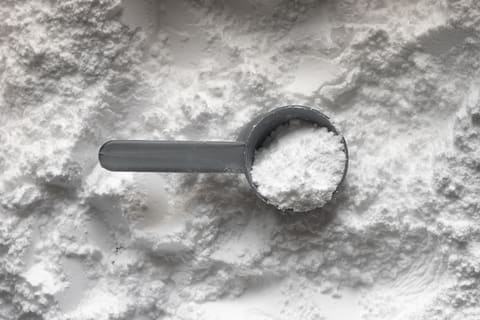
Dried whey is the liquid fraction left when milk is coagulated into cheese curd. After separation, processors pasteurize, concentrate, and spray-dry it into a pale powder used in sports nutrition, baking, infant formula, and packaged foods. The starting material is milk, which is Halal; the practical questions are which enzyme made the curd and what else was blended into the finished powder.
This page’s headline stays Halal if verified. That is deliberate. Industrial whey often inherits microbial or fermentation-produced coagulants from the parent cheese, but those industry patterns are not a Halal certificate for an unlabeled tub. Plain uncertified US/UK whey is therefore not treated here as already Halal.
How whey is made (and why rennet matters)
Cheese-makers add acid and/or rennet (chymosin) so casein proteins form a curd. The leftover whey still carries lactose, minerals, and whey proteins. Modern plants then use membranes and drying to make:
| Product | Typical profile | Halal focus |
|---|---|---|
| Sweet whey powder | Lower protein, more lactose | Enzyme history of the cheese |
| Whey protein concentrate (WPC) | ~35–80% protein | Same + any flavours |
| Whey protein isolate (WPI) | ≥90% protein | Same + any flavours |
U.S. identity standards describe whey protein concentrate as a dairy product obtained by removing water from whey (21 CFR § 184.1979a, retrieved 25 August 2026). Those rules confirm dairy origin; they do not certify Halal status and they do not name the coagulant.
Fermentation-produced chymosin is a documented processing aid for cheese and whey powder production in FDA GRAS correspondence (Chr. Hansen notice describing use in cheese and whey powder; retrieved 25 August 2026).[5] US identity rules also distinguish animal-derived rennet from fermentation-derived chymosin (21 CFR § 184.1685, retrieved 25 August 2026).[4]
A 2011 USDA AMS technical review cited culture-company estimates that about 70% of US cheese used FPC and about 25% used microbial coagulants.[6] Because commodity whey is a cheese byproduct, many industrial whey streams inherit those enzymes. That is dated cheese-industry evidence, not a guarantee for a named 2026 tub.
Enzyme rulings (same four-way split as rennet)
- Porcine enzymes in the cheese stream — Haram.
- Microbial / FPC / plant coagulants — generally permissible when processing aids are clean.
- Animal rennet from Halal-slaughtered animals — permissible.
- Non-porcine animal rennet from non-Halal slaughter — recognised juristic disagreement. SeekersGuidance (Hanafi) permits non-porcine animal rennet even without Islamic slaughter; the questioner asked about cheese and whey together.[9] Askimam 965 records Abu Hanifa versus Abu Yusuf and Muhammad and gives the permissive school ruling.[10] IslamQA 2841 reports the majority Maliki, Shafi'i, and Hanbali impurity view.[11] Name those positions; do not call one of them merely “strict.”
Certifier dairy standards may refuse conventional calf rennet for a marked product even where some Hanafi rulings permit the enzyme. HCC states that control point for dairy certification.[8] IFANCA’s Halal Consumer issue 63 profiles Milk Specialties Global as an IFANCA-registered whey-ingredient manufacturer with multiple plants—evidence that this certifier audits named whey supply when the mark is claimed, not that uncertified commodity whey was audited.[7]
Sports nutrition vs “whey” on a snack label
A pure unflavoured WPI tub is a different risk profile from a chocolate protein bar that lists whey plus gelatin, glycerin, or “natural flavours.” Always separate:
- The whey stream (dairy + enzymes)
- Co-ingredients in the same product
- Whether a Halal mark on that pack covers the enzyme chain
Lactose
Lactose is milk sugar. US food law describes it as the carbohydrate normally obtained from whey,[1] and a Hanafi answer from the Council of Ulama Eastern Cape lists lactose among whey's parts and puts whey under the same rule as the rennet used to make the cheese.[2] So lactose on a label raises the same question as whey: the rennet behind it, not pork. Those who accept uncertified whey accept lactose too; otherwise look for a Halal mark. Lactose-free products have had the lactose split or removed, which adds no new question.
Jurisdictions and everyday buying
- Halal-certified brands: Treat marked whey as Halal for that certificate’s scope—the mark is the audit, not a general directory listing.
- US / UK commodity tubs without a mark: Often produced from industrial cheese that used microbial or FPC enzymes (see the 2011 USDA AMS figures above). Status on this site remains Halal if verified until the enzyme route is stated. That does not mean the tub is already Halal.
- Farmhouse or imported speciality cheese whey: Ask about the rennet source, then apply the four-way split.
Realistic verification
- Read “whey,” “whey protein concentrate,” or “isolate,” then scan for gelatin and alcohol flavour carriers.
- Prefer Halal-certified sports brands when you train on whey daily and want an audited enzyme chain.
- Email the brand once if they only say “enzymes” with no source.
- Do not confuse whey with caseinates or hydrolyzed collagen—different ingredients, different checks.
- For the school split on animal rennet, use the rennet page rather than a one-word “strict” shortcut.
Where you'll find it
- Protein shakes and sports nutrition powders
- Protein bars and baked goods
- Infant and medical nutrition formulas
- Processed foods for protein enrichment and browning
Frequently asked questions
Is whey protein powder Halal?
Does animal rennet make whey Haram?
Is uncertified US or UK whey already Halal?
What is the difference between WPC, WPI, and whey powder?
Is lactose-free or hydrolyzed whey still Halal?
Can I assume bakery ‘whey’ is fine?
Scholarly view
Whey is the liquid left after milk proteins coagulate into curd. Milk and its derivatives are Halal when the animal is a lawful species; the live debate is the coagulant. SeekersGuidance’s Hanafi ruling permits non-porcine animal rennet even without Islamic slaughter and the questioner asked about cheese/whey together.
Askimam 965 records Abu Hanifa versus his two students and gives the permissive Hanafi school ruling, while IslamQA 2841 reports the majority Maliki/Shafi'i/Hanbali impurity view for non-Sharīʿah slaughter. Those are named positions, not a ‘mainstream versus strict’ ranking.
Certifier practice may refuse conventional calf rennet for a marked product; that is not universal fiqh. IFANCA’s Halal Consumer (issue 63) profiles Milk Specialties Global as an IFANCA-registered whey-ingredient manufacturer—evidence that this certifier audits named whey plants when the mark is claimed, not that every uncertified tub was audited.
Sources
Named Islamic, certifier, manufacturer, and regulatory sources used on this page. Inline markers like [1] jump here. Retrieval dates show when we last checked the live URL. Editorial methodology.
Islamic / scriptural
-
Council of Ulama Eastern Cape (Hanafi), via IslamQA.org Retrieved
Whey contains water, fat, protein, lactose, minerals and lactic acid; it comes under the same rule as rennet, as a by-product of cheese-making.
-
SeekersGuidance — Is rennet in cheese Halal or Haram to consume?
SeekersGuidance Retrieved
Hanafi ruling on animal versus microbial rennet; the questioner asked about cheese/whey together. Canonical page: https://seekersguidance.org/answers/hanafi-fiqh/is-rennet-in-cheese-halal-or-haram-to-consume/
-
Askimam 965 — rennet from slaughtered / carrion / porcine sources
Askimam Retrieved
Abu Hanifa versus his two students on non-zabiha lawful-animal rennet; porcine unlawful.
-
IslamQA 2841 — Is animal rennet Halal?
Islam Question & Answer Retrieved
Majority Maliki/Shafi'i/Hanbali impurity view for rennet from non-Sharīʿah slaughter, with the contrasting Hanafi view named.
Certifier / jurisdiction
-
IFANCA Halal Consumer 63 — Milk Specialties Global whey ingredients
IFANCA Retrieved
Names Milk Specialties Global as an IFANCA-registered whey-ingredient manufacturer with multiple plants. Directly applicable to certifier audit of named whey supply; not evidence that uncertified commodity whey was audited.
-
Halal Dairy & Cheese Certification — rennet control point
Halal Certification Center (HCC) Retrieved
Certifier dairy standard: microbial/plant rennet accepted; non-zabihah animal rennet not accepted for certification. Programme practice for the enzyme chain that produces cheese whey.
Regulatory / labelling
-
U.S. eCFR (FDA) Retrieved
Lactose is the carbohydrate normally obtained from whey.
-
21 CFR § 184.1979a — Whey protein concentrate
U.S. FDA (Cornell LII) Retrieved
US identity for whey protein concentrate as a dairy product. Confirms dairy origin; not a Halal certificate and not an enzyme-source disclosure.
-
21 CFR § 184.1685 — Rennet (animal-derived) and chymosin preparation (fermentation-derived)
U.S. FDA (eCFR) Retrieved
US identity for animal versus fermentation chymosin used in cheeses and milk products. Enzyme identity, not Halal status.
-
FDA GRAS letter — chymosin enzyme preparation for cheese and whey powder production
U.S. FDA Retrieved
Chr. Hansen GRAS notice describing fermentation chymosin for use in cheese and whey powder production. Directly applicable to whey-powder processing; not a Halal ruling.
-
USDA AMS — Enzymes, Animal (Technical Review, 2011)
U.S. Department of Agriculture, Agricultural Marketing Service Retrieved
Dated culture-company estimates for US cheese coagulants (~70% FPC, ~25% microbial). Relevant because commodity whey is a cheese byproduct; not a lot-level whey certificate.
Halal-conscious recipes
A substitution-led recipe that uses this analysis.
Browse this topic
Open the parent category hub for more foods in the same group.