
What decides the answer
-
Halal-certified chocolate
Halal -
Plain milk or dark chocolate without haram add-ins is Halal.
-
Check emulsifiers and natural flavors on unfamiliar brands.
-
Liquor centers, gelatin, or carmine decorations change the ruling.
Where you'll find it
- Candy bars and tablets
- Baking (cakes, cookies, brownies)
- Hot chocolate and chocolate milk
- Sauces, ganache, and frostings
- Coatings for confectionery
Why this ruling
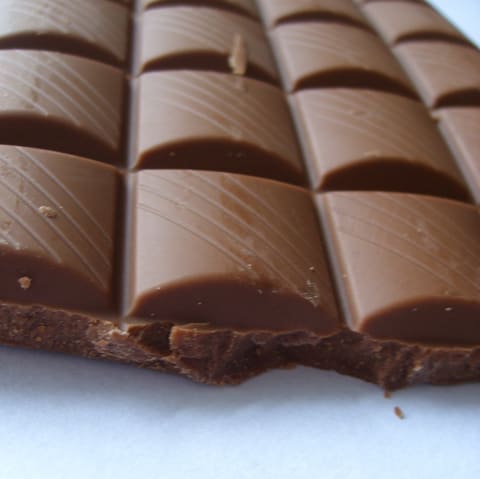
Chocolate is a food made from roasted cacao beans processed into cocoa mass, cocoa butter, and cocoa solids, then combined with sugar and often milk. From bean-to-bar tablets to industrial candy bars, the category is enormous—but the default Islamic ruling on plain chocolate is Halal. Product-level traps exist; they do not overturn the baseline.
Types and what they mean for Halal
Dark / sweet / semisweet chocolate — cocoa, cocoa butter, sugar; milk low or absent. Usually the simplest label.
Milk chocolate — adds milk solids and milkfat. Dairy is Halal; watch emulsifiers and fillings.
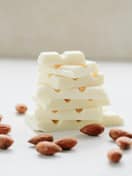
White chocolate — cocoa butter, sugar, milk; no cocoa solids. Still chocolate under many regulations; same additive logic.
Compound coatings — may replace cocoa butter with vegetable fats; Halal when fats and emulsifiers are plant-based.
"Chocolate liquor" on a US label is not alcohol: it is ground cocoa beans in liquid form, also called cocoa mass. Mufti Ebrahim Desai withdrew an earlier ruling that treated it as an alcoholic drink once this was pointed out, answering that it "will not be prohibited"; chocolate liqueur, by contrast, is an alcoholic drink.[5] U.S. FDA identity for milk chocolate requires minimum chocolate liquor, milkfat, and milk solids; see 21 CFR § 163.130 (retrieved 16 August 2026).[1] EU composition rules sit in Directive 2000/36/EC (retrieved 16 August 2026).[3] Neither standard mandates pork or beverage alcohol, and neither is a worldwide emulsifier census. Soy lecithin, when named, matches the GRAS lecithin identity at 21 CFR § 184.1400.[2] Your ingredient list still decides edge cases.
Checks that change a bar’s ruling
- Emulsifiers — soy lecithin (E322) is the common Halal-friendly choice. Animal mono-/diglycerides without disclosure require verification.
- Liquor and spirit flavours — champagne truffles, whiskey ganache, rum raisins. Deliberately added intoxicants in food remain a problem even when the cocoa is Halal (IslamQA 148690, retrieved 16 August 2026).[4] Cacao-bean fermentation for flavour is not that case.
- Gelatin — some filled chocolates, marshmallow centers, or glossy decorations.
- Carmine / cochineal (E120) — insect-derived red used in some coatings and fillings; many Muslims avoid.
- Cross-contact statements — “may contain” nuts or milk is allergy language, not a Halal species change.
Baking, drinks, and brands
Cocoa powder, baking chocolate, and chocolate chips follow the same rules as bars. Hot chocolate mixes can add marshmallows (gelatin risk) or hydrogenated fats—read the pouch. Global brands reformulate by country: a Halal-marked bar in Indonesia may differ from an unmarked European twin even under the same logo. Limited editions and seasonal shapes are where gelatin and carmine appear most often.
Savoury chocolate (mole, chili) is fine when the chocolate is clean; meat in the dish needs its own Halal status. Chocolate-covered coffee beans or fruit are usually Halal; chocolate-covered bacon is not.
Gift boxes and advent calendars multiply risk: one liquor truffle or gelatin-decorated piece can sit beside plain milk squares in the same tray. Read the assortment guide or buy sealed single-flavour bars when you need certainty. Children’s chocolate coins and foil shapes sometimes use carmine or confectioner’s glaze—check those novelty products even if your everyday tablet is clearly Halal. Industrial bakers may use compound coatings with palm fractions and unspecified emulsifiers; ask for the coating spec sheet if you run a Halal bakery or catering kitchen. Online “Dutch process cocoa is Haram” claims confuse alkalization chemistry with intoxicants—Dutch cocoa remains a cocoa product unless other Haram ingredients are added later.
Realistic verification
- Plain ingredient lists with soy lecithin → Halal.
- Reject liquor-filled and gelatin-decorated novelties unless verified.
- Investigate vague emulsifier wording or buy certified chocolate.
- Separate brand myths (“Western chocolate is Haram”) from label facts.
How to verify
- Read emulsifiers (soy lecithin is usually fine; animal mono/diglycerides need care).
- Avoid liquor-filled or gelatin-coated novelties unless verified.
Frequently asked questions
Is milk chocolate Halal?
Does chocolate contain alcohol from fermentation?
Is white chocolate Halal?
Are chocolate liqueurs or brandy truffles Halal?
Do I need a Halal logo on every chocolate bar?
Is chocolate liquor Halal?
Scholarly view
Cocoa products and dairy milk are Halal. Cacao fermentation is not beverage alcohol. Product-level checks—emulsifier source, ethanol-based flavours, liquor fillings, gelatin decorations, and carmine—can make a finished bar Haram or Halal if verified; they do not overturn the Halal baseline for plain milk and dark chocolate.
Sources
Named Islamic, certifier, manufacturer, and regulatory sources used on this page. Inline markers like [1] jump here. Retrieval dates show when we last checked the live URL. Editorial methodology.
Islamic / scriptural
-
IslamQA 148690 — alcohol in food
IslamQA Retrieved
Deliberately added intoxicants in food remain a plate-level problem. Applies to liquor-filled centres, not to cacao fermentation.
-
Askimam 593 — definition of alcohol; chocolate liquor
Askimam (Mufti Ebrahim Desai), via IslamQA.org Retrieved
The questioner points out that chocolate liquor is made by grinding cocoa beans into a liquid and contains no alcohol, unlike chocolate liqueur. Answer: 'Our ruling in chocolate liquor was based on the information we had. If your information on chocolate liquor is correct, then it will not be prohibited.'
Regulatory / labelling
-
21 CFR § 163.130 — milk chocolate identity
Cornell LII / U.S. Code of Federal Regulations Retrieved
Federal identity for milk chocolate—labelling identity, not a Halal certificate and not an emulsifier census.
-
U.S. FDA (via Cornell LII) Retrieved
GRAS lecithin identity (commonly soy). Supports the soy-lecithin check; unnamed animal mono-/diglycerides still need a label.
-
Directive 2000/36/EC — cocoa and chocolate products
European Union Retrieved
EU composition/labelling for chocolate. Does not require animal emulsifiers.
People also check
Related ingredients and products for this item.
Halal-conscious recipes
A substitution-led recipe that uses this analysis.
Browse this topic
Open the parent category hub for more foods in the same group.