Are Marshmallows Halal?
It depends on the gelatin.
Halal if verified
Medium confidence About this ruling
About this ruling
- Condition
- Verify the product or supplier in hand
- Evidence confidence
- Medium means the sources are named, but they do not pin the evidence to a specific market or SKU. Use this page as orientation, then read the pack in your hand.
Most commercial marshmallows use gelatin whose source (pork vs beef vs fish vs plant) is rarely clear on US/UK labels.
Evidence at a glance
Named sources used for this page. Open the full Sources block for notes and citation numbers.
| Source | Type | Retrieved |
|---|---|---|
| Qur'an 5:3 Qur'an | Islamic / scriptural | |
| U.S. FDA — Food U.S. FDA | Regulatory / labelling | |
| Portal Halal Malaysia (MYeHALAL) JAKIM | Certifier / jurisdiction | |
| IFANCA | Certifier / jurisdiction |
Why this ruling
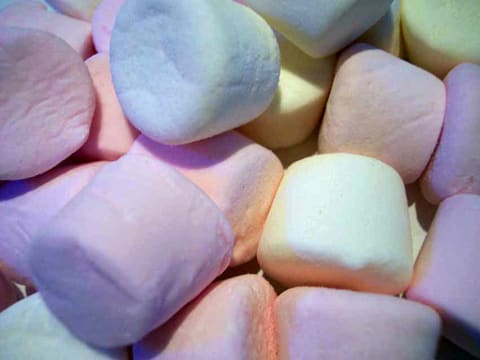
Marshmallows are soft sugar confections whipped with a gelling agent—today almost always gelatin—then moulded and dusted with starch. Classic camping s'mores, hot chocolate, and cereal treats depend on that springy texture. Historically, sap from the marshmallow plant (Althaea officinalis) was used; modern industrial marshmallows replaced the plant with gelatin. That swap is why Halal status is a gelatin-sourcing problem, not a sugar problem.
Why status is Halal if verified
A typical ingredient list reads sugar, corn syrup, gelatin, dextrose, flavour. Gelatin may be:
- Pork skin/bones → Haram
- Non-zabiha beef → unacceptable for Muslims who require Halal-slaughtered gelatin
- Halal-certified beef or fish gelatin → acceptable under those programs
- Replaced by agar, pectin, or starch in vegan lines → usually Halal
When the bag only says 'gelatin,' shoppers cannot see the species. This site therefore keeps unlabeled commercial marshmallows Halal if verified. Halal-marked or plant-based bags move to Halal for practical purposes.
U.S. ingredient labelling context is described by the FDA (fda.gov, retrieved 20 July 2026). Labels disclose 'gelatin' as a name; they often omit species. Halal confidence needs a certifier mark or a vegan formula—JAKIM's portal illustrates how certified lines are looked up in one major market (MYeHALAL, retrieved 20 July 2026).
Halal and vegan paths that work
- Halal-certified marshmallows — gelatin audited to the certifier's animal standard.
- Vegan marshmallows — plant gels; still scan for alcohol flavourings (rare but possible in novelty products).
- Homemade with Halal gelatin powder or agar — full control of the gelling agent.
Kosher marshmallows are a partial signal: they avoid pork gelatin in many cases but may use beef gelatin under kosher slaughter rules. Muslims differ on whether that meets their Halal standard—explicit Halal marks are clearer.
S'mores, cocoa, and cereal treats
The marshmallow is only one component:
- Chocolate — emulsifiers and milk chocolate rules (see brand/chocolate pages).
- Graham crackers — usually fine; check emulsifiers if you are strict.
- Butter in cereal treats — dairy butter is Halal; margarine blends need a read.
- Food-service bulk marshmallows — same unlabeled gelatin risk as retail bags.
Realistic verification
- Flip the bag: find gelatin source or Halal/vegan claim.
- Prefer certified products for kids' parties and camping staples.
- Re-check seasonal shapes (Peeps-style candies may add shellac or carmine).
- Do not assume restaurant hot chocolate toppers are Halal gelatin.
- When unlabeled, choose a known Halal brand rather than guessing.
Brands, bulk bins, and baking ingredients
National brands change formulas by country and by private-label contract. A Halal logo on a Gulf import is excellent for that sealed bag and useless for a clear bulk bin at a candy store where scoops mix products. Baking marshmallows, mini marshmallows, and marshmallow creme can each use different gelatin percentages or suppliers even under one brand family—read every SKU. For school events, bring a labelled Halal or vegan bag rather than relying on whatever the venue pantry opened.
If you only need the sweet toasted flavour, some recipes substitute Halal marshmallows or make agar-based foam. That is more work than grabbing the cheapest white bag, but it removes the mashbooh gelatin question entirely. For Muslims who already keep Halal gelatin powder at home for desserts, homemade marshmallows are a controlled alternative to mystery camping-store packs.
Where you'll find it
- Roasting for s'mores
- Hot chocolate toppings
- Rice cereal treats
- Baking and candy mixes
How to verify
1) Read the ingredient list for gelatin, beef gelatin, fish gelatin, or plant gelling agents. 2) Prefer Halal-certified marshmallows or clearly vegan/agar/pectin products. 3) If gelatin is listed with no source, treat as mashbooh/Halal if verified for strict practice. 4) Check cereal treats, hot-chocolate toppers, and filled cookies separately—other additives may appear. 5) Do not assume 'kosher' automatically solves Halal gelatin sourcing.
- Require Halal certification or plant/agar/pectin gelatin alternative.
- Unlabeled 'gelatin' → treat as Halal if verified for strict practice.
- Kosher ≠ automatic Halal for every consumer.
- Check fillings and coatings in treats separately.
Conditions for Halal
- Gelatin without a Halal source → Halal if verified / avoid for strict practice
- Halal-certified marshmallows → Halal
- Plant-based (agar/pectin/starch) marshmallows → Halal when other ingredients are
- Fish or certified beef gelatin can be Halal when properly sourced
Scholarly differences
The sugar-and-air confection is not the problem; the gelling protein usually is. Pork gelatin is Haram. Beef gelatin requires a Halal-slaughtered source for Muslims who require zabiha-derived gelatin. Plant gels avoid the slaughter question entirely. Kosher marshmallows may still use gelatin from animals slaughtered under kosher rules—some Muslims accept that, many prefer explicit Halal marks. This page stays Halal if verified because mainstream grocery bags rarely disclose gelatin origin.
Frequently asked questions
Why are marshmallows Halal if verified?
Are vegan marshmallows Halal?
Is gelatin always pork?
Are Jet-Puffed or supermarket brands Halal?
What about marshmallow fluff or cereal treats?
Sources
Named Islamic, certifier, manufacturer, and regulatory sources used on this page. Inline markers like [1] jump here. Retrieval dates show when we last checked the live URL. Editorial methodology.
Islamic / scriptural
-
Qur'an
Swine prohibition—frames why pork gelatin in marshmallows/gummies is Haram.
Retrieved:
Certifier / jurisdiction
-
Portal Halal Malaysia (MYeHALAL)
JAKIM
Lookup for Halal-certified gelatin confections when a mark is present.
Retrieved:
-
Certifier programs reject porcine gelatin for Halal-marked candy; plant gels or audited sources required.
Retrieved:
Regulatory / labelling
-
U.S. FDA
Ingredient labelling lists 'gelatin' as a name; species is often omitted—source verification still required.
Retrieved:
People also check
Related ingredients and products for this item.
Halal-conscious recipes
A substitution-led recipe that uses this analysis.
Browse this topic
Open the parent category hub for more foods in the same group.