
Is Pork Gelatin Halal?
No — this one is Haram.
Pork gelatin is Haram by consensus of all four Sunni schools of thought.
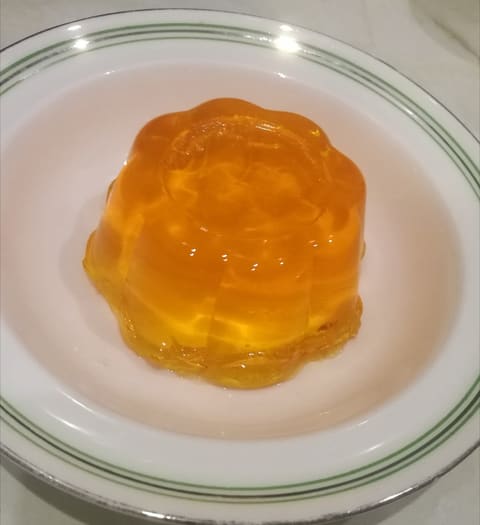
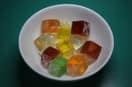
Photo: Ineffablebookkeeper · CC BY-SA 4.0
Why it is Haram
A minority of scholars have argued that gelatin production transforms pork collagen so completely (istihalah) that the final product is no longer 'pork'. The Islamic Fiqh Council, IFANCA, SANHA and the large majority of contemporary scholars reject this for gelatin, because collagen is extracted rather than chemically transformed into a new substance. In practice, no mainstream halal certifier accepts pork gelatin.
Quranic guidance
-
Surah Al-Ma'idah 5:3
"Forbidden to you are dead animals, blood, the flesh of swine, and that which has been dedicated to other than Allah."
-
Surah Al-Baqarah 2:173
"He has only forbidden to you dead animals, blood, the flesh of swine, and that which has been dedicated to other than Allah."
Where it shows up
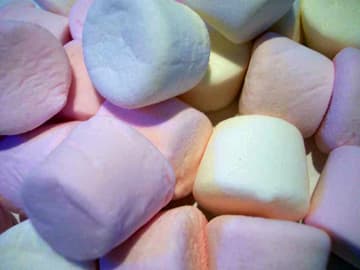
- Gummy candies, marshmallows, and licorice
- Gelatin desserts (Jell-O style)
- Yogurts, mousses, and whipped dairy desserts
- Pharmaceutical capsules and gummy vitamins
- Photographic film and cosmetics
Why this ruling
Pork gelatin is a protein extracted from the collagen in pig skin, bones, and connective tissue. The raw material is treated with acid (producing what the industry calls type A gelatin), then washed, filtered, and dried into the powder or sheets used across the food and pharmaceutical industries. Because pig skin is cheap and abundant, pork is the single largest source of gelatin worldwide - most industry estimates put it at 60-80% of production in Western markets.
The Islamic ruling is unambiguous. The Quran forbids the flesh of swine in four separate verses, and Islamic jurisprudence extends the prohibition to everything derived from the pig, including its skin, bones, and collagen. All four Sunni schools of thought (Hanafi, Maliki, Shafi'i, and Hanbali), as well as Shia jurisprudence, agree that gelatin extracted from pork is haram. This is one of the few food questions where there is essentially no meaningful scholarly disagreement.
The one debate worth knowing about is istihalah - the principle that a substance which undergoes complete chemical transformation can become pure. A small number of scholars have applied it to gelatin. However, the Islamic Fiqh Council and every major halal certification body (IFANCA, SANHA, JAKIM, HFA and others) reject this application, because gelatin production extracts and partially breaks down collagen rather than transforming it into a genuinely new substance. The practical consensus is therefore clear: pork gelatin remains haram.
The bigger challenge for consumers is that pork gelatin hides in plain sight. Labels rarely state the animal source - they simply say 'gelatin' or use the additive number E441. It appears in gummy candies, marshmallows, some yogurts and desserts, softgel and capsule shells, and gummy vitamins. When you see unspecified gelatin on a label in a Western market and the product carries no halal certificate, the safest assumption is that it is pork-derived. Certified halal beef gelatin, fish gelatin, and plant-based gelling agents such as agar-agar, pectin, and carrageenan are all widely available alternatives.
Where pork gelatin hides
Unnamed “gelatin” or E441 on Western gummies, marshmallows, yogurt gels, soft capsules, and frosted desserts is statistically often porcine in those markets. Explicit “pork gelatin” is uncommon on front labels—absence of a Halal mark or fish/beef source is the warning. Kosher marks are not a Halal shortcut.
Istihalah minority vs certifier practice
A minority transformation argument does not drive IFANCA, JAKIM, SANHA, MUI/BPJPH, or peer programmes: they reject pork gelatin. Consumers should follow certifier practice unless personally committed to a specific contrary fatwa—and even then, medicine under necessity (darurah) is a scholar-and-doctor conversation, not a candy loophole.
Clean swaps
Use fish gelatin, Halal-certified beef gelatin, or plant gels—agar-agar, pectin, carrageenan. For vitamins, request HPMC capsules.
For all three sources side by side, see is gelatin halal?
How to verify
- Choose products made with certified halal beef gelatin, fish gelatin, or plant-based gelling agents such as agar-agar, pectin, or carrageenan.
- For supplements, look for capsules marked 'V-caps' (cellulose/HPMC) or certified halal gelatin capsules.
Quick checks
- Pork gelatin is Haram; in Western sweets, treat unnamed gelatin as pork unless the pack says otherwise.
- Choose fish gelatin, Halal-certified beef gelatin, or plant gels such as agar, pectin and carrageenan.
- For capsules, ask for HPMC or vegetarian shells; a kosher mark alone is not a Halal mark.
Frequently asked questions
Is 'kosher gelatin' the same as halal?
Around how much of the world's gelatin comes from pork?
Does the istihalah (transformation) argument make pork gelatin halal?
What about pork gelatin in medicine capsules?
Is there gelatin without pork?
Which label names can hide pork gelatin?
Sources
Named Islamic, certifier, manufacturer, and regulatory sources used on this page. Inline markers like [1] jump here. Retrieval dates show when we last checked the live URL. Editorial methodology.
Islamic / scriptural
-
Retrieved
-
IslamQA 219137 — Is gelatin Halal?
IslamQA Retrieved
Pork-derived gelatin not permissible; Standing Committee / fiqh council framing rejects haram-source gelatin.
-
Qur’anic text Retrieved
Forbidden to you are dead animals, blood, the flesh of swine, and that which has been dedicated to other than Allah.
-
Qur’anic text Retrieved
He has only forbidden to you dead animals, blood, the flesh of swine, and that which has been dedicated to other than Allah.
Certifier / jurisdiction
-
Retrieved
Manufacturer / product
-
Morrisons (retailer listing) Retrieved
Ingredients: Beef Gelatine Powder (contains sulphites). No Halal claim.
-
Dr. Oetker Platinum Grade Leaf Gelatine
Ocado (retailer listing) Retrieved
Product name 'Pork Fine Leaf Gelatine Platinum Grade'; ingredients: Pork Gelatine.
Regulatory / labelling
-
FDA food additive / ingredients literacy
Retrieved
People also check
Related ingredients and products for this item.
Halal-conscious recipes
A substitution-led recipe that uses this analysis.