
Is Beef Gelatin Halal?
It depends on what the label says.
Beef gelatin is collagen from cattle skins and bones.
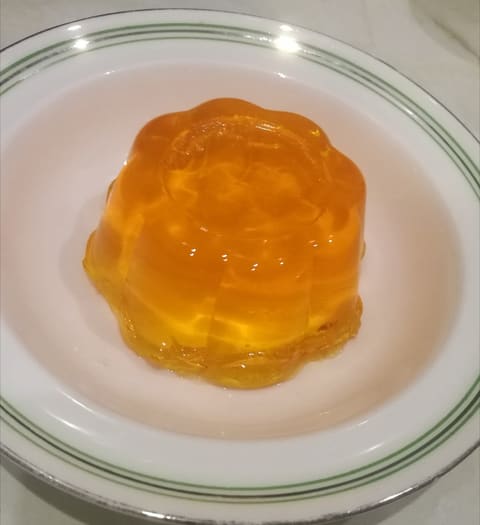
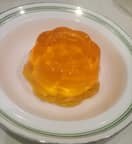
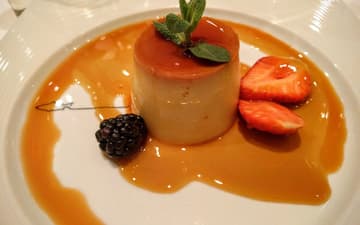
Photo: Ineffablebookkeeper · CC BY-SA 4.0
How to verify
- Do not trust the word ‘beef’ alone.
- Look for a recognised Halal mark that covers the gelatin source and plant.
- If uncertified, prefer fish gelatin, agar-agar, pectin, or carrageenan.
- For capsules, ask for HPMC (vegetarian) shells.
- See the main Gelatin page for the full source table.
What decides the answer
-
Halal-certified beef gelatin (audited slaughter + plant)
Halal -
Uncertified ‘beef gelatin’ from conventional slaughter
Halal if verified / avoid for practical Halal compliance -
Fish gelatin or plant gels
clearer alternatives when certification is missing
Why this ruling
Beef gelatin (bovine gelatin) is collagen extracted from cattle hides, bones, and connective tissue, then purified into the familiar gelling protein used in sweets, desserts, dairy, and capsule shells. On labels it may appear as “beef gelatin,” “bovine gelatin,” or simply sit inside the broader code E441—see the main Gelatin page for the full source table.
The ruling turns on slaughter, not the word “beef”
Cattle are a lawful species when properly slaughtered. Commodity Western slaughter is not automatically zabiha. A Halal certificate on beef gelatin covers two things:
- The cattle are slaughtered to the Halal standard they audit, and
- Processing is segregated from pork gelatin and other haram streams.
A front-of-pack “beef” claim without that audit answers the species question and fails the slaughter question. That is why this page’s status is Halal if verified because the ingredient source is not disclosed for the uncertified default—not because cows are haram.
Where scholars differ
Two named answers show the disagreement over gelatin from cattle that were not slaughtered Islamically:
- Mufti Ismail Moosa (Hanafi, Fatwaa.com): gelatin from the skin is permissible only if the cattle were slaughtered according to the Shari'ah; if they were not, only gelatin from the bones is permissible. On that basis he rules South African bovine gelatine, made from skins of cattle not slaughtered Islamically, not permissible, and Malaysian bovine gelatine from Islamically slaughtered cattle Halal.[1]
- IslamWeb (fatwa 275287, 2014): gelatin takes the ruling of its animal, but a forbidden substance that has been transformed into another substance becomes pure and lawful on the most valid view of the scholars.[2]
Gelatin from cattle slaughtered to a Halal standard is Halal on both views, which is why a Halal certificate settles the question and an unlabelled "beef gelatin" does not.
Beef gelatine in UK shops
In the UK the spelling is gelatine, and the best-known home-baking brand sells two kinds. Dr. Oetker's powdered gelatine sachets list "Beef Gelatine Powder", and the listing says the powder is beef gelatine.[6] Its Platinum Grade leaf gelatine is a different product: the ingredients are "Pork Gelatine".[7] So a recipe that calls for leaves, such as panna cotta or a terrine, can lead you to pork even if you buy from the same brand as before.
Neither listing makes a Halal claim. "Beef" settles the species of the sachets, not the slaughter. Darul Ifta Birmingham sets three conditions for gelatine: it must come from a lawful animal, slaughtered according to the Shari'ah, and not mixed with anything unlawful.[8] On that view the sachets are Halal only once you know how the cattle were slaughtered, so ask the maker or buy gelatine with a recognised Halal mark.
How beef gelatin compares
| Source | Practical Halal status |
|---|---|
| Pork gelatin | Haram |
| Beef, uncertified / conventional | Not accepted by mainstream certifier practice |
| Beef, Halal-certified | Halal |
| Fish / marine gelatin | Halal (mainstream; no zabiha) |
| Agar, pectin, carrageenan | Halal plant alternatives |
Jurisdiction habits. Muslim-majority markets more often sell Halal-marked bovine or fish gelatin sweets. North American gummies and marshmallows historically lean porcine when the label only says “gelatin.” EU packs may say “beef gelatin” without a Halal logo—still verify certification if you need zabiha assurance.
Istihalah. Some academic opinions explore transformation of impure gelatin into a new substance. Food Halal certifiers do not run beef-gelatin programmes on that theory; they require permissible sources. If you personally follow a transformation fatwa, know you are outside mainstream certification practice—detail lives on Gelatin.
Realistic verification
- Look for a recognised Halal logo that explicitly covers gelatin.
- Prefer fish gelatin or agar-agar when shopping uncertified markets.
- For vitamins and meds, request HPMC vegetarian capsules.
- Home cooks: use plant gels or certified bovine powder only.
Where beef gelatin shows up without saying “beef.” Yogurt “thickened with gelatin,” light ice cream, vitamin gummies, soft capsules, and some frostings may only say gelatin/E441. In those cases you have not even cleared the species step—see Gelatin. When a brand proudly prints “beef gelatin” on a Western marshmallow, treat that as progress on species and incomplete on slaughter unless a Halal body is named. Kosher “beef gelatin” can indicate non-pork sourcing under kosher rules; it is still not automatic Islamic zabiha certification.
Buying for home and pharmacy. Halal markets and online Halal ingredient shops sell certified bovine gelatin powder and sheets for desserts. Pharmacies increasingly stock HPMC or pullulan capsules—ask explicitly. If a doctor prescribes a gelatin capsule with no alternative and delay would harm you, that is a necessity conversation with a qualified scholar; everyday vitamins almost always have a vegetarian shell option.
Link to the parent page. This page covers beef gelatin in detail. Pork gelatin is always haram; fish gelatin is the usual animal-side escape hatch; plant gels avoid the issue. Use those companion pages when the label refuses to say “beef” at all.
Bottom line: beef gelatin is Halal only with Halal slaughter and clean processing—usually proven by certification. “Beef” on the label is a species hint, not a fatwa.
Where you'll find it
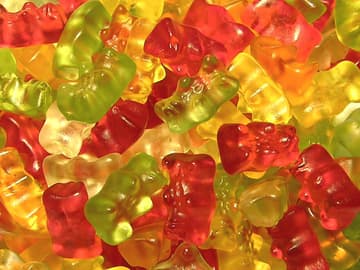
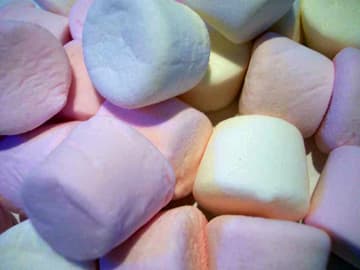
- Gummy sweets and marshmallows
- Jelly desserts, mousses, and cheesecakes
- Capsules, vitamins, and supplements
- Yogurt, ice cream, and confectionery
Frequently asked questions
Is beef gelatin automatically Halal?
Does the label ‘beef gelatin’ prove it is Halal?
How is beef gelatin different from pork gelatin?
Is fish gelatin a better default?
What about medicines with beef gelatin capsules?
Is beef gelatine Halal in Europe?
Is beef gelatine powder Halal?
Is beef gelatine vegetarian?
Is kosher beef gelatin Halal?
Scholarly view
The ruling turns on slaughter and on transformation (istihalah). Scholars differ: IslamWeb 275287 holds that gelatin takes its animal's ruling but that a forbidden substance fully transformed into another becomes lawful on the most valid view, while Mufti Ismail Moosa (Hanafi, Fatwaa.com) permits skin gelatin only from Islamically slaughtered cattle and bone gelatin otherwise.
Gelatin from certified Halal cattle is Halal on every view; that is why this page asks you to verify.
Sources
Named Islamic, certifier, manufacturer, and regulatory sources used on this page. Inline markers like [1] jump here. Retrieval dates show when we last checked the live URL. Editorial methodology.
Islamic / scriptural
-
Fatwaa.com, Mufti Ismail Moosa (via IslamQA.org) Retrieved
Hanafi. Gelatine from the skin of a Halal animal is permissible only if it was slaughtered according to Shari'ah; from an animal not so slaughtered, only gelatine from the bones is permissible. South African bovine gelatine, made from skin of cattle not slaughtered Islamically, is not permissible; Malaysian bovine gelatine from Islamically slaughtered cattle is Halal.
-
Ruling on gelatin from cows not slaughtered according to the Shari'ah (275287)
IslamWeb Retrieved
19 December 2014. Gelatin takes the ruling of its animal, but if a forbidden substance has been transformed into another substance it becomes pure and lawful according to the most valid view of the scholars.
-
Retrieved
-
Is hydrolyzed beef gelatine halal? (Fatwa 05538)
Darul Ifta Birmingham Retrieved
Gelatine and similar additives are halal if they come from a lawful animal, slaughtered according to the Shari'ah, and not mixed with anything unlawful; hydrolysed gelatine that fails these conditions is not halal. Citing The Fiqh of Food and Drinks (Ad-Duha, London 2009).
Certifier / jurisdiction
-
Retrieved
Manufacturer / product
-
Morrisons (retailer listing) Retrieved
Ingredients: Beef Gelatine Powder (contains sulphites). The listing says: 'Our powdered gelatine is beef gelatine, and we also offer Dr. Oetker Vege-gel, a vegetarian alternative.' No Halal claim.
-
Dr. Oetker Platinum Grade Leaf Gelatine
Ocado (retailer listing) Retrieved
Product name 'Pork Fine Leaf Gelatine Platinum Grade'; ingredients: Pork Gelatine. Four leaves set about 570 ml and equal about 12 g of powdered gelatine.
Regulatory / labelling
-
Retrieved
People also check
Related ingredients and products for this item.
Halal-conscious recipes
A substitution-led recipe that uses this analysis.
Browse this topic
Open the parent category hub for more foods in the same group.