
Is Gelatin Halal?
It depends on what the label says.
Gelatin (often nicknamed E441 in older/informal additive lists) is collagen protein from animal skins/bones.
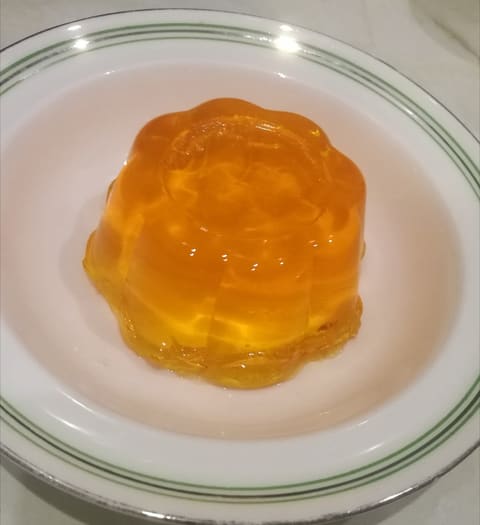
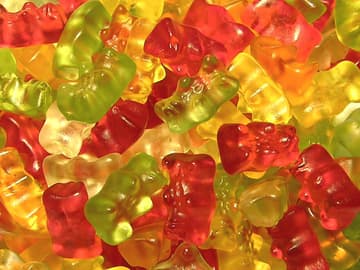
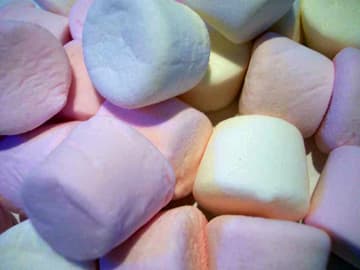
Photo: Ineffablebookkeeper · CC BY-SA 4.0
Additive identity
Possible source pathways
The finished molecule can be identical across feedstocks. The Halal ruling follows the pathway, not the code alone.
E441 Possible source pathways
- animal Halal if verified Typical Pork gelatin is haram. Beef gelatin is Halal only with zabiha slaughter. Fish gelatin is Halal under mainstream practice. Unlabeled gelatin is mashbooh.
How to verify
- Identify source words: pork, bovine/beef, fish/marine—or a Halal mark.
- Treat bare “gelatin”/E441 on North American candy as high-risk until species or a Halal mark is confirmed.
- Prefer fish gelatin, Halal-beef gelatin, or plant gels (agar, pectin, carrageenan).
- For medicines, ask for HPMC (vegetarian) capsules.
Quick checks
- Pork gelatin → Haram; unnamed E441 → Halal if verified.
- Fish / Halal-beef gelatin → Halal when verified.
- Plant gels avoid the animal-source question.
- Certifiers do not rely on istihalah for pork gelatin in food.
What decides the answer
-
Beef gelatin from Halal slaughter, audited
Halal -
Fish gelatin
Halal (mainstream view) -
Unspecified gelatin
doubtful until the source is disclosed; in North American sweets it is often pork -
Pork gelatin
Haram -
Beef gelatin from conventional slaughter
not Halal for certifiers
Why this ruling
Gelatin is Halal only when its source is: fish gelatin, or gelatin from cattle slaughtered to a Halal standard. Pork gelatin is Haram, and a label that just says "gelatin" or "gelatine" does not tell you which it is.
This page covers gelatin and its old E441 nickname. Under current EU law, gelatine is defined and controlled as a food of animal origin (Reg. (EC) No 853/2004, retrieved 2 August 2026), not as an authorised Annex II food additive with an official E-number in Reg. (EC) No 1333/2008 (retrieved 2 August 2026). Treat “E441” as an informal/legacy identifier still seen in some databases and older habits—not as proof of a current EU additive code on every pack.
Gelatin is collagen that has been hydrolysed into a gelling protein. Factories take skins, bones, and connective tissue—pig, cattle, or fish—and produce the familiar jelly agent used in gummies, marshmallows, yogurt, ice cream, and capsule shells.
Source distinctions (this is the whole ruling)
| Source | Status |
|---|---|
| Pork / porcine gelatin | Haram |
| Beef / bovine, conventional slaughter | Not Halal (certifier practice) |
| Beef / bovine, Halal-slaughtered + audited | Halal |
| Fish / marine gelatin only | Halal (mainstream) |
| Unspecified “gelatin” / E441 | Halal if verified — often pork in NA candy |
Jurisdiction and market habits. North American commodity gummies and marshmallows historically lean porcine because pigskin gelatin sets firmly and is cheap. EU packs may show E441 without species; “beef gelatin” without Halal marks still fails zabiha requirements. Muslim-majority markets more often sell Halal-marked or fish-gelatin sweets—buy those products when traveling or importing.
UK home baking: powder and leaves differ. Dr. Oetker's powdered gelatine sachets are beef gelatine, with no Halal claim on the listing.[10] Its Platinum Grade leaf gelatine is pork.[11] Check the pack each time rather than the brand; see beef gelatin for what the sachets still need.
Certifiers vs istihalah. Some academic opinions explore whether pork gelatin becomes a new substance through processing. Food Halal certifiers do not operate on that basis for E441: they require fish, plant, or Halal-beef pathways. If you personally follow a transformation fatwa, know that you are outside mainstream certification practice.
Realistic verification
- Read the ingredient line for species or “fish gelatin.”
- Trust a recognised Halal logo on that candy/capsule more than a front-of-pack “beef” claim.
- For medicines, request vegetarian (HPMC) capsules; many pharmacies can substitute.
- Use plant gels at home (agar, pectin) when you control the recipe.
See also Pork Gelatin, Beef Gelatin, and Fish Gelatin for source-specific detail. Unnamed gelatin is a question; named fish or Halal-beef gelatin is an answer.
Markets, labels, and everyday products
North American commodity gummies and marshmallows historically lean porcine (see e.g. Kraft Heinz Jell-O gelatin dessert ingredients, retrieved 2 August 2026); Muslim-majority markets more often sell Halal-marked or fish-gelatin sweets. “Beef gelatin” without a Halal logo still fails zabiha requirements under certifier practice. See also pork gelatin, beef gelatin, fish gelatin, and plant options like agar-agar.
EU hygiene rules define gelatine/collagen as animal-origin foods[6]; the Union additives regulation is the current E-number framework (gelatine is not listed there as E441)[7]. General labelling context: FDA.[4] Qur'anic prohibition of swine (5:3) frames why porcine collagen is rejected.[1] Halal programs such as JAKIM’s portal[2] and bodies such as IFANCA[3] audit gelatin sources in certified sweets and capsules.
Practical shopping script
Read the ingredient line for species. Trust a recognised Halal mark more than a vague “beef” claim. At pharmacies, request vegetarian HPMC shells. At home, agar or pectin sets most desserts without animal collagen. Unnamed gelatin is a question; named fish or Halal-beef gelatin is an answer.
The Ja'fari view
IMAM-US, following Sayyid Sistani, permits gelatin when it is non-animal, when it comes from an Islamically slaughtered animal, when its transformation during production can be proven, or when it is a necessary medicine with no alternative. It adds that doubt about the source would normally allow it, but that gelatin in Western foods is almost always of animal origin [9].
Where you'll find it
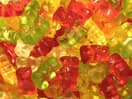
- Gummy candies and marshmallows
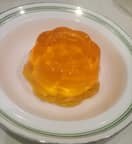
- Jellies, puddings, and desserts
- Yogurt and ice cream
- Pharmaceutical capsules
- Chewing gum and some frostings
- Clarification of some juices (and wine—avoid those uses)
Frequently asked questions
Is gelatin made from pork?
Is pork gelatin Halal?
Is fish gelatin Halal?
What about beef gelatin?
Is Jell-O Halal?
How can I check if gelatine is Halal?
What are Halal alternatives?
What do Shia (Ja'fari) authorities say about gelatin?
Scholarly view
A minority discusses istihalah (transformation) for pork gelatin; major Halal bodies (IFANCA, JAKIM, SANHA, MUI/BPJPH programs, HMC, and peers) reject that for food gelatin and require permissible sources. Fish gelatin is the usual compliant animal option because fish need no zabiha.
Beef gelatin requires audited Halal slaughter. This page’s Halal if verified default is for unnamed gelatin—not a claim that fish gelatin is doubtful.
Quranic guidance
-
Surah Al-Ma'idah 5:3
"Forbidden to you are dead animals, blood, the flesh of swine, and that which has been dedicated to other than Allah."
Sources
Named Islamic, certifier, manufacturer, and regulatory sources used on this page. Inline markers like [1] jump here. Retrieval dates show when we last checked the live URL. Editorial methodology.
Islamic / scriptural
-
-
IMAM-US: Can we eat food that has gelatin?
IMAM (Islamic Education Center, US), citing Sayyid Sistani Retrieved
Permissible if non-animal, from an Islamically slaughtered animal, if transformation (istihalah) is proven, or as necessary medicine; gelatin of doubtful origin is allowed in principle, but in Western food it is almost always animal.
Certifier / jurisdiction
-
Portal Halal Malaysia (MYeHALAL)
JAKIM Retrieved
Audits gelatin sources in certified sweets and capsules.
-
Islamic Food and Nutrition Council of America Retrieved
Mainstream certifier practice rejects pork gelatin for food; requires permissible sources.
-
Retrieved
Ingredient-class / E-number consumer guidance when named; homepage is not a product certificate.
Manufacturer / product
-
Kraft Heinz — Jell-O Zero Sugar Strawberry Gelatin ingredients
Kraft Heinz Retrieved
Named North American gelatin dessert product listing gelatin without Halal species claim.
-
Morrisons (retailer listing) Retrieved
Ingredients: Beef Gelatine Powder (contains sulphites). The listing says the powdered gelatine is beef gelatine. No Halal claim.
-
Dr. Oetker Platinum Grade Leaf Gelatine
Ocado (retailer listing) Retrieved
Product name 'Pork Fine Leaf Gelatine Platinum Grade'; ingredients: Pork Gelatine.
Regulatory / labelling
-
U.S. Food and Drug Administration Retrieved
-
EU Regulation (EC) No 853/2004 — gelatine and collagen definitions
European Union Retrieved
Defines gelatine/collagen as foods of animal origin (hygiene rules)—not as Annex II E-number additives.
-
EU Regulation (EC) No 1333/2008 — Union list of food additives
European Union Retrieved
Current Union additives framework; gelatine is not authorised/labelled as E441 on this list.
People also check
Related ingredients and products for this item.
Halal-conscious recipes
A substitution-led recipe that uses this analysis.
Browse this topic
Open the parent category hub for more foods in the same group.