
Is Carrageenan (E407) Halal?
Yes — this one is Halal.
Carrageenan (E407 / E407a, also called Irish moss extract or processed eucheuma seaweed) is a hydrocolloid from red seaweed—not animal gelatin.
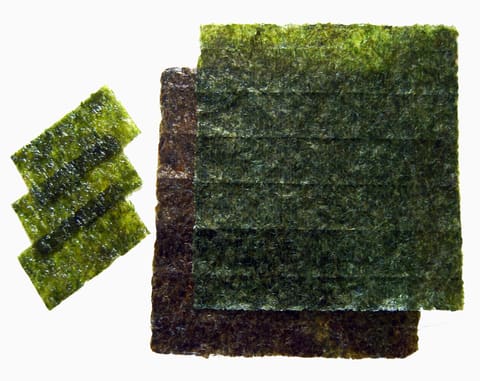
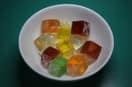
Photo: Alice Wiegand, (Lyzzy) · CC BY-SA 3.0
Additive identity
Possible source pathways
The finished molecule can be identical across feedstocks. The Halal ruling follows the pathway, not the code alone.
E407 Possible source pathways
- plant Halal Typical Red-seaweed hydrocolloid. Not animal gelatin.
What decides the answer
-
Food-grade carrageenan / E407 / E407a from seaweed — as an ingredient
Halal -
Finished foods: verify gelatin, enzymes, and flavours separately
-
Processed eucheuma seaweed (E407a): still seaweed-derived; Halal as an ingredient
Where you'll find it
- Chocolate milk and dairy drinks (suspends cocoa)
- Plant milks and non-dairy creamers
- Ice cream and desserts (stabiliser)
- Processed meats and deli slices
- Puddings, jellies, and sauces
Why this ruling
Yes—carrageenan (also Irish moss extract, EU E407 / E407a) is Halal as an ingredient because it is a red-seaweed gum, not animal gelatin. Keep reading the rest of the pack: the gum can be fine while gelatin, enzymes, or non-Zabiha meat in the same product are not.
Name map
| Name on label | What it is |
|---|---|
| Carrageenan | Seaweed polysaccharide thickener/stabiliser |
| E407 | EU code for carrageenan |
| E407a | Processed eucheuma seaweed (related seaweed gum) |
| Irish moss extract | Common/trade alias for carrageenan-type gum |
| Gelatin / E441 | Different substance—animal collagen |
Source distinctions that matter
| Ingredient | Typical source | Default Halal status |
|---|---|---|
| Carrageenan (E407) | Red seaweed | Halal |
| Processed eucheuma (E407a) | Eucheuma seaweed | Halal |
| Agar-agar (E406) | Seaweed | Halal |
| Gelatin (E441) | Pork, beef, or fish | Depends on species / slaughter |
Manufacturers extract carrageenan by washing and cooking seaweed, then filtering and precipitating the polysaccharide (often with alcohol or salt solutions), drying, and milling. U.S. FDA identity for carrageenan is in 21 CFR § 172.620.[1] EU additive authorization for E407/E407a sits under the Union list.[2]
Kappa, iota, and lambda grades differ in gel texture. Those functional grades do not change the seaweed origin for fiqh purposes.
Where it shows up
Carrageenan keeps cocoa suspended in chocolate milk, stabilizes plant milks, improves ice-cream melt, and binds water in some processed meats. A “carrageenan jelly” dessert can still include non-Halal flavours or gelatin in a different product—jurisdiction and full formula matter for the product, not for the definition of carrageenan.
Health controversies about “degraded carrageenan” are nutrition/toxicology debates. They do not convert seaweed polysaccharide into an animal product.
Alcohol processing aids
As with pectin and xanthan gum, alcohol may appear in the factory as a precipitating aid. The retail additive is not wine or beer. SANHA’s E407 guidance lists it Halaal as seaweed extract;[5] finished-product directories such as JAKIM remain market-specific.[4] Absolute avoiders of alcohol-contact processing should purchase certified powder.
Realistic verification
- Find carrageenan / E407 / E407a—not gelatin / E441.
- Confirm gelatin is absent if you need a gelatin-free food.
- For certified Halal drinks or meats, trust the certifier for the whole formula.
- Some deli meats use carrageenan as a water binder while the meat itself may not be Zabiha—keep those layers separate.
How to verify
- Confirm the label lists carrageenan, Irish moss extract, E407, or E407a—not gelatin/E441.
- Treat the additive as Halal by source; still read dairy drinks, meats, and desserts for other animal additives.
- For B2B, prefer Halal-certified carrageenan when precipitation aids must be audited.
Frequently asked questions
Is carrageenan Halal?
Is E407 the same as carrageenan?
Is carrageenan the same as gelatin?
Does alcohol precipitation make carrageenan Haram?
What about kappa, iota, and lambda carrageenan?
Scholarly view
Carrageenan is a sulfated polysaccharide from red algae (e.g. Kappaphycus, Eucheuma, Chondrus). SANHA’s E407 page lists Status Halaal / seaweed extract (ingredient-class; certification no longer active). Alcohol used to precipitate the gum is a processing-aid question parallel to other hydrocolloids: the sold powder is dried carrageenan, not a beverage. Health debates about degraded carrageenan are separate from fiqh source analysis.
Sources
Named Islamic, certifier, manufacturer, and regulatory sources used on this page. Inline markers like [1] jump here. Retrieval dates show when we last checked the live URL. Editorial methodology.
Certifier / jurisdiction
-
IFANCA Halal Product Directory
IFANCA Retrieved
Finished dairy drinks and plant milks that carry carrageenan under a Halal mark.
-
Portal Halal Malaysia (MYeHALAL)
JAKIM Retrieved
Finished-product directory checks when you need whole-formula assurance.
-
SANHA Retrieved
SANHA E-number consumer guidance: Status Halaal as ingredient class. Page states certification is no longer active / removed from public listings — not a current product certificate.
Regulatory / labelling
-
21 CFR § 172.620 — Carrageenan
U.S. FDA (via eCFR) Retrieved
GRAS/food-additive identity for carrageenan; not a Halal certificate.
-
People also check
Related ingredients and products for this item.