
Is Yogurt Halal?
Yes — this one is Halal.
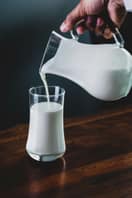
Plain yogurt is Halal—milk fermented with bacterial cultures.
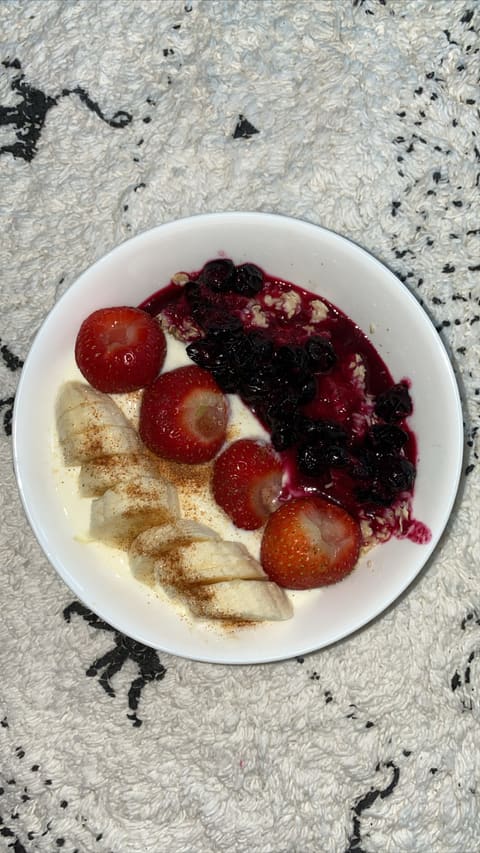
Photo: Jumbocombo0811 · CC BY-SA 4.0
What decides the answer
-
Plain, Greek, and traditional yogurts (milk + cultures)
Halal -
Halal-certified or explicitly gelatin-free brands
Halal -
Flavoured/light yogurts listing gelatin, uncertified — to non-Halal
Doubtful -
'Kosher gelatin' yogurts: not automatically Halal—verify or skip
-
Pink/strawberry yogurts: scan for carmine/E120
Where you'll find it
- Plain and Greek yogurt
- Flavoured cups and drinkable yogurts
- Frozen yogurt
- Laban, ayran, and dahi
- Yogurt in cooking and marinades
Why this ruling
Looking for yoghurt, Greek yogurt, laban, ayran, or dahi? Same page — spelling and regional names don’t change the plain-yogurt ruling (flavoured cups still need a gelatin/carmine check).
Yogurt is milk transformed by friendly bacteria—a food eaten across the Muslim world for millennia as laban, ayran, dahi, and mast, and about as traditionally Halal as dairy gets. Milk: Halal. Cultures: microorganisms, Halal (Lactobacillus never needed slaughtering). Plain yogurt, Greek yogurt, and traditional fermented milks pass without a second look.
The modern gelatin problem
The modern supermarket introduced yogurt’s one real problem: gelatin. Flavoured, “light,” and dessert cups are the usual carriers. A concrete US example: Yoplait Original Strawberry lists Kosher Gelatin (and Carmine) on the ingredient panel (retrieved 2 August 2026); Yoplait’s own FAQ states gelatin is used in some yogurts and names a few gelatin-free lines (retrieved 2 August 2026).
Species is usually undisclosed—treat listed gelatin as mashbooh unless Halal-certified or species-disclosed. “Kosher gelatin” on a cup is not Halal permission: Askimam treats kosher gelatine/collagen as distinct from Halal and still requires a lawful slaughter pathway for bovine sources (Askimam 124486, retrieved 2 August 2026). Operating rule: gelatin + no Halal certification = leave it. Plain and Greek styles from the same brands are often gelatin-free (thickness via straining). See gelatin and milk.
Label literacy: fda.gov (retrieved 20 July 2026). Colour checks for carmine: fda.gov (retrieved 20 July 2026).
Minor checks and reassurance
Minor checks: carmine (E120) occasionally pinks strawberry varieties; granola toppers and candy mix-ins bring their own ingredients; frozen yogurt inherits ice cream’s checklist. On the reassurance side: culture growth media is a deep supply-chain question certifiers may audit, but mainstream scholarship has never made it a consumer burden; standard cultures are Halal.
Brand loyalty strategy
Yogurt rewards brand loyalty: find your gelatin-free flavoured line or certified brand once, and breakfast stops requiring jurisprudence. Halal marks (reference: JAKIM MYeHALAL, retrieved 20 July 2026) help for flavoured multi-ingredient cups. And the traditional answer never failed—plain yogurt, a spoon of honey: two foods the fiqh books mention only to praise.
Cooking, marinades, and probiotics marketing
Plain yogurt is a Halal cook’s friend: marinades for chicken, raita, breakfast bowls, and baked desserts. Labneh strained at home needs only salt and time. Probiotic marketing and “gut health” claims do not change fiqh—they are nutrition advertising. Drinkable yogurts and kids’ tubes are the flavoured products most likely to hide gelatin and bright colours; buy those with the same scrutiny as candy.
Greek yogurt used as sour cream substitute stays Halal when plain; “ranch-style” yogurt dips can add animal flavourings or wine vinegar debates depending on brand. In restaurants, hanging yogurt sauces for kebabs are usually fine; sweet mango lassi drinks are fine unless a cocktail version adds spirits. If a label lists “kosher gelatin,” treat it as a prompt to switch brands rather than as permission.
How to verify
- Plain and Greek yogurt (milk + cultures) are Halal.
- Read flavoured/light cups for gelatin—skip uncertified gelatin.
- Do not treat 'kosher gelatin' as automatically Halal.
- Scan pink/strawberry cups for carmine/E120.
- Prefer Halal-certified or explicitly gelatin-free flavoured brands once, then repurchase.
Quick checks
- Plain/Greek first—usually gelatin-free.
- Flavoured/light: scan gelatin and carmine.
- Kosher gelatin ≠ Halal automatically.
- Lock a gelatin-free brand and stop re-litigating breakfast.
Frequently asked questions
Which yogurts contain gelatin?
Is 'kosher gelatin' in yogurt Halal?
Are yogurt cultures Halal?
Is frozen yogurt Halal?
Are laban, ayran, and kefir Halal?
Scholarly view
Milk and cultures are Halal—fermentation bacteria are microorganisms. The real-world issue is gelatin in some flavoured/low-fat cups (e.g. named Yoplait products). FDA labelling: fda.gov, retrieved 20 July 2026.
Sources
Named Islamic, certifier, manufacturer, and regulatory sources used on this page. Inline markers like [1] jump here. Retrieval dates show when we last checked the live URL. Editorial methodology.
Islamic / scriptural
-
Askimam — beef gelatine / collagen in supplements; kosher ≠ Halal
Askimam Retrieved
Requires zabiha for bovine gelatine/collagen; kosher certification is not automatically Halal.
Certifier / jurisdiction
-
Retrieved
Manufacturer / product
-
Yoplait Original Strawberry (8-count) — ingredients
Yoplait Retrieved
Lists Kosher Gelatin and Carmine on this US flavoured product.
-
Yoplait FAQ — Does Yoplait yogurt have gelatin?
Yoplait Retrieved
Brand admits gelatin in some yogurts; gelatin is KD kosher dairy certified; lists some gelatin-free lines.
Regulatory / labelling
-
Retrieved
-
Retrieved
People also check
Related ingredients and products for this item.


Halal-conscious recipes
A substitution-led recipe that uses this analysis.